

How to Choose a Rechargeable Flashlight Supplier for B2B Sourcing
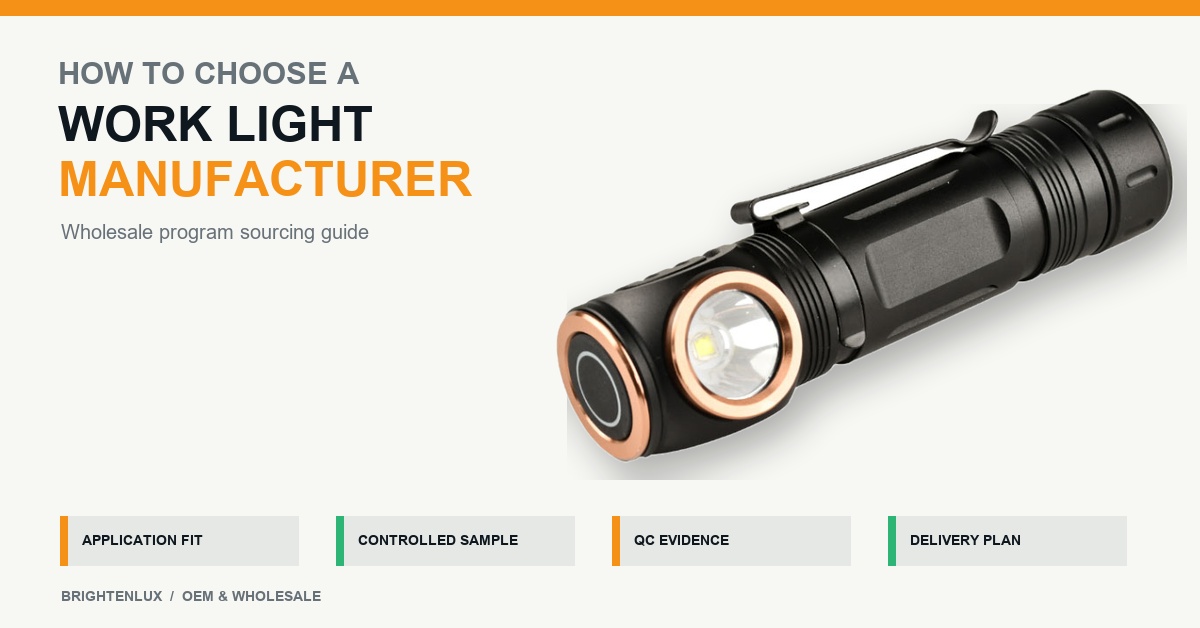
Choosing a rechargeable flashlight supplier is less about finding the flashiest product photo and more about avoiding complaints after the first use. Buyers in retail, promotions, kit assembly, and private-label resale need a flashlight that feels solid, works in real hands, and stays consistent from batch to batch. The sample product in this article is a compact handheld light with a black matte or lightly textured exterior and a directional white beam. That tells buyers something useful, but not everything. The real job is to verify how the product is built, charged, packed, and repeated across orders before it reaches your channel.
What buyers actually need from a rechargeable flashlight supplier
When sourcing this category, start with product consistency, battery and charging design, housing quality, and the supplier’s ability to keep the same construction over repeat orders. Flashlights are small, but they are judged in the field. A user camping, checking gear, or dealing with a power cut notices a weak switch, flicker, poor grip, or a beam that is hard to use. That is why a supplier should support a product that matches the intended use rather than overselling a claim that was never verified. For wholesale and private label buyers, the issue is not only whether the item looks suitable on a listing. It is whether the supplier can ship a dependable version again when the next order comes.
Why this product category is trickier than it looks
A handheld flashlight may look simple, but the buying risk sits in the details inside the tube. Is it rechargeable or a disposable-battery design? What charging method does it use? How stable is the beam? How does the finish hold up in a backpack, glove box, or tool kit? Those questions matter because flashlight complaints are rarely subtle. If a unit loses charge too quickly, gets hot, flickers, or feels flimsy, end users notice immediately. In consumer and outdoor channels, that can mean returns, bad reviews, and retailer complaints. In emergency use, the problem can be worse because the product may fail when it is needed most. That is why supplier conversations should move beyond appearance and into build logic.
What the sample product tells you about fit and use
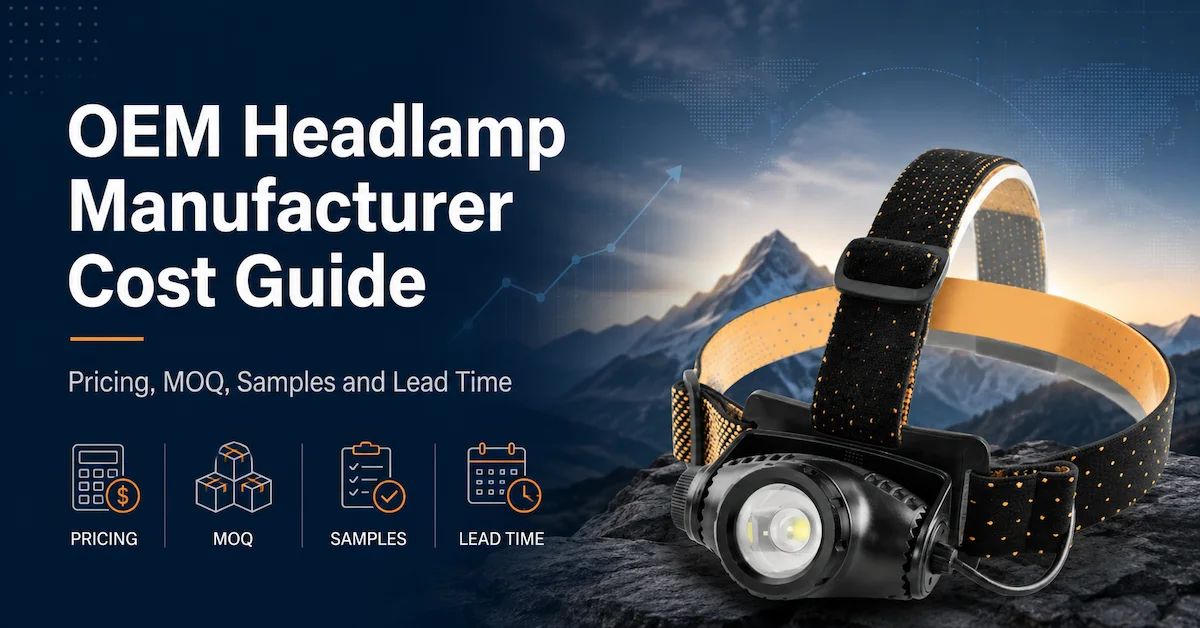
The sample product described is a compact black handheld flashlight with a focused white beam. That form factor is practical because it is easy to carry and simple to aim. It fits camping, hiking, backpacking, and emergency kits, where portability matters more than a large body or complicated controls. The matte or lightly textured exterior also suggests a grip-friendly surface, which can matter in cold or damp conditions. Still, the image alone does not confirm rechargeability. Procurement teams should treat the photo as a clue, not proof. Before using the word rechargeable in catalogs, listings, or packaging, confirm the electrical design and make sure the product description matches the actual build.
What to compare before placing an order
Before you place an order, compare the basics that affect real use rather than relying on polished listing language. The supplier should be able to explain the product structure clearly, even if exact measurements are still under discussion. A compact reference like the one below helps buyers keep the conversation practical and consistent.
| What to check | Why it matters |
|---|---|
| Light source | Shows how the beam is created and what the supplier is actually offering. |
| Battery configuration | Confirms whether the product is truly rechargeable and how it is powered. |
| Charging method | Helps you understand user convenience and after-sales questions. |
| Body and lens materials | Affects feel, handling, and how the product holds up in use. |
| Beam modes and packaging | Supports the right retail or bulk presentation for your channel. |
If a supplier cannot answer these points clearly, treat that as a warning sign. Even without final figures, they should be able to describe assembly, charging, and packaging in a straightforward way. For wholesale programs, packaging is not an afterthought. The same flashlight may need to work as a shelf item, a bulk carton item, or a kit component, and each format changes how buyers judge it.
How to evaluate a supplier beyond the price tag
A good supplier should understand channel fit, not just the unit itself. A promotional buyer, outdoor retailer, and industrial distributor do not want the same presentation from the same flashlight. If you are selling through retail, shelf appeal and carton design matter. If you are buying for field kits, repeatability and a stable product structure matter more. A supplier experienced in LED rechargeable flashlight wholesale should be able to adapt packaging and presentation without changing the core product in ways that create confusion. See the current range at products, send a project note through inquiry, or contact the team directly at contact us. Clear communication is often the best early sign that repeat orders will go smoothly.
How repeat orders reveal supplier quality
For private-label buyers, repeat orders matter as much as unit cost. A reliable rechargeable flashlight manufacturer should keep the same general construction, finish, and performance across batches. Quiet changes to the switch feel or lens assembly can create avoidable quality problems, especially when the product is already in market. If a supplier keeps changing the product every time the order size changes, the burden lands on your team, not theirs. This is why sample approvals and clear product notes are important. Buyers should also ask how the flashlight will be packed for repeated shipment, because even a good product can disappoint if handling or carton planning is poor. Stability in structure and communication is a stronger signal than a polished sales pitch.
Common mistakes buyers make when sourcing flashlights
The most common mistakes are easy to avoid once you know what to watch for. First, buyers chase the highest claimed brightness instead of the beam pattern and usability that end users actually need. Second, they mix up rechargeable and non-rechargeable products, even when the photos look nearly identical. Third, they ignore packaging and user instructions, which can lead to confusion and returns. Fourth, they fail to define the end use early enough. A camping flashlight, a glove-box emergency light, and a promotional giveaway item do not all need the same balance of portability, presentation, and practical handling. The best supplier conversations stay tied to the actual channel, not to a generic product pitch.
FAQ for sourcing teams
Is a rechargeable flashlight always better than a battery-powered one?
Not always. Rechargeable models are convenient and often better for frequent use, but the right choice depends on charging access, replacement expectations, and how the end user will actually carry and use the flashlight. For some programs, simplicity matters more than recharging convenience.
What matters most for outdoor buyers?
Portability, beam usefulness, battery practicality, and a housing that feels dependable in real conditions are the main points. Outdoor buyers usually care less about marketing language and more about whether the flashlight is easy to carry, easy to aim, and comfortable to use in the field.
Should I focus on appearance or function first?
Function should come first. Appearance still matters for retail presentation, but buyers do not keep products that fail in use. A flashlight that looks good on a page but feels weak, flickers, or confuses users will create more problems than it solves.
Can one supplier cover multiple flashlight channels?
Sometimes yes, especially if the supplier offers multiple formats and packaging options. The key is whether they can keep the product consistent while adapting presentation for retail, promotions, or kit assembly without changing the item in ways that create confusion.