

Home Emergency Flashlight: What Buyers Should Look For
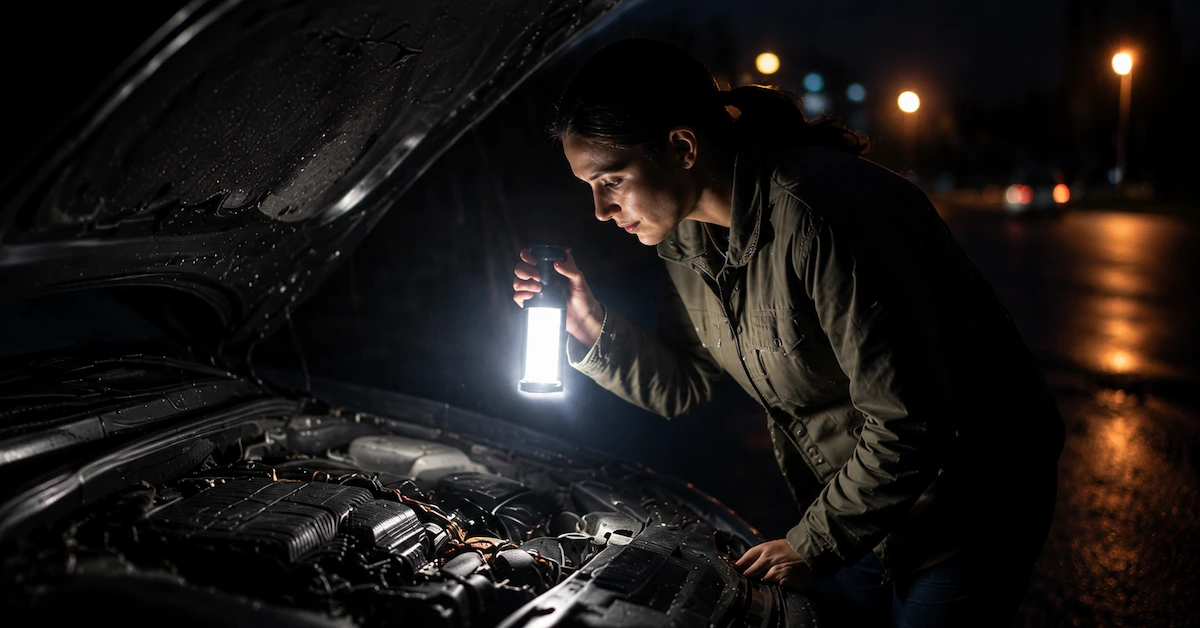
A home emergency flashlight is not only a product people reach for when the power fails. For sourcing teams, retail buyers, and product planners, it is a decision about real-use convenience, safety, and reliability under stress. The best choice is not always the brightest model on a page. It is the light that can stand securely, spread illumination comfortably, move easily from room to room, and support everyday backup needs without becoming awkward to use.
Why This Category Deserves Careful Evaluation
Emergency lighting is usually purchased before anyone urgently needs it, which makes buyer judgment important. A product may appear suitable in a catalog, yet disappoint when a room is dark, surfaces are crowded, and users need both hands free. That is why a home emergency flashlight should be assessed by situation, not by headline claims alone.
The product form shown in the source sits between a handheld flashlight and a portable lantern. It has a cylindrical body, a frosted diffuser, and a top carry or hanging loop. This matters because home outages rarely require only a narrow beam. Users often need a stable pool of light on a table, kitchen counter, bedside stand, or workbench. For buyers comparing LED backup options, Brightenlux product categories at Brightenlux products can help frame the range of portable lighting formats available.
What the Lantern-Style Form Suggests
The visible design suggests a practical consumer lighting tool rather than a tactical flashlight. Its dark matte or satin housing, translucent white diffuser, and upright shape point toward local area lighting. Exact internal specifications are not visible, so buyers should not assume battery type, charging method, output, runtime, waterproof level, or certifications without supplier confirmation.
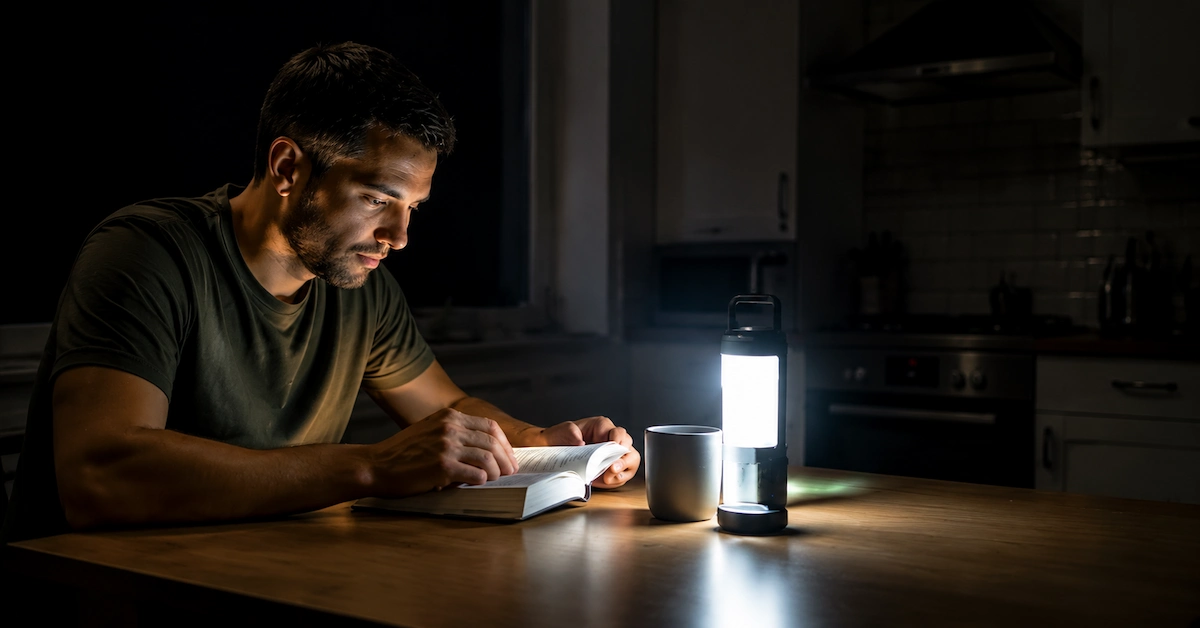
Even so, the form communicates useful information. A cylindrical body with a flat base can sit on common household surfaces such as nightstands, counters, windowsills, shelves, or the floor. The diffuser suggests softer illumination than a concentrated torch beam, which can be more comfortable for reading, preparing food, or moving through a room during an outage. The top loop also expands placement options. A light that can be carried, placed upright, or hung is easier to use in homes, garages, tents, and storage areas.
Core Selection Criteria for Buyers
Brightness is important, but it should not be the only buying filter. In emergency use, comfort and placement can matter just as much. A very intense light may look strong in marketing images but feel harsh in a small room. A more balanced lantern-style light can be more useful when several people share the same space.
| Criterion | What to Check |
|---|---|
| Light distribution | Look for broad, even illumination and reduced glare from the diffuser. |
| Stability | Confirm the base sits level and resists tipping during ordinary handling. |
| Carry and hang options | Check whether the top loop feels practical, secure, and easy to grip. |
| Portability | Balance compact size with usability for storage, transport, and tabletop use. |
| Housing quality | Review seams, cap alignment, diffuser fit, and overall assembly feel. |
For B2B orders, these visible and hands-on details often influence customer satisfaction more quickly than decorative finish or broad promotional wording.
Where a Home Emergency Flashlight Fits Best
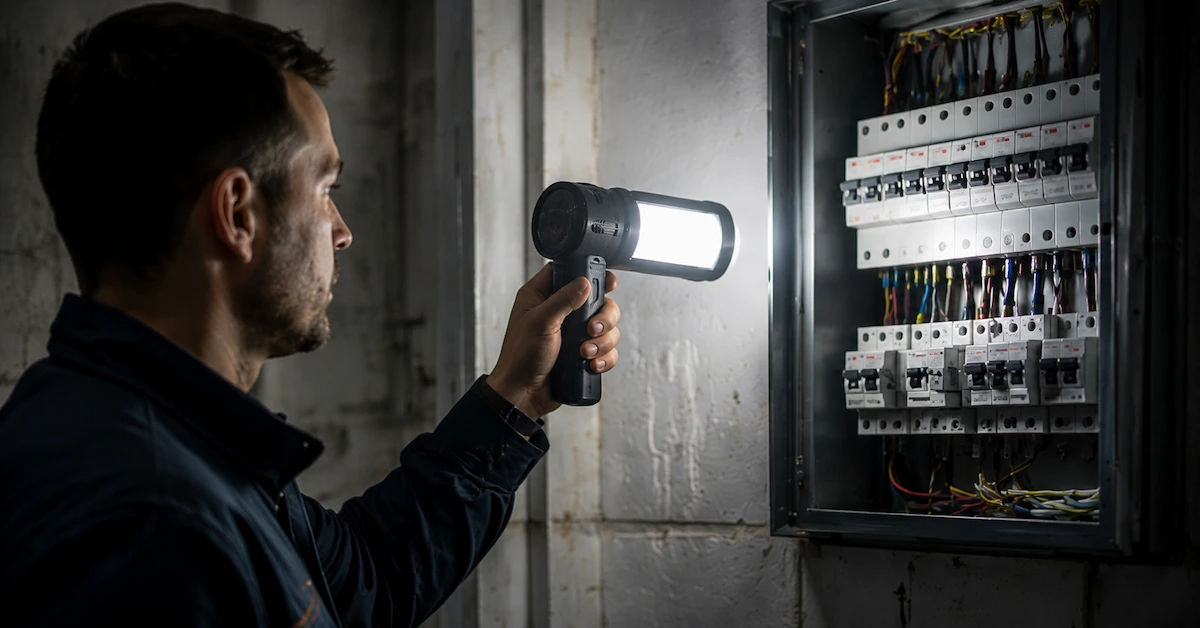
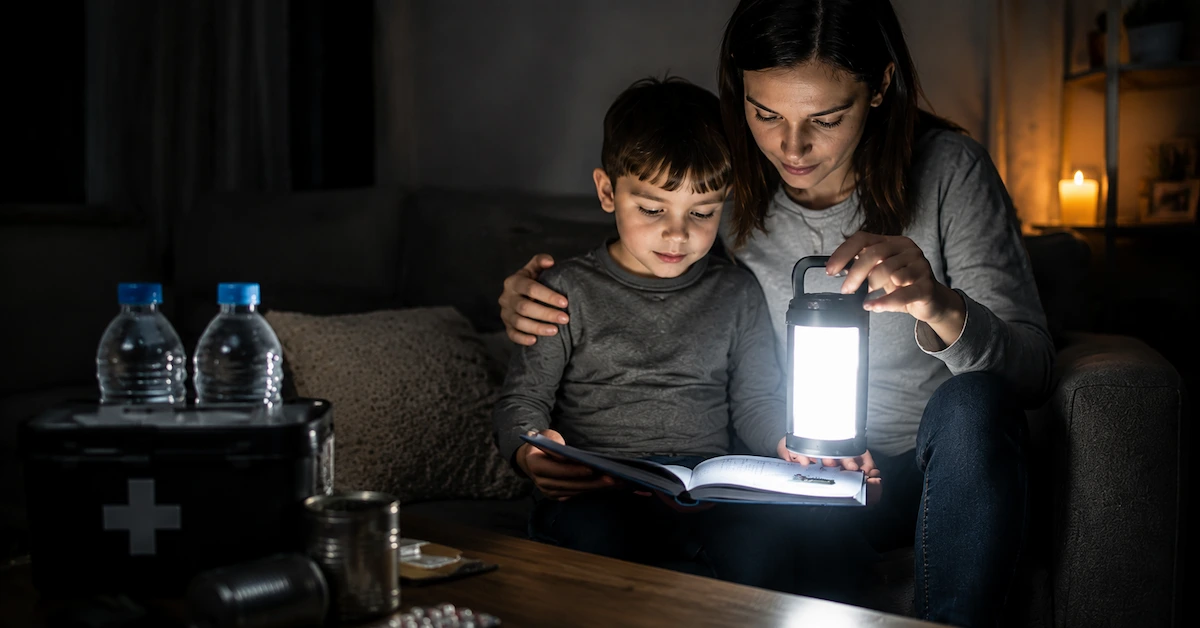
A lantern-style home emergency flashlight is especially useful for indoor outage support. It can illuminate a local area instead of forcing users to aim a beam constantly. That makes it easier to read, find supplies, check a breaker area, or keep a shared room calm and navigable during a power cut.
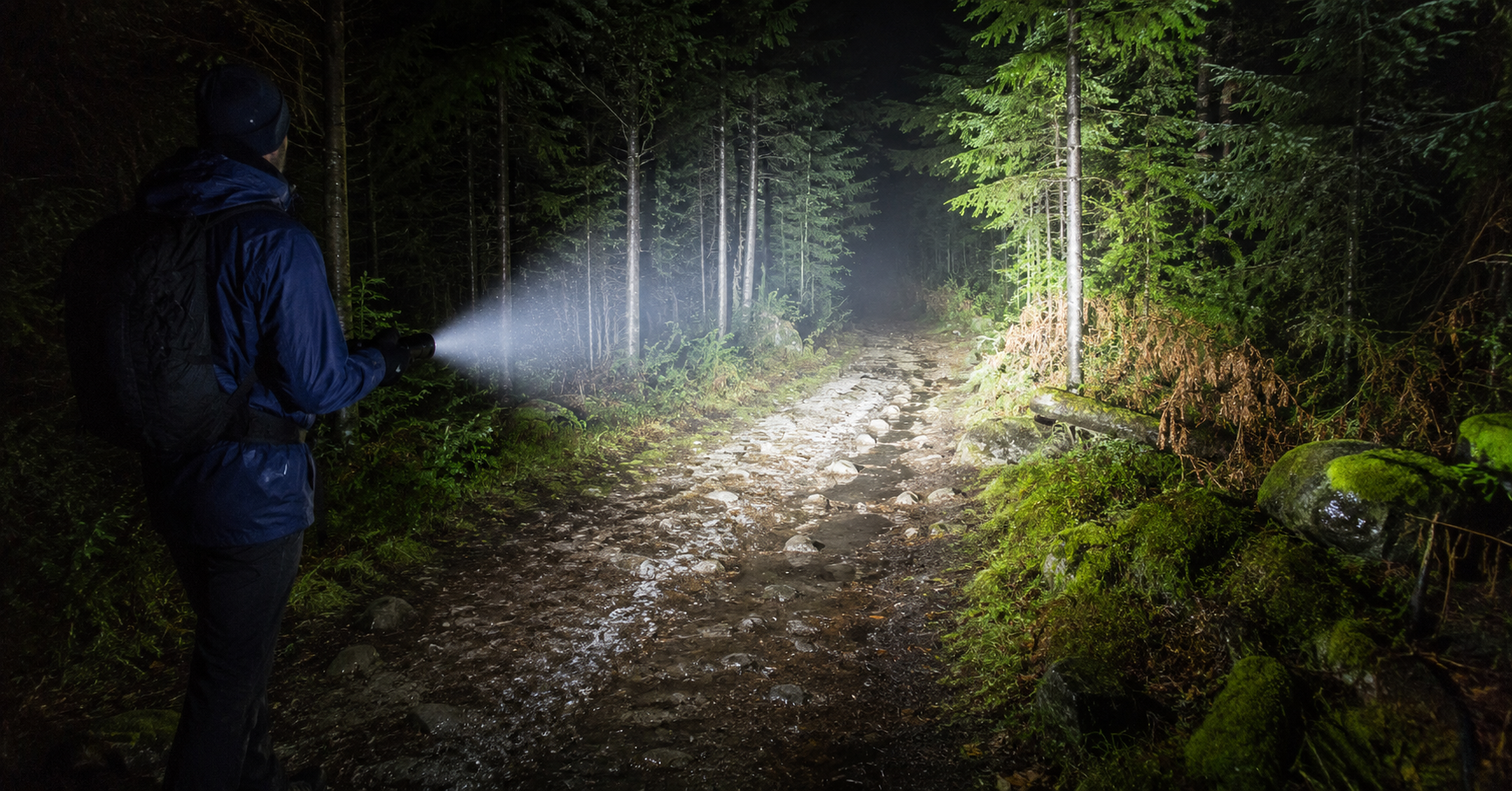
The same format can also serve as temporary bedside or tabletop lighting. In dorms, temporary housing, utility rooms, or spaces without convenient fixed lighting, an upright portable light can be helpful beyond emergencies. In garages and storage areas, diffused output can reduce harsh shadows during basic tasks. For camping and emergency flashlight use, the hanging loop is valuable in tents, shelters, and outdoor cooking areas. However, if buyers expect outdoor exposure, damp conditions, or detailed inspection tasks, they should confirm the relevant technical specifications before positioning the item for those uses.
Common Buying Mistakes to Avoid
One mistake is treating every emergency light as interchangeable. A slim desk-style lamp may look attractive, but if it cannot stand securely, hang conveniently, or survive repeated handling, it may not perform well during a blackout. Another mistake is overbuying brightness while underbuying usability. In a bedroom or kitchen at night, excessive intensity can be uncomfortable if the beam is not diffused.
Buyers should also avoid assuming that every emergency product must be waterproof. A waterproof emergency flashlight can be valuable for outdoor preparedness, damp basements, campsites, or utility spaces, but it is not automatically necessary for indoor home backup. The operating environment should guide the specification. If a light will mostly stay in a hallway closet, kitchen drawer, or bedside area, placement, charging convenience, storage behavior, and ease of handling may be more important. For project-specific questions, buyers can contact Brightenlux through contact us.
Manufacturing and Sourcing Questions to Ask
Based on visible geometry, this type of product likely uses injection-molded plastic parts for the body, base, cap, and diffuser, with an LED module assembled behind the translucent panel. That construction is common for consumer portable lighting because it supports manageable weight and clean product assembly. Still, the actual internal design must be verified with the supplier.
Sourcing teams should ask for details that are not visible from the product image: runtime, charging method, brightness settings if any, dimming behavior, battery indicator, and storage recommendations. If outdoor or waterproof claims are included, ask for clear documentation rather than loose wording. Also evaluate physical quality from samples. Does the diffuser seat cleanly? Is the handle fixed securely? Does the base wobble? Are seams aligned? These details shape perceived quality at retail and affect repeat customer confidence. To discuss specifications or order requirements, buyers can use the Brightenlux inquiry page.
How to Build a Stronger Product Shortlist
The best comparison process starts with user behavior. Will the light sit on a table during a blackout, move between rooms, hang in a tent, or support short tasks in a garage? A lantern-style emergency light is strongest when these use cases overlap. It is portable, easy to place, and visually suited to local area lighting.
For retail and distribution buyers, product presentation also matters. A lantern-style light can be shown standing upright, carried by hand, or hanging from its loop, making the use case easy for end customers to understand. When building a shortlist, compare the situation first and the numbers second. Request missing technical data, then review stability, light spread, handling, housing quality, and packaging suitability. A balanced product that matches real home behavior is more likely to satisfy customers than one selected only because it sounds brighter on paper.
FAQ
Is a lantern-style light better than a handheld flashlight for home emergencies?
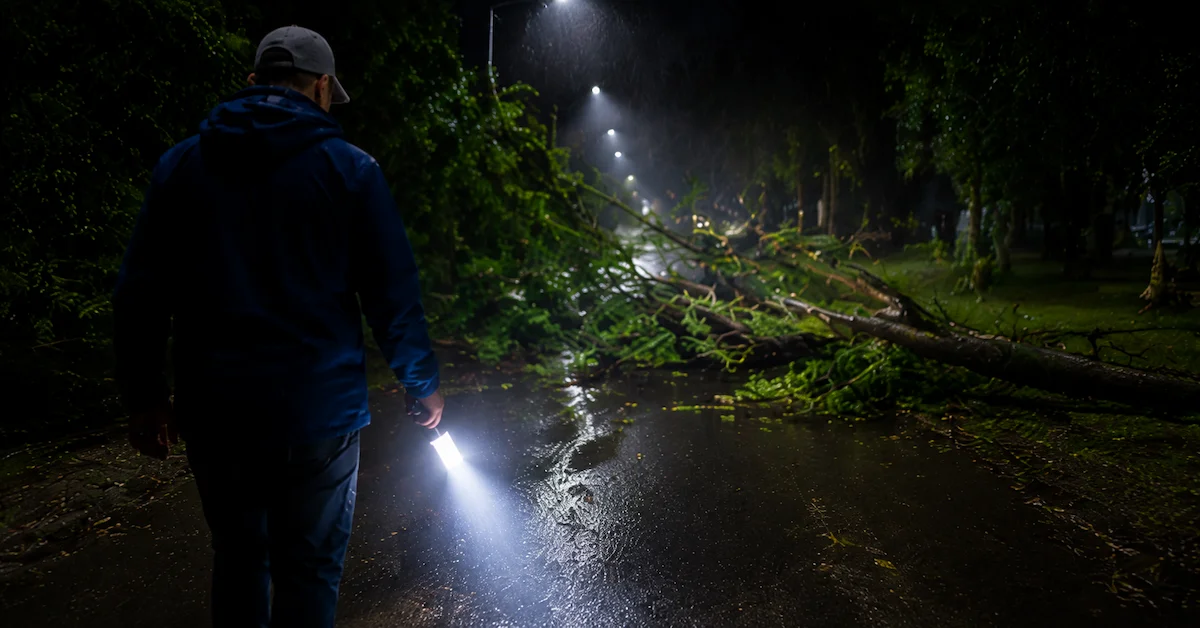
Often, yes. A lantern-style light spreads illumination across a local area, which is useful for reading, preparing food, finding supplies, or keeping a room usable during an outage. A handheld flashlight still has value for inspection, walking outside, or aiming light into a specific space.
Can one product serve both home and camping use?
It can, if the product is portable, stable, and easy to hang. The visible design suits crossover use because it can stand upright and includes a top loop. Camping may require higher expectations for moisture resistance and runtime, so buyers should verify those specifications before positioning it outdoors.
What should B2B buyers confirm before placing an order?
Buyers should request technical details that are not visible, including runtime, charging method, brightness modes, dimming behavior, and storage guidance. If waterproof or outdoor claims are made, ask for clear supporting information. Sample checks should also cover base stability, diffuser fit, handle strength, and housing assembly.
What is the most important design feature for indoor outage use?
The most practical feature is the combination of stable placement and comfortable light distribution. A secure base keeps the light usable on tables or counters, while a frosted diffuser helps reduce glare. A carry or hanging loop adds flexibility when surfaces are crowded or hands-free lighting is needed.