

High Lumen Flashlight Manufacturer: What Buyers Should Check
When buyers evaluate a high lumen flashlight manufacturer, the first question is rarely just brightness. The real question is whether the beam reaches far enough, stays usable, and fits the work your customers actually do. A compact handheld torch can look simple in a catalog and still fail in the field if the beam is scattered, the switch feels weak, or the body cannot handle routine use. If you are comparing options, start with the application, then review the product details, and only then look at the headline claims. You can also review current options at our products or send an inquiry for sourcing support.
Why beam quality matters more than the headline number
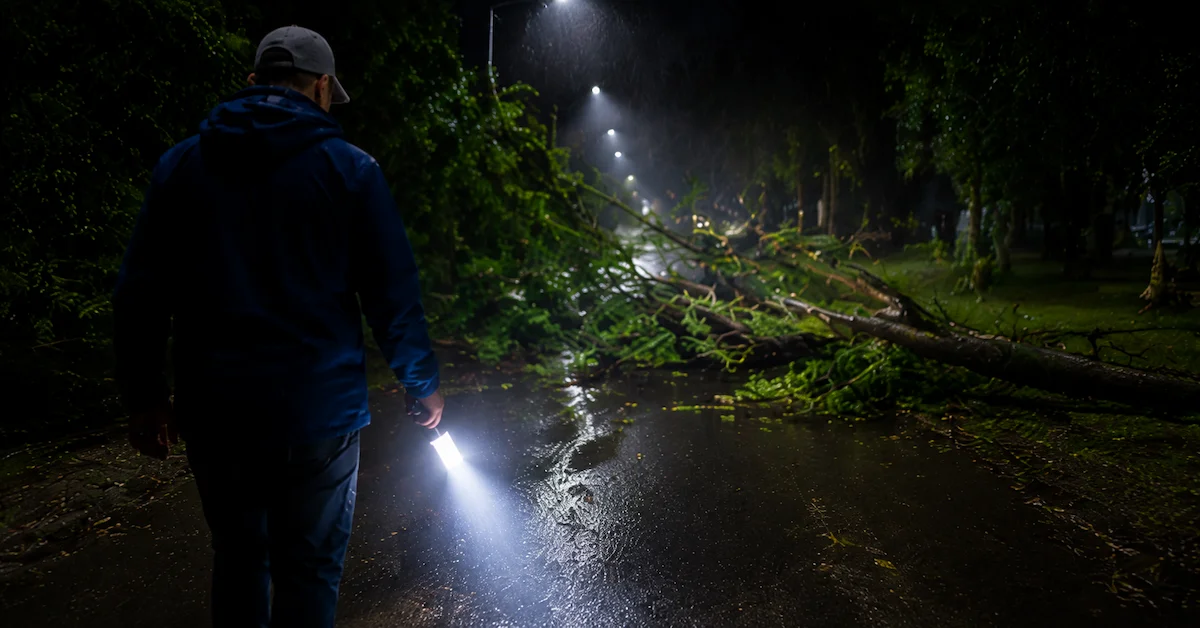
A flashlight used for outdoor movement, inspection, or search-and-see tasks needs more than a bright front end. What matters is how the beam behaves in real conditions. A narrow, focused white beam is useful because it sends light where the user aims it. On a trail, along a road edge, or across a campsite, that directionality often matters more than a wide flood of light. Buyers sometimes focus on brightness alone and overlook beam shape, but a beam that is too diffuse can feel impressive up close and still underperform at distance. The better sourcing question is whether the product gives the user confidence, visibility, and control in the dark.
What this flashlight category is built to do
The product here is a handheld torch with a cylindrical body, a dark finish, a front lens or emitter, and a compact form factor. It is designed for use at arm’s length in low-light or nighttime conditions. Its visible job is straightforward: project a strong, focused white beam over long distance. That makes it relevant for hiking, campsite scanning, mountaineering, route marking, and emergency support. These use cases share one requirement: directional light. A beam that helps someone identify the path ahead or scan a farther point is more valuable than soft light around the feet. That is why buyers should judge fit-for-purpose before they judge packaging or appearance.
Design checks that reveal real quality
A flashlight can look clean and still be weak in the details. For B2B buyers, the practical questions are usually inside the build, not on the outside. Check the beam pattern, the housing, the switch feel, and whether the product is clearly presented as rechargeable. If the supplier says the model is rechargeable, the battery system and charging method should be explained clearly. If the model is not rechargeable, that should also be obvious. Housing quality matters too, because a portable torch has to survive ordinary handling, transport in packs or drawers, and routine knocks during outdoor use. Consistency across units matters more than cosmetic polish.
| What to verify | Why it matters |
|---|---|
| Beam pattern | Shows whether the light is built for throw or spill |
| Battery and charging method | Confirms how the product is used and maintained |
| Housing and switch feel | Helps judge day-to-day durability and usability |
| Fit and finish | Signals whether units are assembled consistently |
Where this product fits in a B2B lineup
This type of handheld torch can work in several channels, including outdoor retail, emergency preparedness, general hardware, workplace safety, and travel accessories. It can also support OEM or private-label programs if the supplier can keep quality consistent across batches. Still, assortment planning should stay disciplined. A product aimed at hikers and campers should be positioned around beam reach and compact carry. A product aimed at maintenance teams may need different feature priorities. Not every bright torch belongs in every catalog slot. Buyers get better results when they match the product’s strengths to the customer’s real use case instead of trying to make one flashlight fit every channel.
Questions to ask a manufacturer before ordering
When you speak with a high lumen flashlight manufacturer, ask questions that separate a workable product from a risky one. Ask how the beam is shaped, whether the optics favor throw or spill, and what the product is designed to do in practice. Ask about the battery system and charging method if the model is rechargeable, and ask for clear language rather than general claims. Ask how the housing is built and how the unit handles routine transport and handling. Ask for beam pattern information, runtime details, and a plain explanation of the intended use case. If the answers stay vague, the sample should be treated as provisional, not final. For current sourcing discussions, you can also use the contact page.
Common mistakes buyers should avoid
One common mistake is treating lumen numbers as the whole story. Brightness alone does not guarantee useful beam throw. If the beam is too wide or uneven, the light may seem strong in a warehouse but fail where the customer actually needs it. Another mistake is overpromising the product’s role. A compact handheld torch may be strong for navigation and search tasks, but that does not make it a replacement for dedicated rescue lights or area lights. A third mistake is ignoring battery expectations. If charging is inconvenient or runtime is not what the customer expects, dissatisfaction follows quickly. Clear positioning prevents those problems.
How to evaluate samples in real conditions
When samples arrive, test them where the user would actually carry them. Try the light outdoors and look at beam reach against a distant wall, tree line, or open path. Check whether the torch is easy to hold one-handed and whether the switch is practical for the intended users. If your customers wear gloves or work in the cold, test for that too. Weight distribution and grip shape matter more than they seem to at first glance, because a bright light that feels awkward often gets left behind. The point of sample testing is not to admire the product. It is to confirm that the design, beam, and handling all work together in real use.
FAQ
Is a higher lumen flashlight always better?
Not necessarily. Brightness can help, but beam shape, throw distance, usability, and runtime matter just as much. A well-controlled beam often performs better than a purely brighter one when the user needs to see farther, scan a route, or work in a dark outdoor setting.
Should buyers prioritize rechargeable models?
Rechargeable designs are often expected, but they are not right for every channel. Some users prefer simple replacement batteries, while others want charging convenience. The right choice depends on how the flashlight will be used, stored, and maintained by the end customer.
What makes this handheld torch suitable for outdoor use?
Its strength is the combination of a compact body and a focused white beam. That makes it useful for trail finding, campsite scanning, emergency support, and other situations where direction matters more than broad area lighting. Buyers should still confirm the build and handling details.
What should I verify before placing an order?
Verify the beam pattern, battery system, charging method, housing quality, switch feel, and the product’s intended use case. If the supplier cannot explain those points clearly, it is safer to treat the unit as a sample for review rather than a finished purchasing decision.