

High Lumen Flashlight Manufacturer Guide for Patrol and Inspection Use
Choosing a high lumen flashlight manufacturer is not only about buying the brightest handheld light in a catalog. For patrol teams, facility managers, warehouse supervisors, and inspection crews, the real question is whether the light helps users see clearly, carry comfortably, and work with confidence in low-light environments. A compact black flashlight may look simple, but professional sourcing requires more careful judgment. This guide explains what B2B buyers should review before comparing samples, discussing customization, or placing a purchase order.
Why Professional Buyers Care About High-Output Handheld Lighting
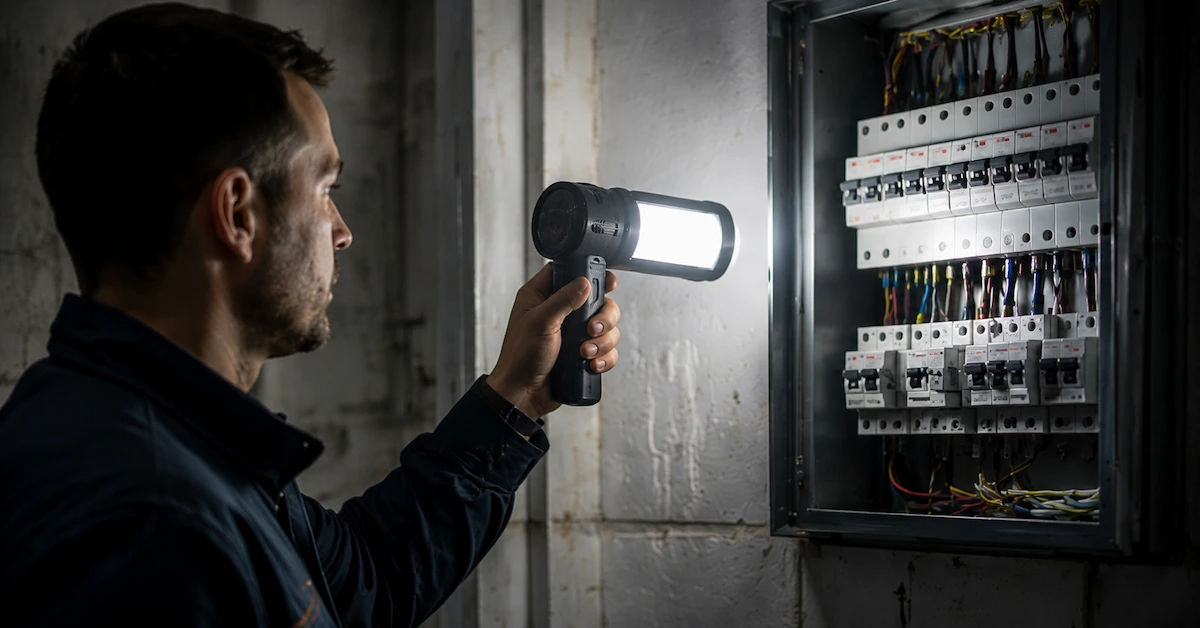
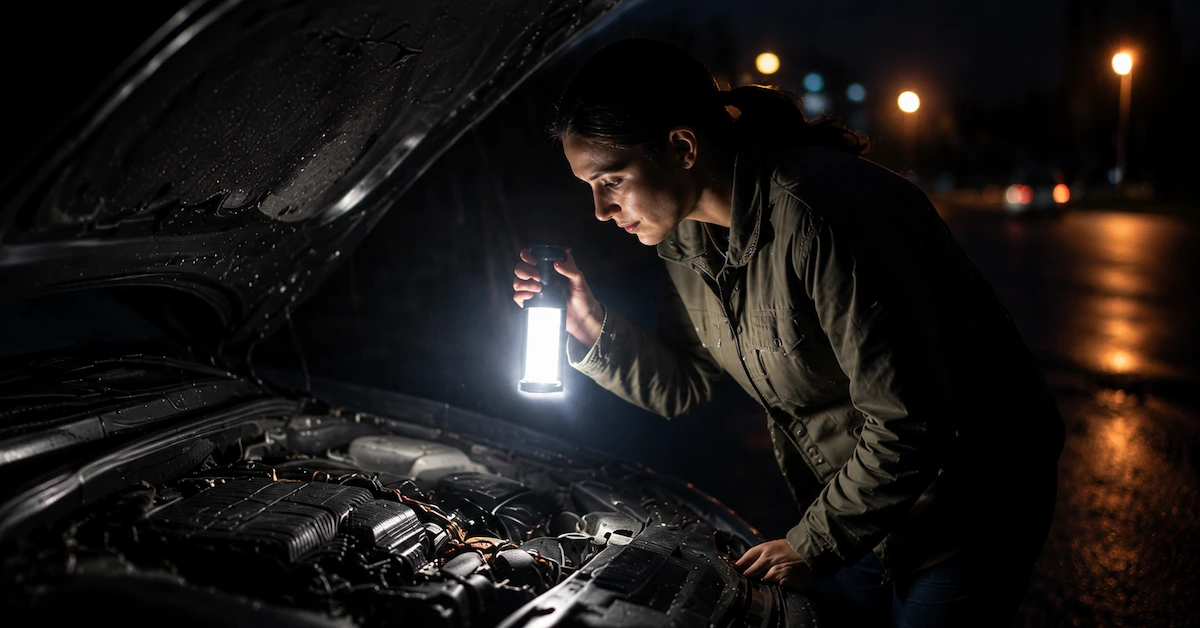
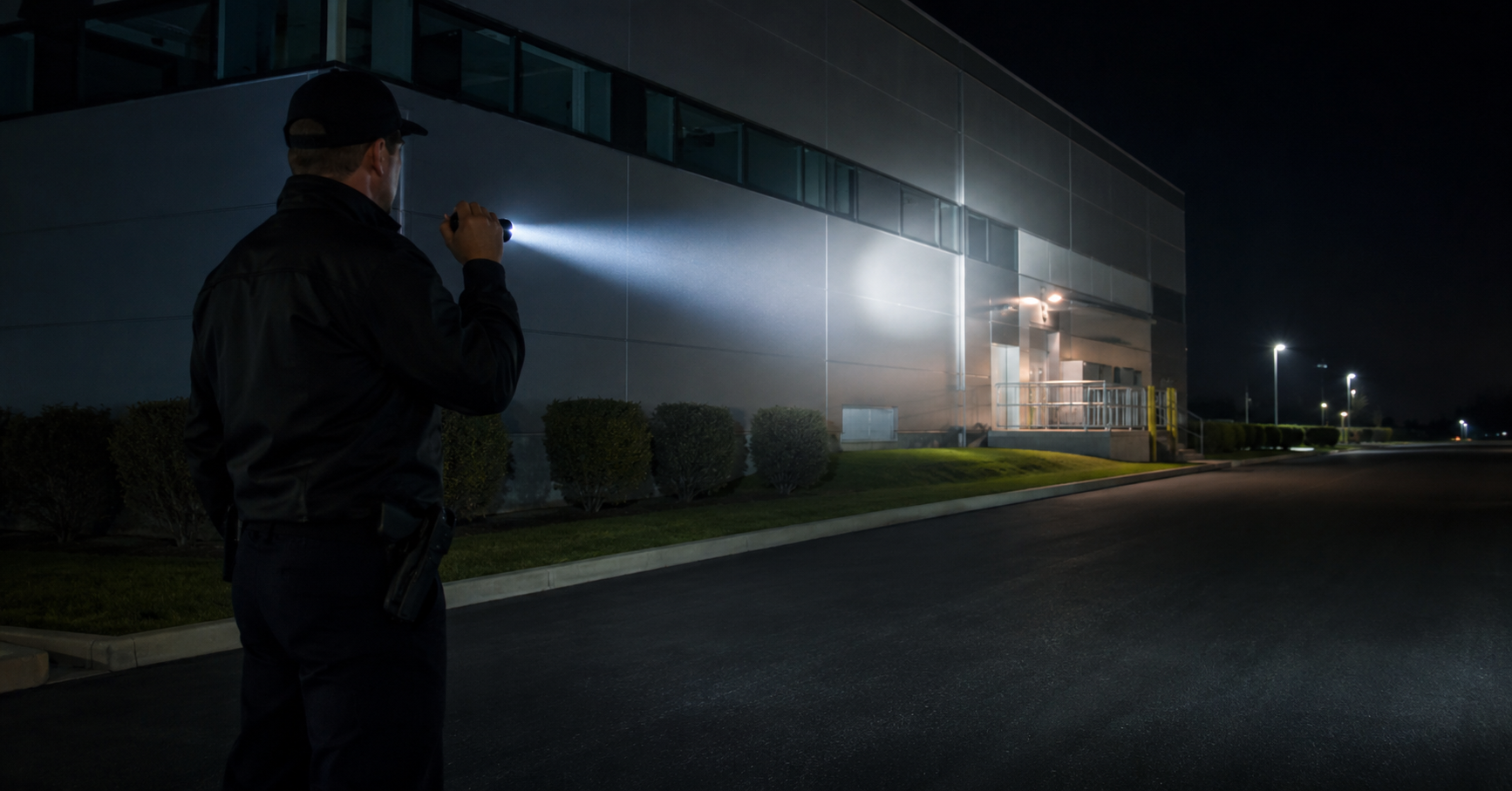
A high-output handheld light supports tasks where missing details can waste time or create risk. Security staff may need to scan the edge of a parking lot, follow a fence line, or identify movement near an access point. Maintenance teams may need to inspect valves, signage, equipment areas, or mechanical rooms after dark. In these moments, the flashlight must reveal enough detail without becoming awkward to use.
The visible use case is familiar: a compact inspection or patrol light carried in one hand through a shift. It needs a useful beam, practical control, and a body that does not feel like dead weight. If the light is too weak, users re-check shadows. If it is bright but uncontrolled, close-range work can become uncomfortable. That balance is where a capable flashlight product range matters.
What “High Lumen” Means in Real Field Use
The phrase “high lumen” is common in flashlight marketing, but a bigger number does not automatically mean a better professional tool. Lumens describe total light output, not the full user experience. A patrol worker looking down a driveway needs reach and usable spill. A maintenance technician checking labels in a dim corridor needs even light at a shorter distance. Two flashlights can be described with similar brightness language and still feel very different in the hand.
For B2B procurement, the practical questions are straightforward. What is the beam shape? How long does the light remain useful before output drops? Is the switch easy to find with gloves? Does the body feel secure during one-handed operation? Can it tolerate routine knocks from daily carry? These questions turn a headline brightness claim into a real working specification.
Typical Applications for Patrol and Inspection Flashlights
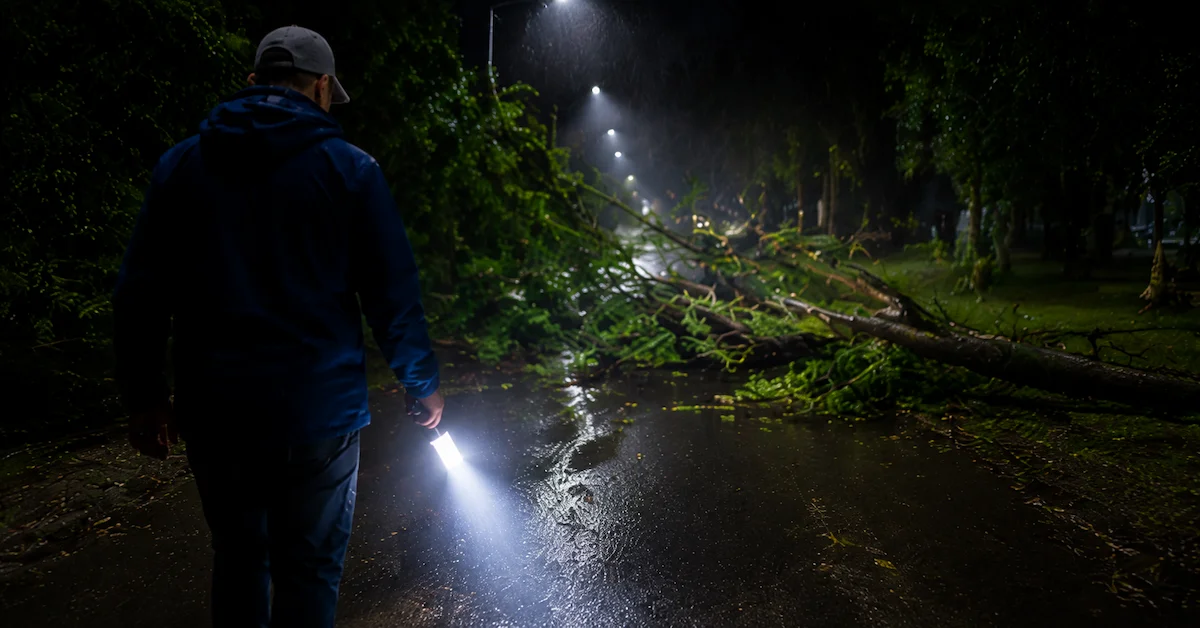
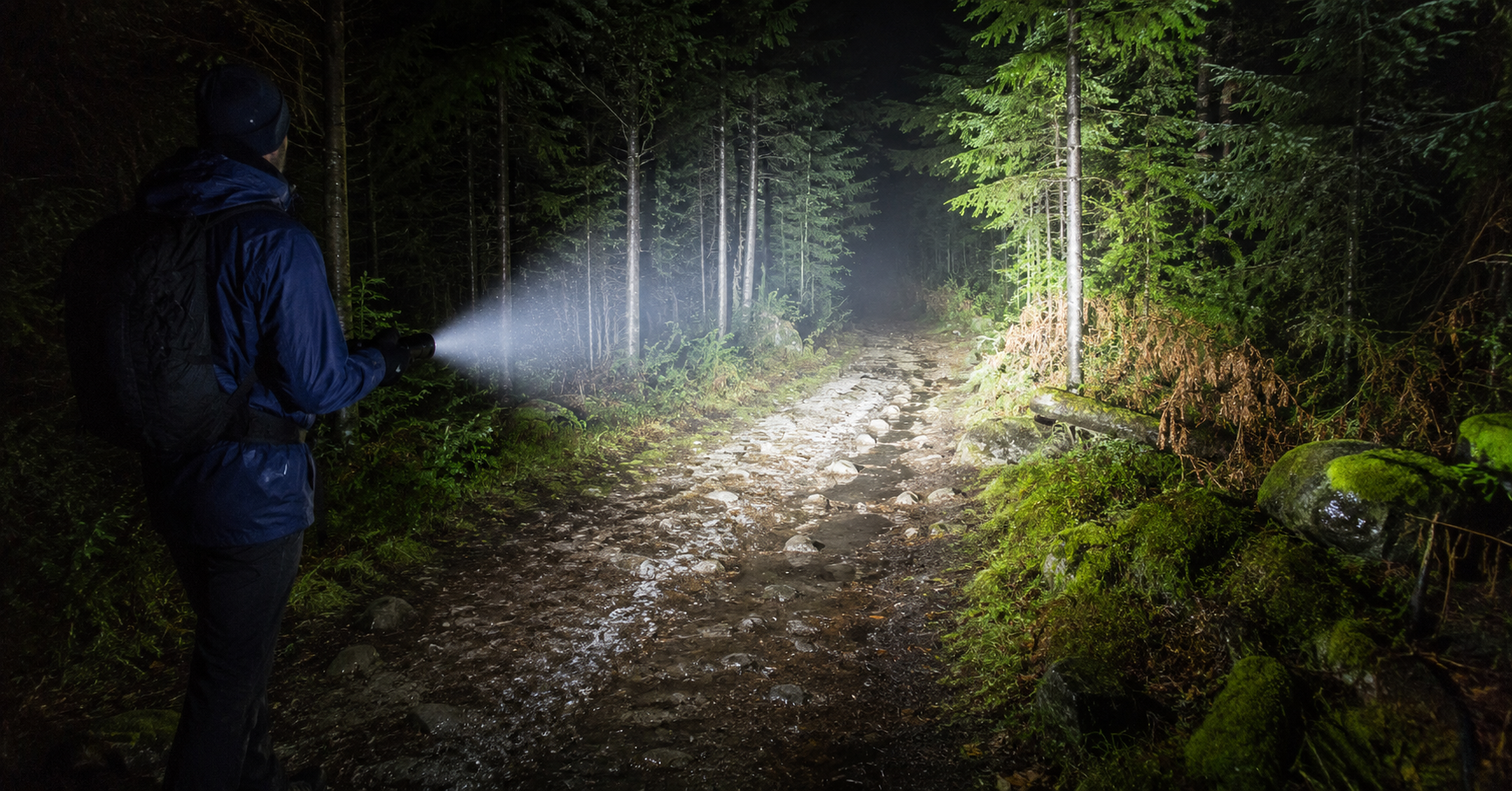
Compact handheld flashlights appear in many commercial and operational settings. Security patrol teams use them for perimeter checks, gate inspection, vehicle-area review, and quick identification of unusual movement or surface defects. Warehouse staff may use them for aisle scans, dock checks, or looking under pallets and behind equipment. Industrial and property maintenance teams use similar lights for access points, exterior structures, signage, and service areas after dark.
A common pattern connects these jobs: the light is often needed for short bursts of attention rather than continuous area lighting. That changes the buying priority. Buyers should look for controlled beam behavior, easy grip, dependable power management, and straightforward handling. When a flashlight is used for routine patrol work, small usability details often matter more than a sourcing sheet suggests.
| Use Case | What Buyers Should Review |
|---|---|
| Security patrol | Reach, spill, switch access, and carry comfort |
| Warehouse checks | Close-range visibility, grip, and practical handling |
| Facility maintenance | Beam control, body design, and regular-use durability |
| Outdoor inspection | Usable distance, orientation, and consistent operation |
Key Questions to Ask a High Lumen Flashlight Manufacturer
When speaking with a high lumen flashlight manufacturer, buyers should move beyond broad claims and ask how the product performs in actual work. A professional bright flashlight supplier should be able to discuss beam characteristics, output modes, handling, durability expectations, and intended duty cycle without relying only on promotional language. Clear answers help buyers understand whether a sample is suitable for a full team order.
Beam performance
For patrol and inspection work, the beam should reach far enough to identify objects while spreading enough to keep the user oriented. A very narrow beam may help outdoors, but if it becomes tunnel-like, the operator can lose context around the target area. For general security work, a balanced beam is often more practical than extreme focus.
Runtime expectations
Buyers should be realistic about output and power. High brightness and long runtime often compete with each other. If a flashlight is designed for maximum output, the supplier should explain how output changes during use. Professional users usually value dependable sustained lighting more than a brief burst that looks impressive in a photo.
Switch and handling
A patrol flashlight should activate quickly without turning on accidentally in a pocket, pouch, or bag. The body should be compact enough for one-handed use and comfortable during repeated carry. Many field complaints come from ergonomics, not output alone, so buyers should test how the light feels before approving a larger order.
Housing and finish
The flashlight shown in the source material appears compact and dark-colored, with a straightforward handheld form. For procurement, that means asking about surface finish, grip texture, and resistance to wear from repeated carry. Cosmetic wear may be expected on inspection tools, but poor construction should never be accepted as normal.
Why LED Flashlight Factory Sourcing Is Often Practical
For commercial buyers, working with an LED flashlight factory is usually less about chasing novelty and more about achieving consistency. Factory sourcing can support repeatable supply, product structure, and adjustments that better match the actual job. For a flashlight used as part of a security kit, maintenance issue, or facility standard, those details affect both user acceptance and purchasing efficiency.
A factory conversation may include body style, output levels, charging approach, packaging, and branding. However, buyers should keep the discussion grounded. Do not accept vague customization promises without clarifying what is standard, what is optional, and what has already been produced reliably. A good sample is useful only if the supplier can deliver consistent units later. To discuss a specific sourcing need, buyers can contact Brightenlux with the intended work environment and application.
Common Procurement Mistakes and a Practical Buyer Checklist
The first common mistake is buying from the lumen headline alone. Brightness matters, but it is only one part of the specification. The second mistake is ignoring the working environment. A warehouse supervisor, perimeter guard, and facility technician may not need the same beam profile. The third mistake is underestimating usage frequency. A flashlight suitable for occasional emergency use may not be appropriate for daily field handling.
The fourth mistake is failing to clarify what is included. Buyers should confirm battery format, charging method, accessories, and packaging before comparing samples. Otherwise, two products that appear similar on paper may arrive with different operating requirements. Before placing an inquiry, review these points:
- Does the beam match the real patrol or inspection task?
- Can the light be operated comfortably with one hand?
- Is output practical during use, not just impressive in images?
- Does the supplier explain product structure and options clearly?
- Is the flashlight intended for regular carry or only occasional use?
If your team is comparing options, send the use case, carrying method, and work setting through the Brightenlux inquiry page so the discussion starts with function rather than assumptions.
FAQ
Is a higher lumen rating always better for patrol work?
No. Higher output can help in open areas, but it does not guarantee a better working flashlight. Patrol teams also need beam control, useful spill, practical runtime behavior, and comfortable handling. A balanced light that supports repeated field use may be more valuable than one focused only on maximum brightness.
Can one flashlight serve both patrol and inspection tasks?
Often yes, if the beam is controlled and the body remains compact enough for close-range and outdoor use. Buyers should still confirm the working environment before ordering. A light used for fence-line scanning may need different behavior from one used mainly for labels, access points, or equipment checks.
What should buyers prioritize when comparing manufacturers?
Buyers should prioritize practical beam performance, product consistency, handling design, and clear supplier communication. A manufacturer should explain how the flashlight is intended to be used, what options are standard, and how the product supports daily carry. Vague answers are a reason to slow the sourcing process.
What information should I share before requesting a quote?
Start with the application instead of only asking for brightness. Share whether the flashlight is for security patrol, warehouse checks, outdoor inspection, or maintenance work. Include how often it will be carried and what users need to see. This helps the supplier narrow suitable options more effectively.