

High Lumen Flashlight Manufacturer for Automotive Roadside Work
When repairs happen at the roadside, brightness is only useful if it helps someone see what matters. Open hoods, wet surfaces, cramped engine bays, and low light all make inspection harder. For automotive service teams, roadside assistance crews, and maintenance buyers, the right flashlight is not the one that looks strongest in a catalog. It is the one that stays usable under pressure, in rain, with gloves on, and around reflective metal surfaces.
Why flashlight output matters when the work is happening at the roadside
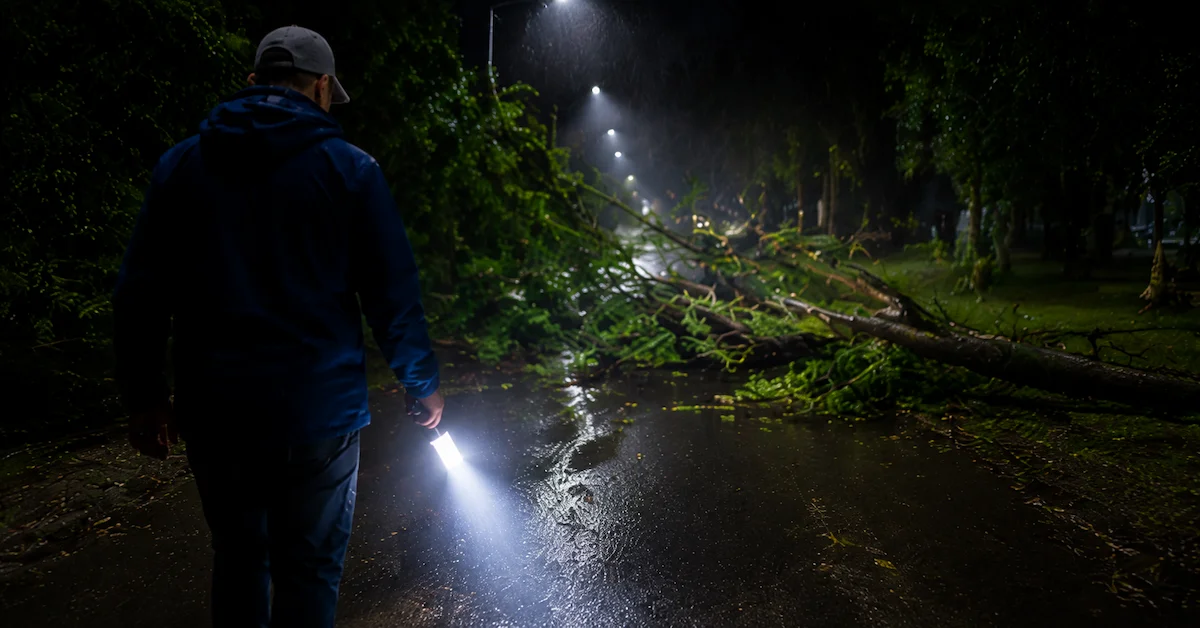
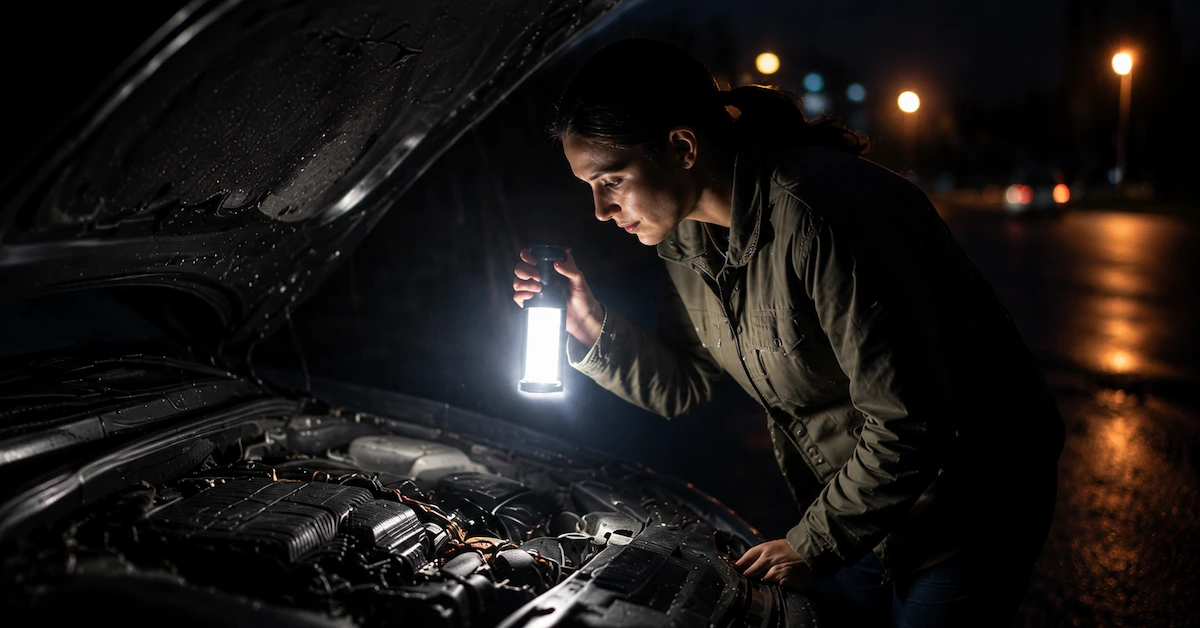
A high lumen flashlight manufacturer is not just selling brightness; they are selling visibility when a repair has to happen in difficult conditions. The work often starts after dark, with a hood raised, damp parts in view, and little room to move. In that setting, a flashlight has to do more than produce a strong beam. It has to help the user see details clearly enough to make a fast diagnosis without guessing.
For automotive roadside work, the difference between bright and usable is important. A beam that is too harsh can wash out detail on wet metal, while a beam that is too weak can disappear into shadows around hoses, brackets, and wiring. Buyers usually want a light that supports real inspection work, not just a number on a spec sheet. That is why sourcing decisions should begin with the job environment, not the headline output claim.
What the buyer is really solving
The end user is usually trying to identify a problem quickly: a loose connector, a fluid leak, a worn belt, a hose issue, or a simple part that has shifted out of place. In roadside conditions, the flashlight must help the worker inspect tight spaces without adding more difficulty. If the light is awkward, unstable, or hard to aim, the job takes longer and confidence drops.
That is why buyers often care about more than brightness. They need a beam that reaches into the engine bay, enough spread to make surrounding surfaces readable, and a body that is comfortable to hold while the other hand steadies a panel or cable. A good flashlight should reduce strain rather than create it. For procurement teams, the real question is whether the tool helps the user confirm a fault faster and more accurately in the field.
Features that matter in automotive and roadside use
Automotive lighting should be judged by how it performs in messy conditions. Oil, water, glove use, and repeated handling all affect the user experience. In this category, the best flashlight is usually the one that balances output, control, and durability instead of overpromising on one feature.
| Buyer need | Why it matters |
|---|---|
| Brightness with control | Helps reduce glare on wet metal and keeps detail visible in tight spaces. |
| Durable housing | Supports repeated carry, toolbag contact, and the occasional knock during use. |
| Water resistance | Important for roadside work in rain, mist, or damp conditions around the vehicle. |
| Simple switching | Makes the light easier to use with gloves or oily hands. |
Aluminum is a common housing choice because it offers a practical balance of strength, weight, and heat handling. Buyers often look for an aluminum flashlight factory when they want a supplier that understands that balance. A waterproof flashlight manufacturer may also be a better fit when wet-weather roadside use is a priority.
How lumen output should be interpreted
Lumen count is useful, but it does not tell the whole story. Two flashlights with similar output can behave very differently in an engine bay. One may create a narrow hotspot, while another spreads light more evenly across the work area. Both can look bright in a brochure, but only one may suit inspection work.
In roadside automotive use, the user usually holds the light near the hood opening and angles it into the compartment. That means beam shape, spill, and how the light handles reflections all matter. A very high-output model can also generate more heat and use battery power faster than expected. That may be acceptable for short checks, but less ideal for longer recovery work or repeated service calls. Buyers should compare practical illumination, not just peak output claims.
Manufacturing considerations buyers should ask about
For B2B sourcing, the flashlight should be evaluated together with the manufacturing process behind it. Consistency matters as much as the sample in hand. Buyers should ask how the body is machined or finished, how sealing is handled, and how the product is built to withstand regular use. A supplier that understands flashlight engineering should be able to explain those choices clearly.
It is also worth asking about battery compatibility, charging approach, and serviceability. Field teams do not want a tool that becomes difficult to keep in rotation. If a flashlight is hard to recharge or awkward to maintain, it can create recurring complaints. When speaking with a supplier, consider whether the product design matches the actual working environment. If you need to discuss use cases directly, you can contact us for more information.
Common mistakes in sourcing this category
The first mistake is buying for brightness alone. A very bright light that creates glare on wet surfaces or drains battery power too quickly can be less useful than a more balanced option. The second mistake is ignoring the work setting. A flashlight meant for indoor checks may not handle rain, grime, or repeated drops well enough for roadside use.
The third mistake is treating all waterproof claims as equal. Buyers should ask what the protection claim actually means and make sure it fits the environment. The fourth mistake is overlooking ergonomics. If the light is difficult to hold while the other hand is working, the task slows down. In this category, small design details often matter more than marketing language.
What good flashlight sourcing looks like in practice
Strong sourcing starts with the job, not the product page. For automotive roadside work, the use case is clear: low light, wet conditions, limited access, and the need to spot problems fast. From there, procurement can prioritize beam pattern, durability, weather resistance, charging, and handling. This approach helps buyers compare products based on actual use rather than surface-level claims.
A reliable supplier should be able to explain material choices, sealing strategy, and how the flashlight is intended to behave during regular use. If those answers are vague, it is usually a warning sign. It also helps to review the range at products and then send an inquiry when a specific use case needs clarification. The best products in this category help a worker see what matters when time is short.
FAQ for sourcing managers and product teams
Is higher lumen output always better for automotive repair?
No. Higher output can help, but only if the beam stays usable in tight and reflective spaces. For engine-bay work, beam quality, spread, and glare control often matter as much as raw brightness. A balanced light is usually more practical than a light that only looks powerful on paper.
Why do buyers care about aluminum bodies?
Aluminum is widely used because it offers a practical balance of durability, manageable weight, and heat handling. That makes it suitable for tools that may be carried often, used outdoors, and exposed to repeated handling. It is a sensible choice for rugged lighting products.
What makes waterproof performance important here?
Roadside diagnostics often happen in rain, mist, or wet conditions around the vehicle. A flashlight that cannot handle moisture is a weak fit for that environment. Buyers should confirm that the product’s water-resistance claim matches the actual conditions their teams face in the field.
Can one flashlight design serve both workshop and roadside use?
Sometimes it can, but it should be selected for the harsher scenario first. If a flashlight works well at the roadside, it will usually be more than adequate in the shop. The more demanding the field use, the more important durability and handling become.