

Camping Light Supplier Guide: How to Choose the Right Partner
Choosing a camping light supplier is not only about finding a portable lamp that looks bright in a catalog photo. B2B buyers need products that are practical, durable, easy to handle, and suitable for outdoor use. Whether you manage retail sourcing, e-commerce listings, or distribution channels, the right partner should help reduce returns and support a better user experience. This guide explains what to check before selecting a camping lights supplier, from visible construction to packaging and supplier communication.
What Buyers Really Need from a Camping Light Supplier
When buyers search for a camping light supplier, they are usually trying to solve a broader sourcing problem. They need portable lighting that can be carried, placed on uneven surfaces, packed for shipment, and used in outdoor settings without creating avoidable complaints. A camping lantern may appear simple, but the buying decision includes structure, user safety, packaging, and product positioning.
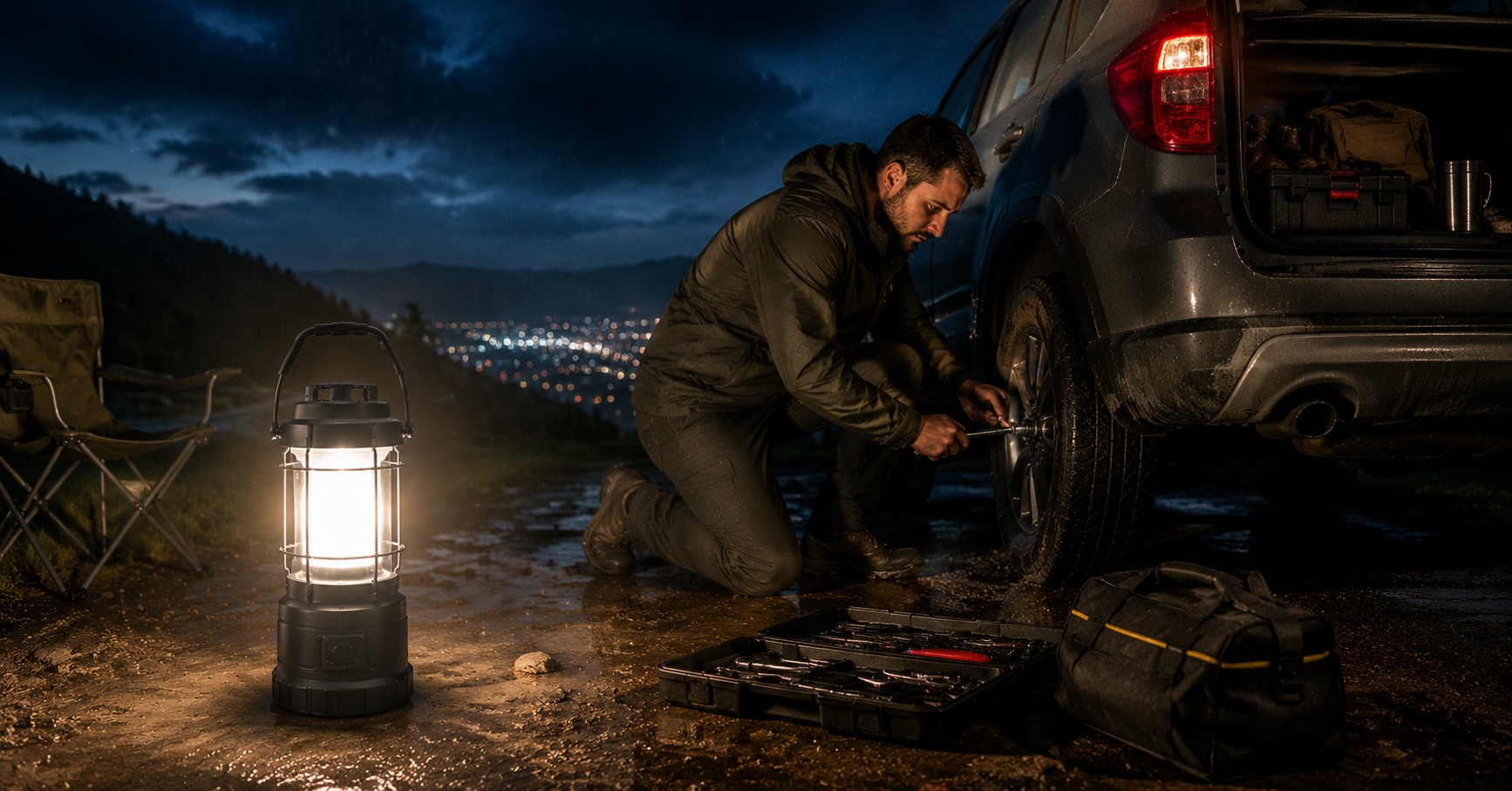
The lantern style described in the source has a dark gray or black body, a translucent light tube, a protective outer cage, a carry handle, and a freestanding base. These visible details suggest a product intended for general campsite illumination rather than decorative indoor use. For buyers, that means the supplier should understand practical outdoor use, not only production cost. A dependable partner can discuss how the product is handled, displayed, shipped, and used after purchase.
Why Camping Lights Are Harder to Source Than They Look
Outdoor portable lighting sits between consumer convenience and rough handling. A lantern may be packed in a backpack, moved between tables, placed on a tent floor, or stored after a weekend outdoors. A sample can look attractive in photos but still feel weak when handled. That is why buyers should inspect the product as a working outdoor item, not just as a visual design.
Construction choices affect perceived value. A more open lantern can be lighter and cheaper to produce, while a protective cage and sturdier housing can improve the feeling of durability and help protect the diffuser from knocks. The freestanding base is also important because campsite surfaces are rarely perfect. Before choosing an LED camping light supplier, buyers should compare how each product balances portability, stability, protection, and brand positioning.
Key Product Details to Compare Before Shortlisting
Before comparing quotes, create a simple checklist that links product details to user satisfaction. The goal is not to overcomplicate the purchase. It is to identify the features that affect handling, outdoor usability, and return risk. A compact comparison helps sourcing teams focus on what matters most.
| Check Point | Why It Matters |
|---|---|
| Body construction | Repeated handling can expose weak assembly or fragile parts. |
| Protective cage | Helps shield the diffuser and improves perceived outdoor durability. |
| Stable base | Reduces tipping on campsite tables, tent floors, or uneven areas. |
| Light distribution | Camping users often need broad ambient light, not a narrow beam. |
| Carry handle | Makes the lantern easier to move, place, or hang when suitable. |
| Packaging support | Protects cages, diffusers, and finishes during transport. |
This type of review keeps sourcing discussions practical. It also helps teams compare suppliers beyond surface appearance or unit price.
Materials, Structure, and What the Design Communicates
The visible design suggests a mixed-material product, likely combining molded body parts, a transparent or translucent diffuser, and a wire guard. However, buyers should confirm the exact material mix through samples and a supplier spec sheet. Material choices affect cost, weight, handling, and how the product feels to the end user.
Surface finish also matters. A matte or satin dark housing can hide minor scuffs better than a glossy surface, which is useful for products that may be carried, stacked, or used outdoors. The dark color also gives the lantern a more functional appearance, which may support retail presentation for camping and outdoor categories.
The diffuser deserves careful attention. A clear or semi-transparent tube can support broad illumination, but the final experience depends on the internal light source, reflector design, and assembly. Buyers should not publish performance claims such as brightness, runtime, or waterproof rating unless the supplier provides documented values.
How to Evaluate a Supplier Beyond the Sample
A good sample is useful, but it is only the first step. The more important question is whether the supplier can produce consistent products over time. Ask whether portable outdoor lighting is a focused category for the supplier or only one part of a mixed catalog. Relevant experience can help with assembly, heat management considerations, fit, finish, and basic user safety expectations.
Component control is another key issue. A camping lantern depends on several parts fitting cleanly together, including the top cap, diffuser, cage, base, handle, and internal lighting module. If one part is inconsistent, the entire product may feel poorly made. Buyers should ask how the supplier checks incoming components and finished goods.
Flexibility also matters. Many brands need color, branding, packaging, or small presentation adjustments. A strong camping lights supplier can support reasonable customization while keeping the core product structure disciplined. For project discussion, buyers can start through Brightenlux contact or submit requirements through the inquiry page.
Common Buyer Mistakes to Avoid
The first mistake is buying on appearance alone. A lantern may look rugged in online images but feel weak when lifted, opened, packed, or placed on a table. Always review a physical sample where possible. Check the handle attachment, base stability, diffuser fit, cage alignment, and overall finish. These small details reveal a lot about production discipline.
The second mistake is treating every outdoor light as the same product. A campsite lantern, patio light, and work light may overlap in use, but they serve different expectations. A camping lantern should be easy to carry, place, and use for ambient light. It should not be evaluated only by decorative appeal or by assumptions taken from other lighting categories.
Another common issue is adding unnecessary complexity. Extra modes, decorative parts, or complicated controls can raise cost and confuse end users if they do not match the product’s purpose. Packaging is also often underestimated. Products with cages and diffusers need suitable protection to reduce scuffs, deformation, and avoidable complaints during shipment.
Questions to Ask Before Placing an Order
Before committing to a camping light supplier, ask questions that directly affect buying risk. Start with the power source. The source information does not identify whether the lantern is battery-powered, rechargeable, gas-based, or electric. Do not assume. The power source affects logistics, compliance planning, packaging information, and customer instructions.
Next, request verified performance specifications. Lumen output, runtime, and waterproof rating are important for marketing, but they should never be guessed. Only use claims that the supplier can document. Ask what parts are metal and what parts are plastic, because visible appearance alone does not confirm the material structure.
Quality control questions are equally important. Ask what checks are used for function, fit, finish, and transport protection. If the supplier cannot clearly explain routine inspection steps, that is a warning sign. Also confirm whether they can support your packaging and branding needs. Consumer outdoor products often depend on presentation as much as product function. To explore suitable product directions, buyers can review Brightenlux products.
FAQ
Is this type of lantern only suitable for camping?
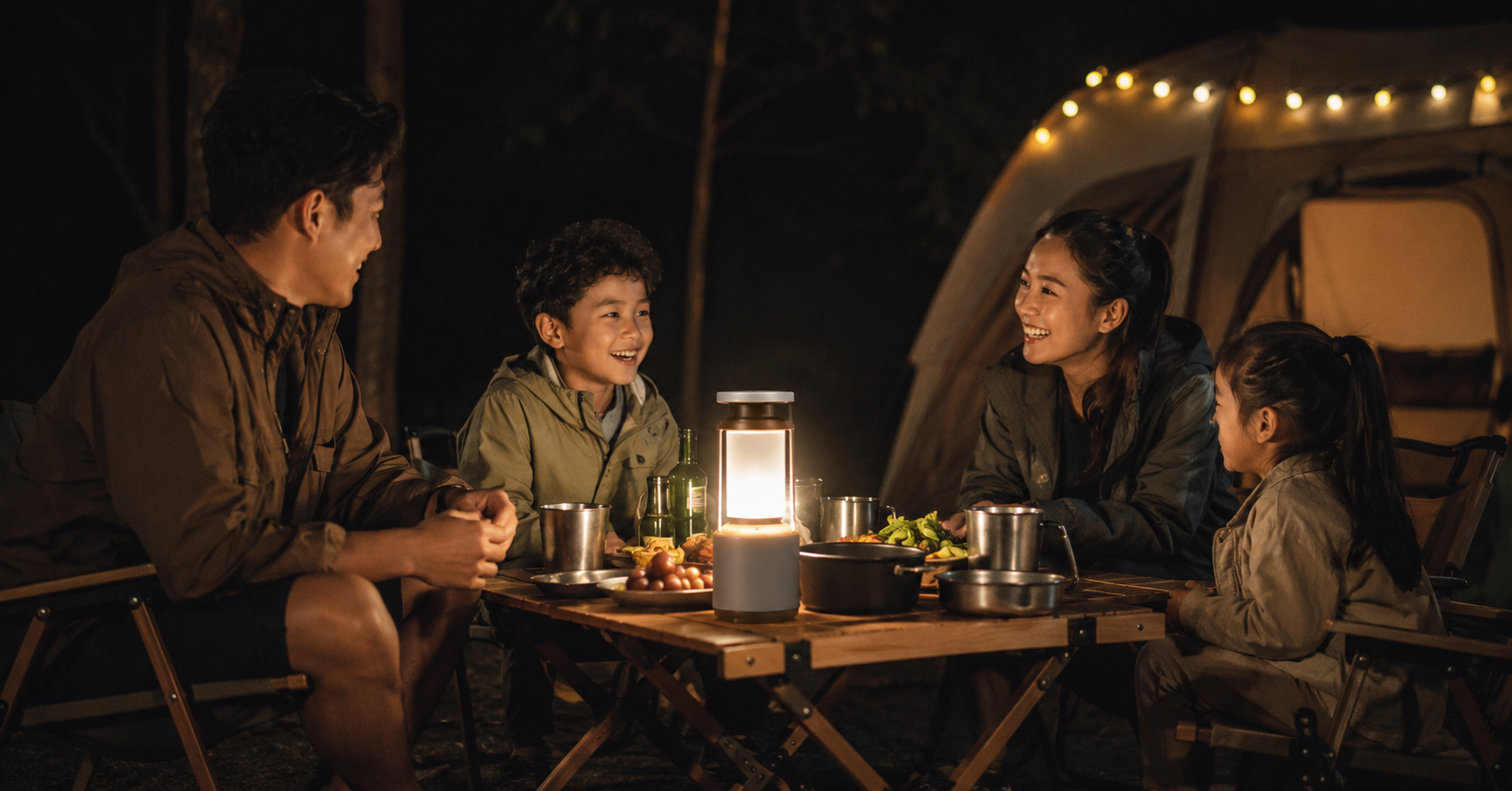
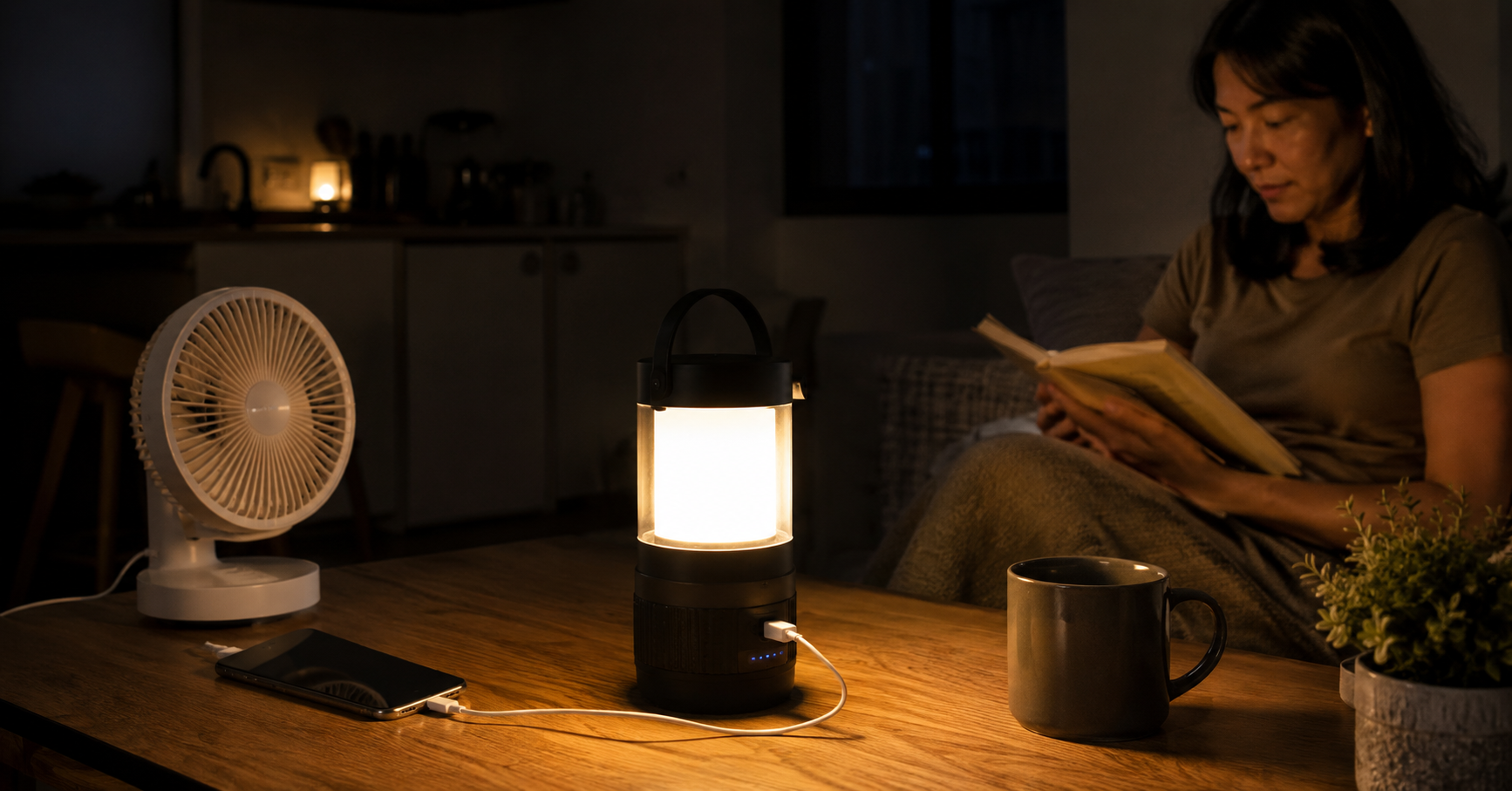
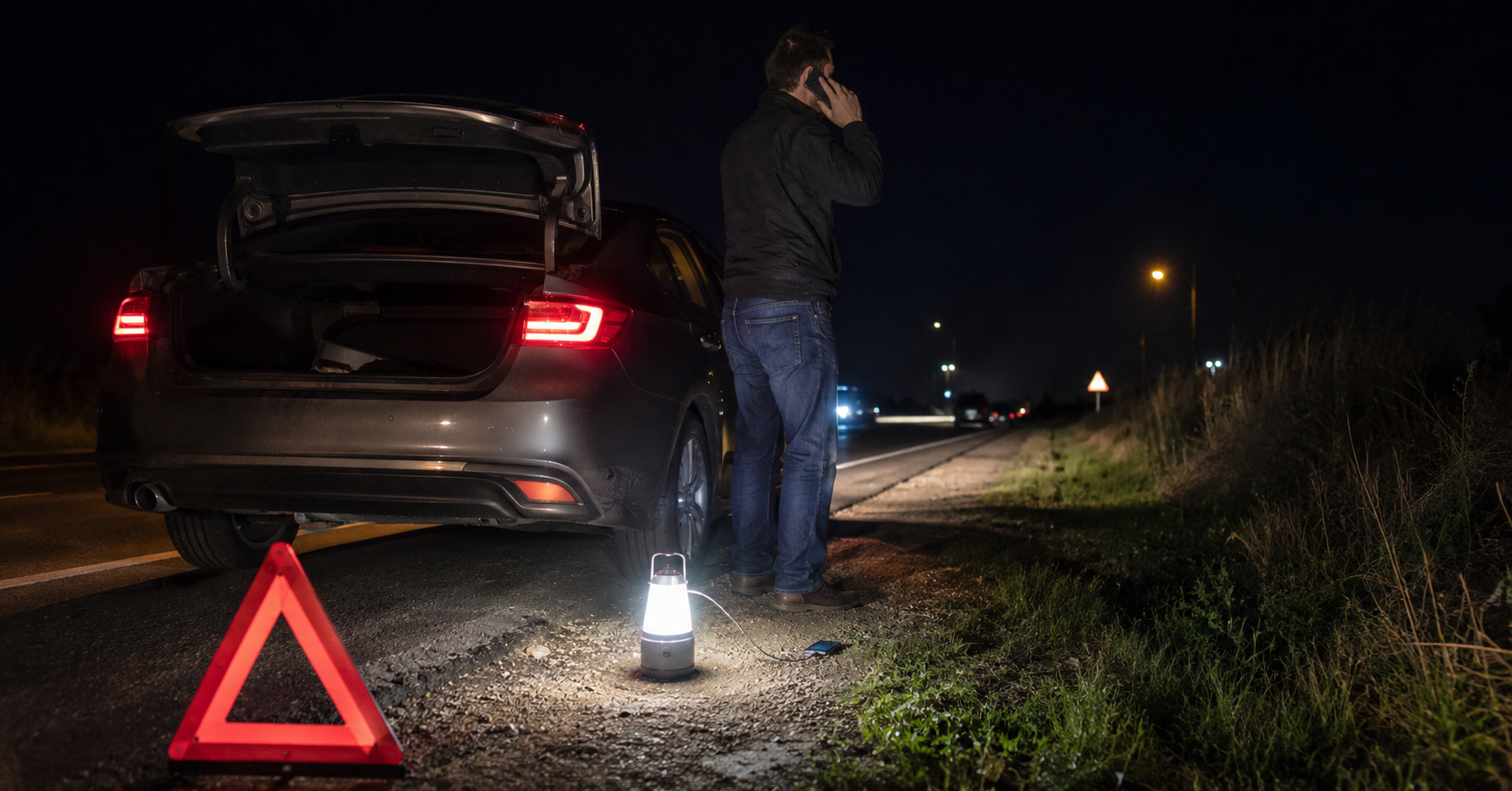
No. Based on the visible design, this type of portable lantern can also suit picnic, patio, backyard, and emergency backup scenarios. Buyers should still position it carefully, because the same product may need different packaging messages for retail, e-commerce, or distributor channels.
Why does the protective cage matter in a camping light?
The cage helps protect the diffuser and light assembly from accidental knocks during handling, storage, and transport. It also gives the product a more practical outdoor appearance. Buyers should still inspect cage alignment, attachment strength, and packaging protection before approving a supplier.
Should buyers ask for brightness and runtime data?
Yes, but only documented performance data should be used in sales materials. Brightness, runtime, and waterproof rating are important purchasing details, yet they cannot be assumed from appearance. Ask the supplier for verified specifications before listing or promoting any technical claims.
What is the best next step when comparing suppliers?
Request a sample, a full specification sheet, and clear answers about power source, materials, packaging, and quality checks. A reliable supplier should help you understand how the lantern is built, shipped, and used, not only provide a catalog image or quick quote.