

Camping Lantern Manufacturer Guide for Outdoor Buyers
A camping lantern manufacturer is not chosen only for lighting output. Outdoor buyers also compare how the product works in a tent, on a campsite table, during a power outage, and after repeated handling. The best sourcing decision depends on use case, channel fit, and how clearly the supplier understands the product’s real job. If you are reviewing options, start with the product range at Brightenlux products and define the scene before asking for samples.
Why buyers look beyond a basic lantern
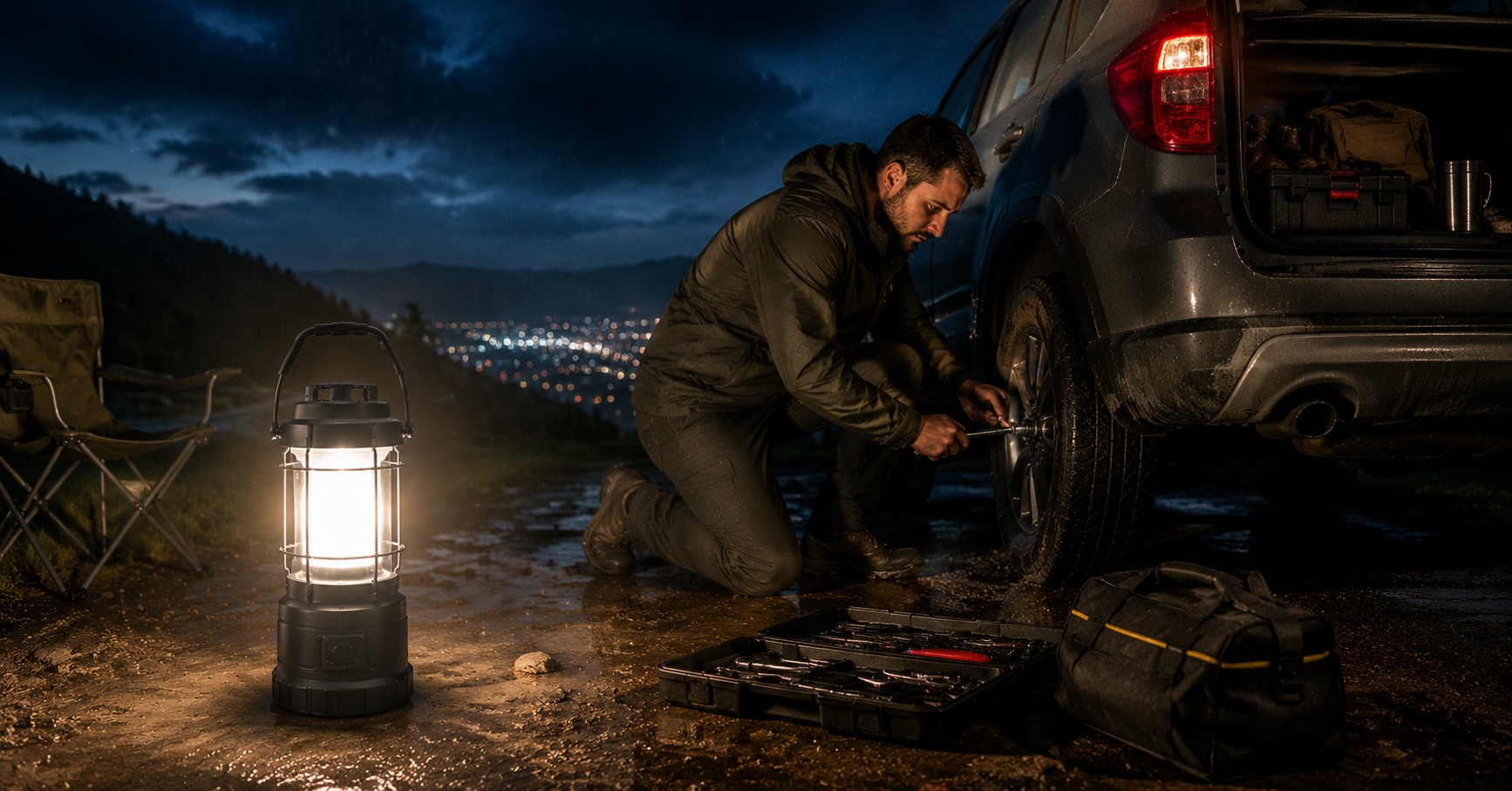
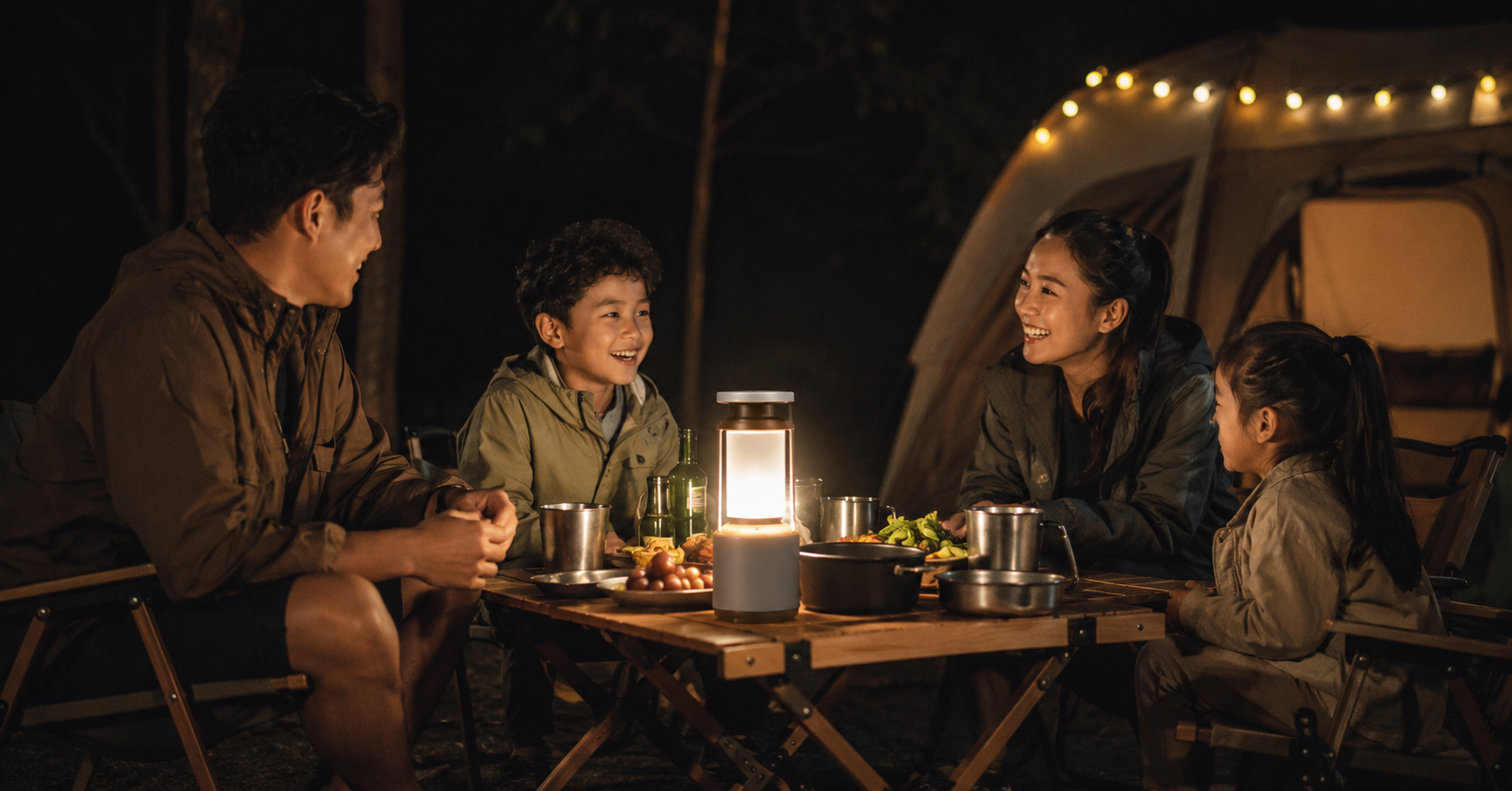
In sourcing, a lantern that looks fine in a photo can still fail in use. Buyers notice glare inside a tent, awkward hanging hardware, poor balance on uneven ground, or a housing that feels too fragile for outdoor handling. Those issues create complaints long before a catalog spec sheet does. That is why procurement teams look at the product the way end users will: on a campsite table, inside a tent, or as backup light during an outage. A strong camping lantern factory should understand those real conditions and design for them instead of focusing only on appearance.
This is also where the difference between a promising sample and a viable product line becomes clear. One sample may look polished, but the broader question is whether the design can support retail expectations, repeat use, and clear positioning. For buyers, the lantern is not just a product; it is a use-case decision.
Lanterns and camping lights are related, but not identical
The phrase camping light manufacturer is broader than camping lantern manufacturer. It can include clip-on lights, handheld lamps, tent lights, lantern-style products, and hybrid designs. A lantern is more specific: it is usually portable, self-contained, easy to place or hang, and better suited to area illumination than narrow task lighting.
That distinction matters when the customer wants ambient campsite lighting. A lantern often fits better for shared light in a tent or around a picnic table. A directional camping light may work better for a path, gear box, or a focused task. The image concept in the source also points to a compact portable lantern with a handle or hanging point, which suggests a product meant for more than one placement. Buyers should match the form factor to the actual use case, not just the category name.
What a good lantern line usually has in common
A reliable camping lantern factory usually thinks in terms of variants rather than a single shell. Buyers often see differences in hanging options, base stability, housing feel, finish choices, and how the product supports multiple use scenes. The source does not provide technical specifications, so it would be misleading to invent them. What matters here is design logic. A good line should feel coherent across its options and simple enough to use outdoors without extra explanation.
Portability and stability are the first tradeoff. Very light products are easier to pack, but they may tip on a sloped table. Heavier ones can feel steadier, but are less attractive to travelers. Hanging and standing use matter too. In a tent, a hanging point can reduce shadows and free up space. On the ground, a stable base can be more useful. The strongest designs support both without feeling cluttered.
How manufacturers differ in practice
Not every supplier approaches outdoor lighting the same way. Some are better at simple housings and straightforward assembly. Others are stronger in product design, packaging, and multiple configuration options. A camping light manufacturer may offer a broader catalog, but that does not automatically make it the best choice for a lantern-focused program. Buyers should look at how naturally the product is built for outdoor use, not just how many categories the factory can name.
Consistency also matters. Sample quality can be easy to impress, but shelf-ready products need repeatable appearance across production runs. Small variations in housing, handle feel, or packaging can become visible quickly once the product is photographed, shipped, or displayed. When a supplier keeps the line visually and structurally consistent, the product usually looks more dependable to the buyer and the end customer alike.
Selection criteria buyers should actually use
Before comparing suppliers, decide how the lantern will be sold. A product for outdoor specialty retail can have a different design language from one sold through mass retail or promotional channels. Specialty buyers may favor practical details and rugged cues, while mass-market buyers may prefer compact packaging and simpler presentation. The same lantern can succeed or fail depending on where it sits on the shelf.
Use environment matters just as much. Tent lighting and campsite perimeter lighting are not the same. A lantern that works well in a small enclosed space may feel modest outdoors, while a product aimed at wider area lighting can be too strong or too bulky inside a tent. Ask where the user will place it most often. That question usually reveals whether the design is truly aligned with the intended customer.
| Buying focus | What to check | Why it matters |
|---|---|---|
| Channel fit | Retail style and packaging | Helps the product match the shelf and audience |
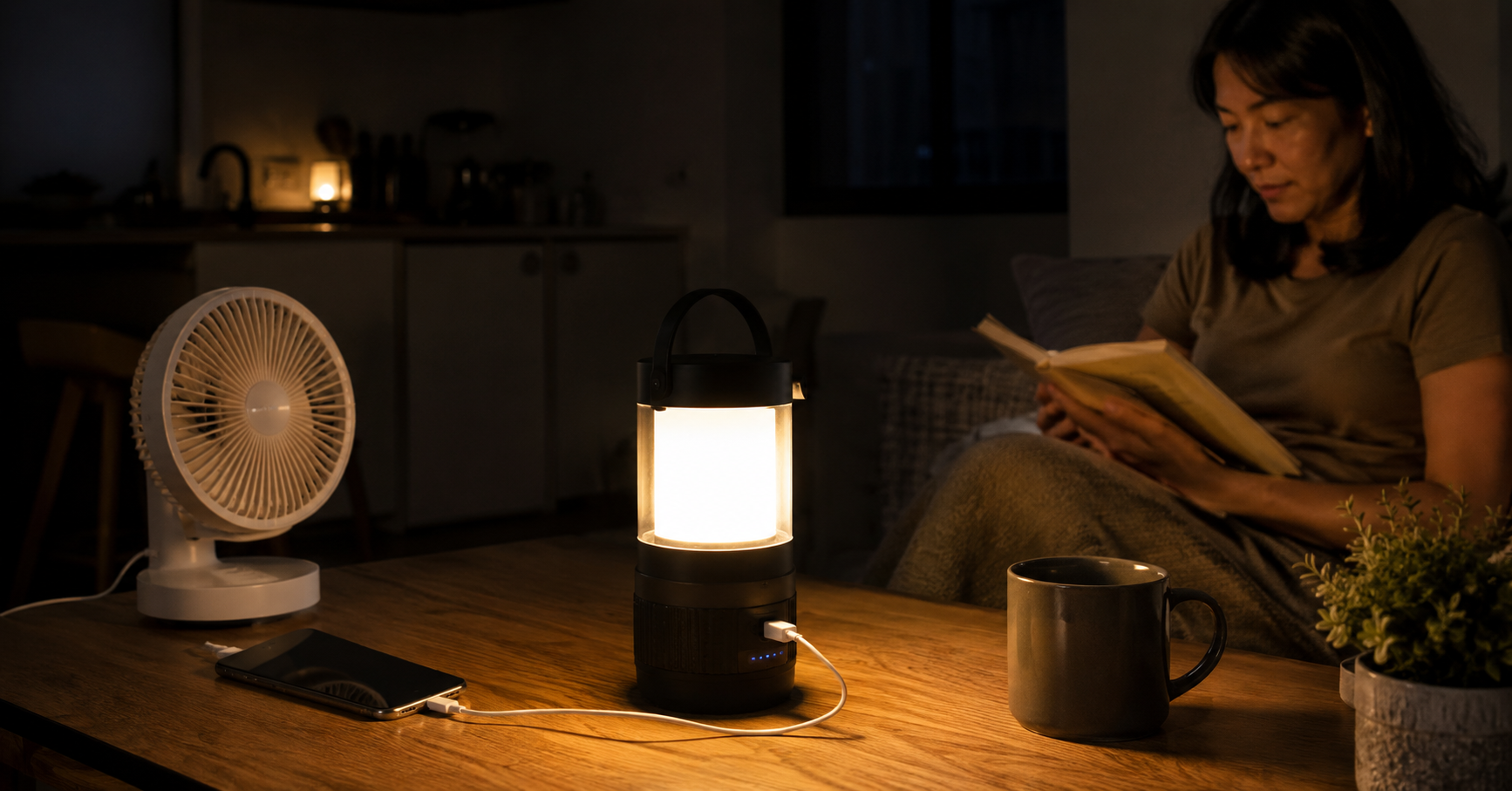
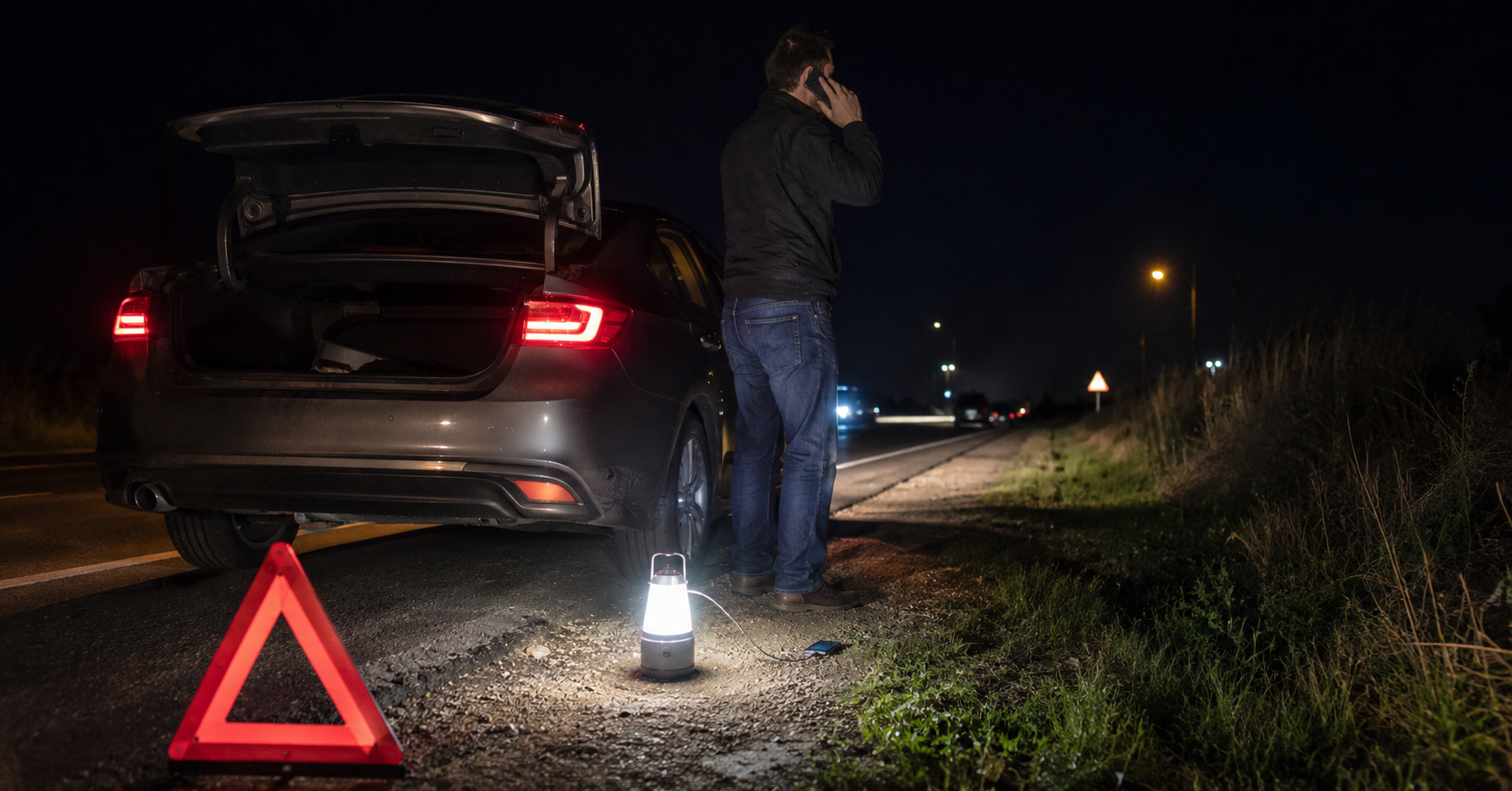
| Use scenario | Tent, campsite, or backup lighting | Prevents the wrong form factor from being sourced |
| Handling | Grip, hanging point, and base behavior | Reduces complaints during real use |
Common buyer mistakes with camping lantern sourcing
One common mistake is treating every portable light as interchangeable. Lanterns, task lights, and emergency lights solve different problems, even if they share some components or basic power logic. Another mistake is over-specifying features that end users may not care about. In outdoor products, simple and dependable often works better than feature-heavy and fragile. Extra modes can be useful, but too many controls can make a lantern annoying to operate in the dark.
Packaging is another trap. A lantern may look compact in a render and then occupy more shelf space than planned once inserts, protective elements, and retail packaging are added. That can affect freight, display, and retailer acceptance. For a lantern program to work, buyers should think about the product as it is sold, not only as it is used.
What to ask a supplier before you commit
Good sourcing questions are practical, not technical for the sake of it. Ask which camping use scenario the model supports best, whether it is positioned more as tent lighting, campsite lighting, or backup light, and what mounting or placement options are built into the design. If you need a broader range, check whether the supplier can support multiple variants within one product family. If you want to compare options first, send an inquiry with the intended use case.
It also helps to ask how the factory handles appearance consistency and packaging across production runs. A serious camping lantern manufacturer should answer in practical terms, not only with marketing language. If the response stays vague, keep asking until the product story, placement, and packaging logic are clear. That clarity usually separates an adequate supplier from a better one.
Choosing the better sourcing path
If your goal is a lantern-centered product, start with suppliers that think like a camping lantern manufacturer rather than a general light producer. If your range needs broader outdoor coverage, a camping light manufacturer may offer more flexibility. Neither is automatically better. The right choice is the one that matches the real use case and the way the product will be positioned in the market.
For teams preparing a new outdoor lighting line, the most useful next step is to define the use scenario in one sentence, then compare how each supplier handles portability, placement, and packaging. If you want a direct conversation about your project, contact us to discuss the product direction before requesting samples.
FAQ
Is a lantern always better than a camping light?
No. Lanterns are usually better for shared illumination, hanging use, or tabletop placement. Other camping lights can be better for directional tasks, tighter carry needs, or focused lighting. The better choice depends on where and how the end customer will actually use it.
Should buyers prioritize compact size?
Only when the customer needs easy packing. A lantern that is too small may not feel practical for a campsite table or tent area. Buyers should balance portability with the amount of useful area lighting the product is expected to provide in real use.
What matters most in supplier selection?
Fit for use, design consistency, and the supplier’s understanding of the product’s place in the market matter most. A lantern that matches the channel and use case usually performs better than one with a long list of features that are difficult to explain or use.
Can one factory handle multiple camping light types?
Often yes, but buyers should verify whether the factory is strongest in lantern-style products or in broader outdoor lighting. That difference can affect design support, product consistency, and how well the final line fits the intended customer and channel.