

Waterproof LED Flashlight Supplier Guide for Buyers
When buyers search for a waterproof LED flashlight supplier, they are usually trying to reduce failure risk in wet conditions, not just find a bright beam. The real concern is whether a handheld light can handle rain, damp storage, wet gloves, and the occasional rough field use without becoming unreliable. That is why supplier selection matters as much as the product itself.
For sourcing teams, the key question is not only which flashlight looks good in a catalog. It is which supplier can provide a compact torch that behaves predictably when used outdoors, carried in a bag, or handed to users who will not treat it carefully. That makes the buying brief more practical than promotional.
What Buyers Really Mean by a Waterproof LED Flashlight Supplier
In practice, buyers are often looking for a product that performs in rain, mist, damp plant areas, emergency kits, or inspection routes where moisture is part of the job. A supplier in this category is not simply a light vendor. It is a partner expected to help reduce product failures that can lead to returns, complaints, and lost confidence in the brand.
The term “waterproof” also needs careful handling. In sourcing conversations, it may be used loosely, so buyers should ask what the product is actually designed to handle. A supplier that can clearly explain intended exposure levels is more useful than one that relies on broad claims. If the application involves outdoor or wet-weather use, clarity matters more than marketing language.
Why Moisture Exposure Changes the Sourcing Brief
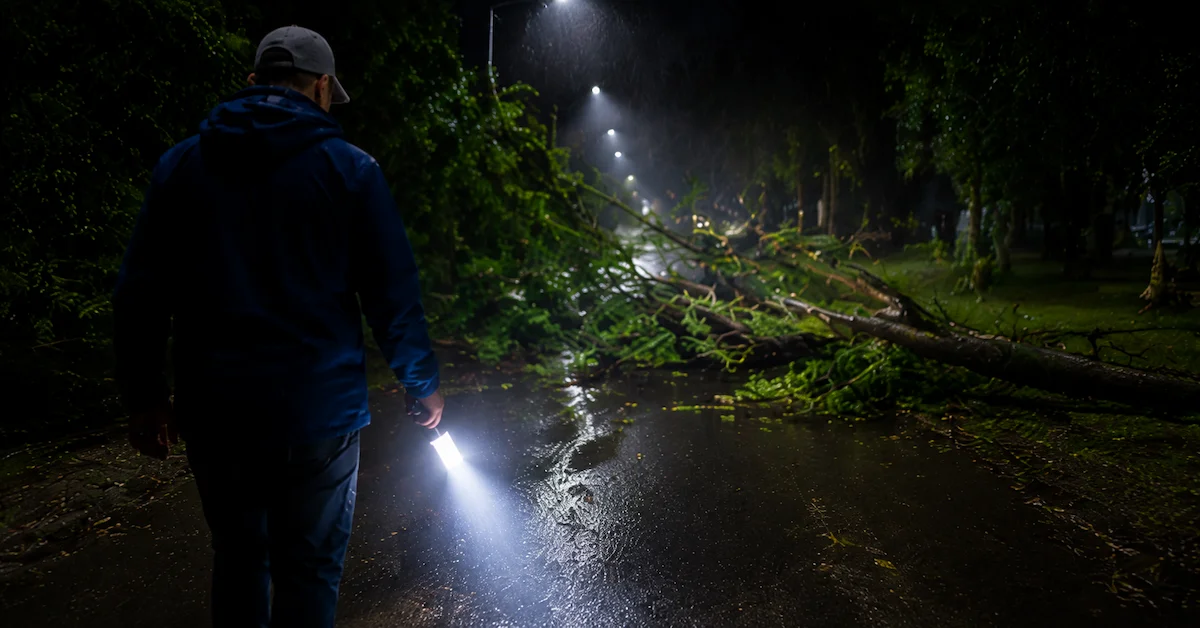
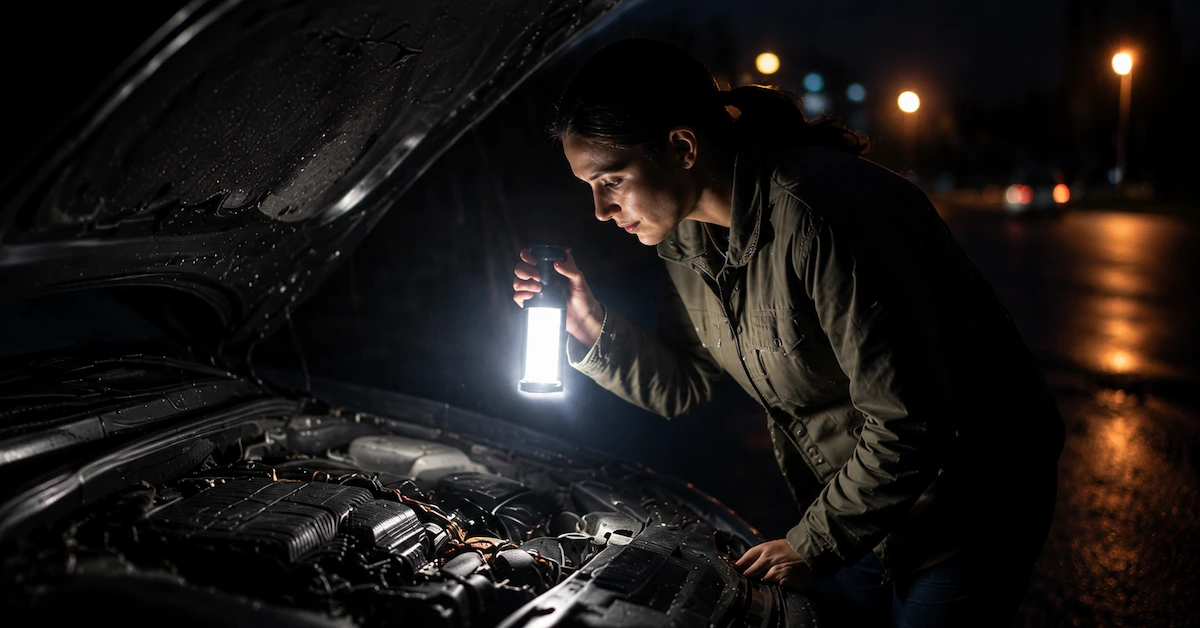
A standard handheld flashlight can work well indoors or in dry warehouse checks. Once the use case shifts outside, the product must deal with rain, condensation, wet hands, and damp storage. Even if the light is not intended for immersion, buyers still need to know whether it is built for splash exposure, weather resistance, or a stronger level of protection.
That distinction becomes important quickly. A flashlight that flickers after repeated wet use creates downstream problems: replacement stock, field frustration, and extra support work. In that sense, a waterproof torch supplier is not just a source of units. It is a filter for risk. Buyers should treat water resistance as a functional requirement, not a decorative feature.
What the Flashlight Should Do in the Field
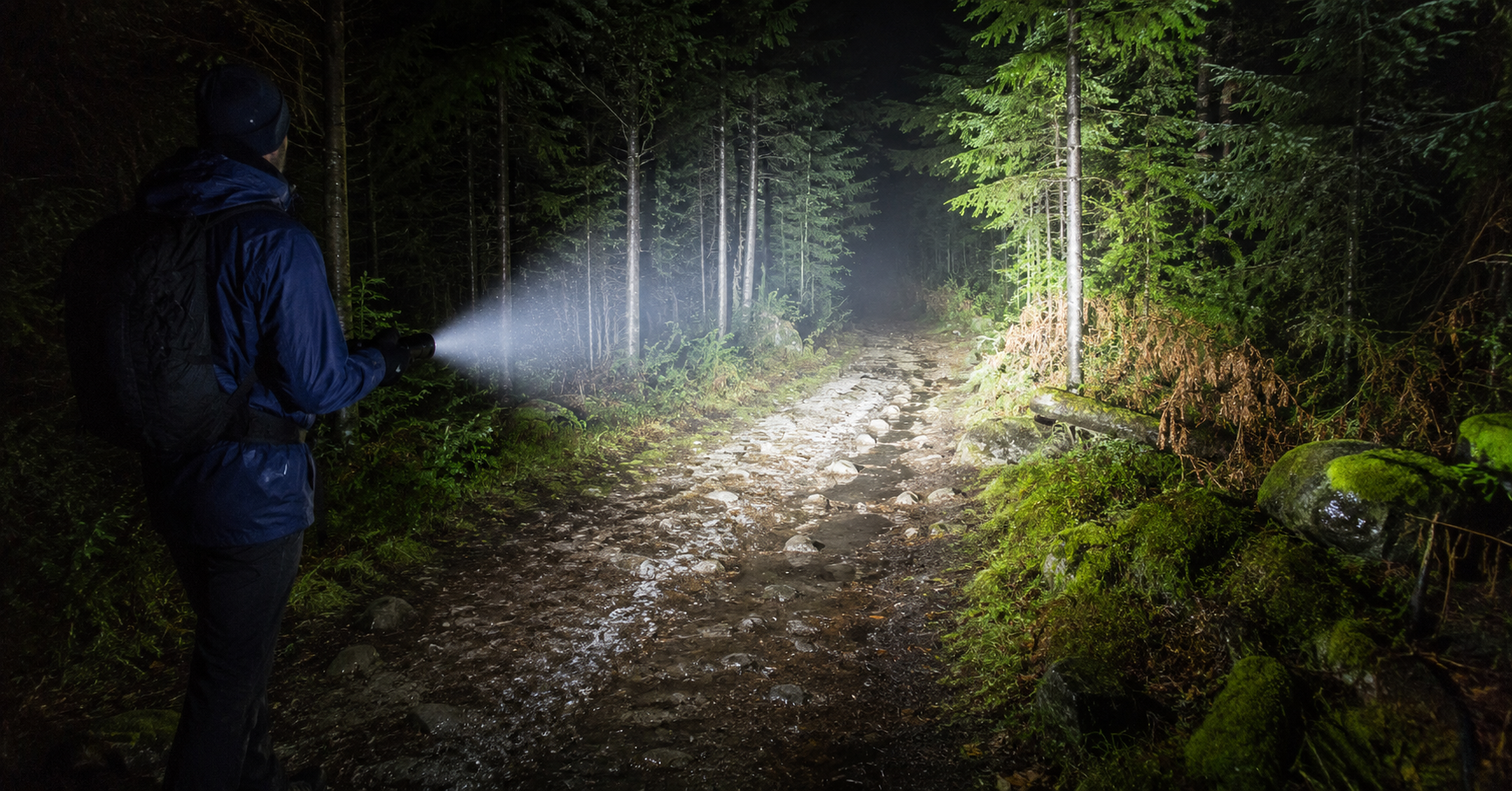
The product described in the source is a compact handheld flashlight, often called a torch, with a cylindrical body and a front beam. That shape is common for hiking, trail walking, camping, emergency preparedness, and inspection work. It is easy to carry, easy to standardize, and practical for users who need a simple light source.
Still, buyers should not rely on appearance alone. A matte or semi-matte body may improve grip, but it does not confirm moisture performance. A focused beam may look strong in a photo, but it does not reveal whether the lens, body tube, head, and switch area are well sealed. The real question is whether the design supports reliable use in damp conditions.
Quick Comparison Before You Place an Order
Before selecting a supplier, compare the flashlight on a few practical points rather than chasing a long list of headline claims. A simple table can keep the discussion focused and help sourcing teams ask better questions before samples or orders move forward.
| What to compare | What to ask | Why it matters |
|---|---|---|
| Moisture protection level | Is it meant for splash, rain, or deeper water exposure? | Prevents confusion between weather resistance and stronger waterproof claims. |
| Body construction | What materials and sealing approach are used? | Shows whether the flashlight is built for repeated field use. |
| Beam behavior | Is the beam focused or broader? | Helps match the light to trail use, inspection, or general navigation. |
| Wet-hand usability | Can it be operated comfortably with damp hands? | Ensures the flashlight is practical when conditions are not ideal. |
What a Reliable Supplier Should Explain
A serious LED flashlight manufacturer should be able to explain the product in straightforward terms. That includes intended use, the difference between product variants, and what kind of moisture exposure the design is meant to handle. Buyers do not need unnecessary technical detail, but they do need clear answers.
It also helps to know whether the supplier is offering a standard catalog item or a configurable product. Some buyers only need packaging or branding changes. Others need a version better suited to outdoor navigation, inspection, or emergency kits. If you are still comparing options, review the current range on the product page. For project questions, you can also send an inquiry or use the contact page.
Common Mistakes in Wet-Weather Flashlight Sourcing
One common mistake is treating “waterproof” and “weather-resistant” as identical. They are not always the same, and buyers should ask what the supplier means in practice. Another mistake is trusting a dramatic beam image more than the product’s real field behavior. A bright photo does not show how the light performs after repeated wet use.
Buyers also sometimes skip usability checks. A flashlight may look compact and professional but still be awkward to carry, hard to switch on, or slippery when wet. In handheld lighting, those details matter. A product that works only when handled carefully is often a poor fit for the very jobs that require moisture resistance.
Matching the Torch to the Use Case
For hiking and trail walking, portability and grip are usually the most important factors. A compact torch with a focused beam is often enough if it can handle rain or spray. For camping, buyers may care more about easy packing and quick retrieval from a dark bag or tent. For inspection work, beam control and dependable wet-weather use tend to matter more than styling.
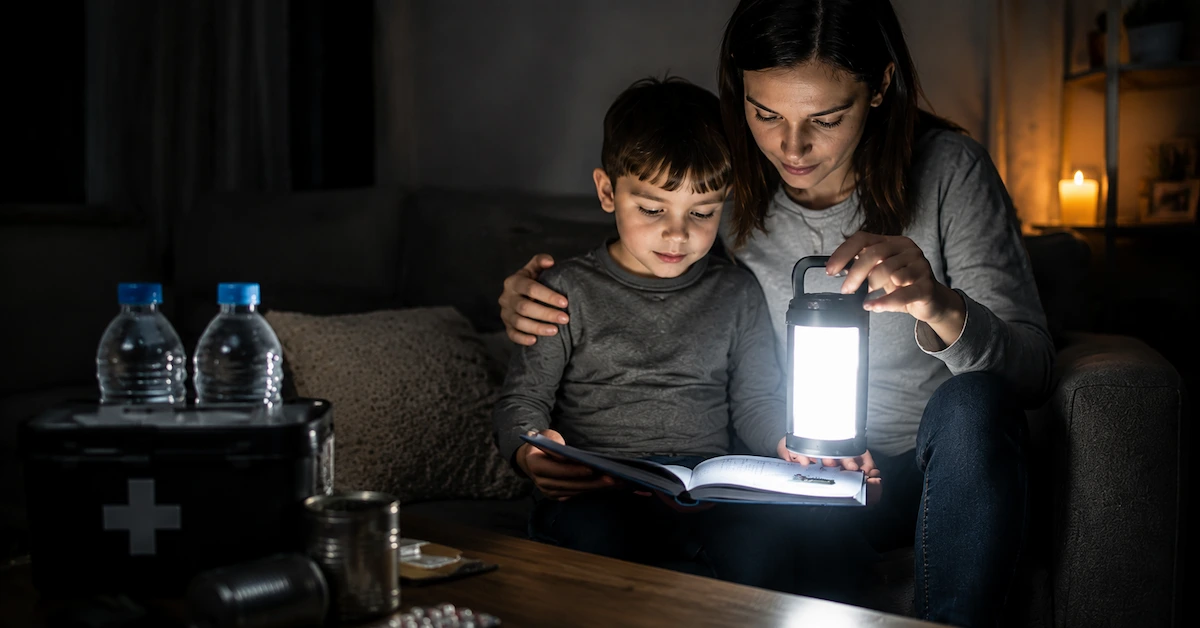
Emergency preparedness adds another layer. A flashlight stored for months should still be ready when needed, and moisture resistance helps protect it in garages, vehicles, or kits that are not perfectly dry. If you need a straightforward product conversation, you can always use the contact page to ask about the model that best fits your use case.
FAQ: Waterproof LED Flashlight Sourcing Basics
Is a waterproof flashlight always fully submersible?
Not necessarily. Buyers should confirm whether the supplier means splash resistance, rain resistance, or a deeper water protection level. The wording can be used loosely, so it is better to ask for a plain explanation of the intended exposure rather than assume every waterproof claim means the same thing.
Why does beam style matter so much?
Because different users need different lighting behavior. A focused beam can help with path lighting or inspection, while a broader beam may make nearby surfaces easier to see. The right choice depends on how the flashlight will actually be used in the field, not just how it looks in a product photo.
What is the biggest red flag when talking to a supplier?
Vague answers. If the supplier cannot explain intended use, water exposure limits, or the differences between model options, the product may be easier to market than to trust. Clear, practical explanations are usually a better sign than broad claims with no context behind them.
Should buyers request samples before ordering?
When the project allows it, samples are useful. A handheld flashlight should be checked in the hand, not only on paper. Grip, switch feel, beam usefulness, and behavior in damp conditions are easier to judge with a sample than through a catalog page or a specification summary alone.