

USB Flashlights: Quick-Charge Lighting You Can Always Keep Ready
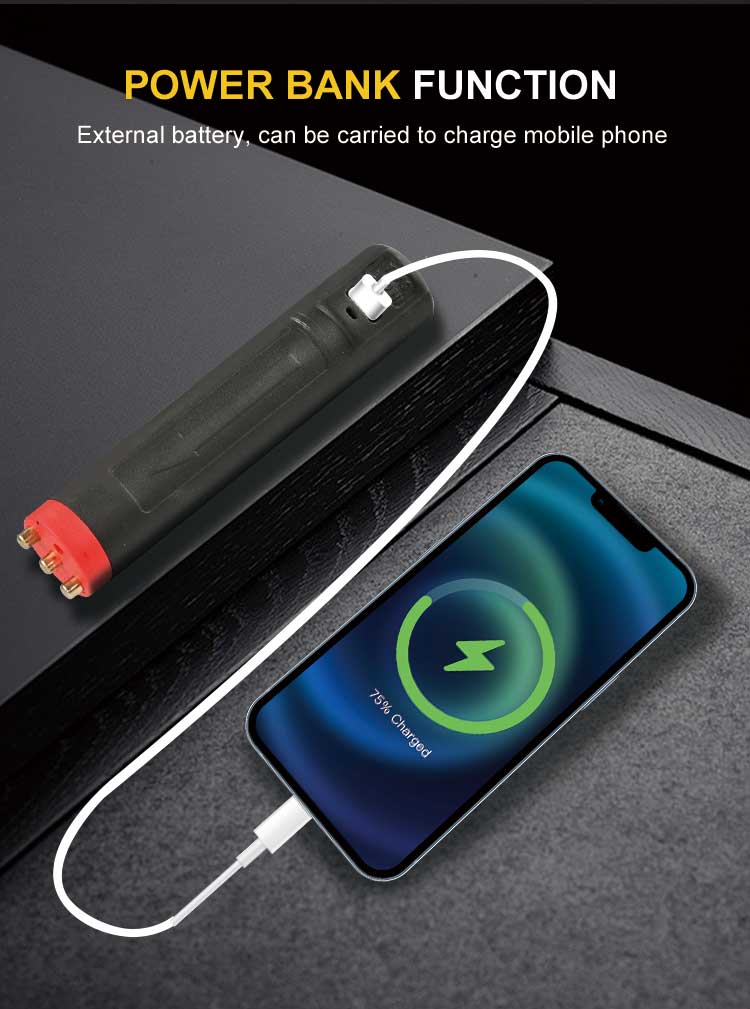
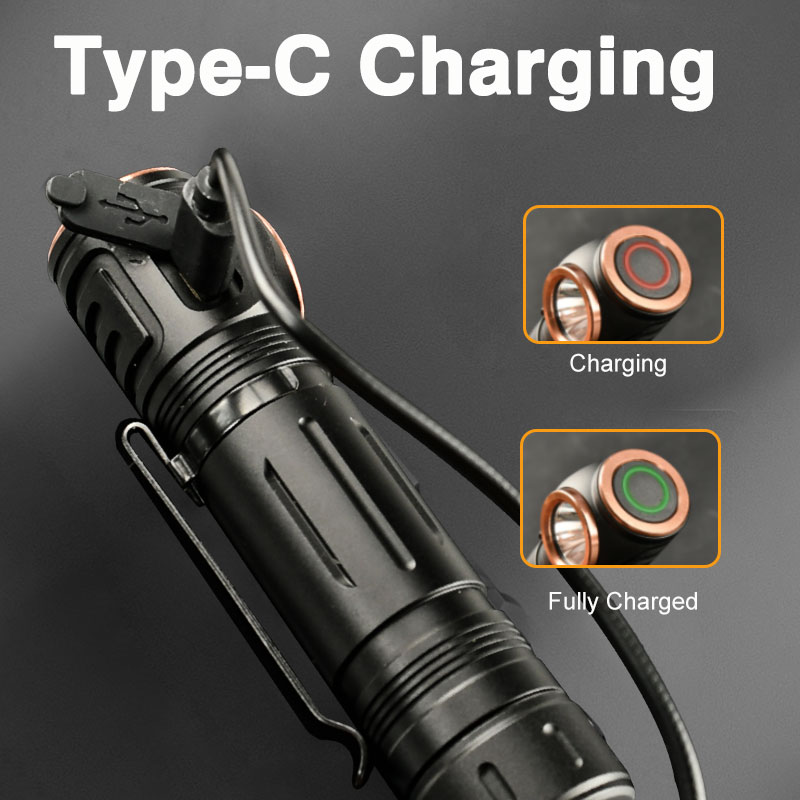
USB flashlights are built for teams and households that need lighting without the hassle of hunting for spare batteries. With USB or USB-C charging, they can be powered from a laptop, power bank, car charger, or solar panel. That makes them practical for field workers, travelers, and homeowners who want a dependable light source that is easier to keep charged and easier to put back into service.
Why USB Charging Changes Flashlight Readiness
Traditional flashlights often depend on a specific battery type, which can slow people down when the light is needed most. A USB flashlight changes that habit. Instead of waiting until batteries are replaced, users can recharge from common power sources they already carry or already have nearby. A laptop, power bank, car charger, or solar panel can all become part of the charging routine. For organizations that manage gear for mobile staff, that flexibility matters because the flashlight is simpler to maintain and less likely to sit unused when power is low.
For buyers, the real value is not only convenience. It is consistency. When a product is easy to recharge, it is easier to keep in rotation, easier to assign to different jobs, and easier to hand off between shifts or trips. That is why USB charging has become a practical fit for work kits, emergency drawers, and travel bags alike.
Where USB Flashlights Fit in Real Workflows
USB rechargeable lighting is useful wherever a small light needs to stay close and stay charged. The same product can support roadside checks, warehouse rounds, camping preparation, or backup storage at home. Because the light can be recharged from several familiar sources, users do not have to build a separate battery inventory just to stay prepared. That simplicity helps reduce friction in everyday use.
| Situation | Why USB Helps | What Users Gain |
|---|---|---|
| Car breakdown | Can charge from the vehicle | Light stays available during inspection |
| Warehouse inspection | Can top up between shifts | Consistent lighting for routine checks |
| Camping prep | Can charge from a power bank or solar panel | Less to carry and fewer spare batteries |
| Home outage | Can connect to stored backup power | Fast access to light when the power goes out |
These scenarios show why the format works so well for both business and personal use. The flashlight is not just portable; it is easier to keep in a ready state.
Core Features That Matter to Buyers
When buyers compare USB flashlights, the most useful features are usually the ones that simplify charging and daily handling. Fast USB-C charging reduces downtime and supports frequent use. A rechargeable lithium-ion battery is important because it gives the flashlight a practical power base for repeat charging. Multiple brightness modes also help the same light adapt to task work, general checking, or power-saving use.
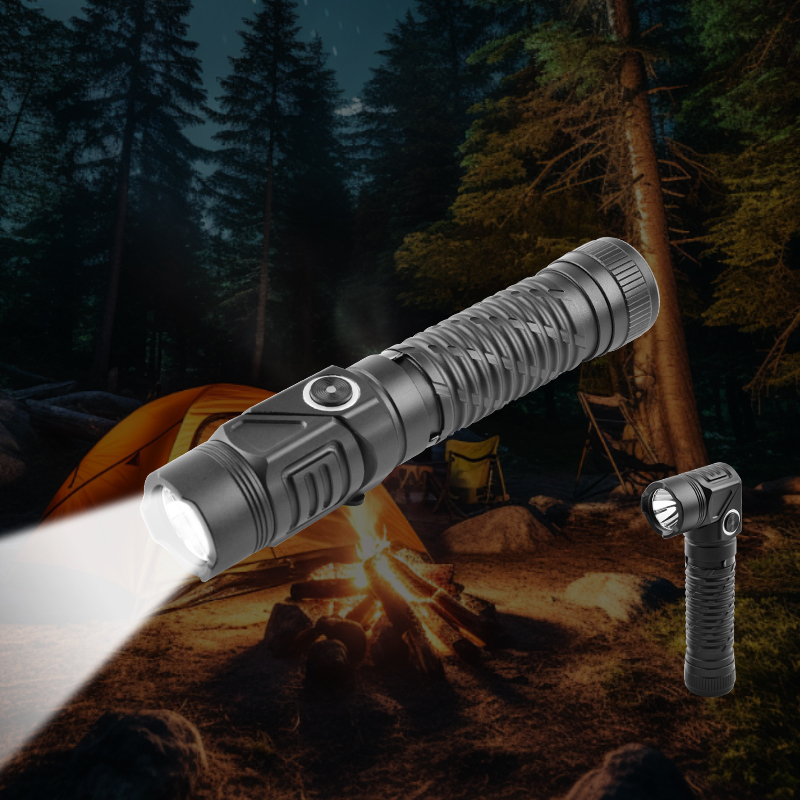
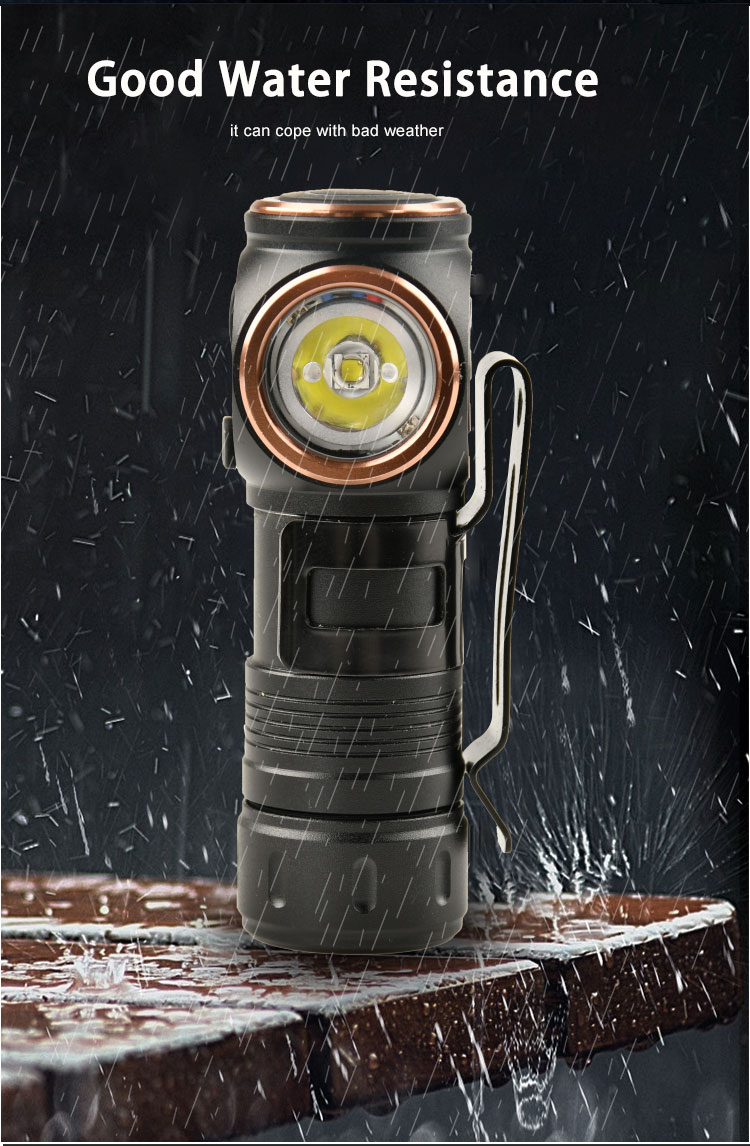
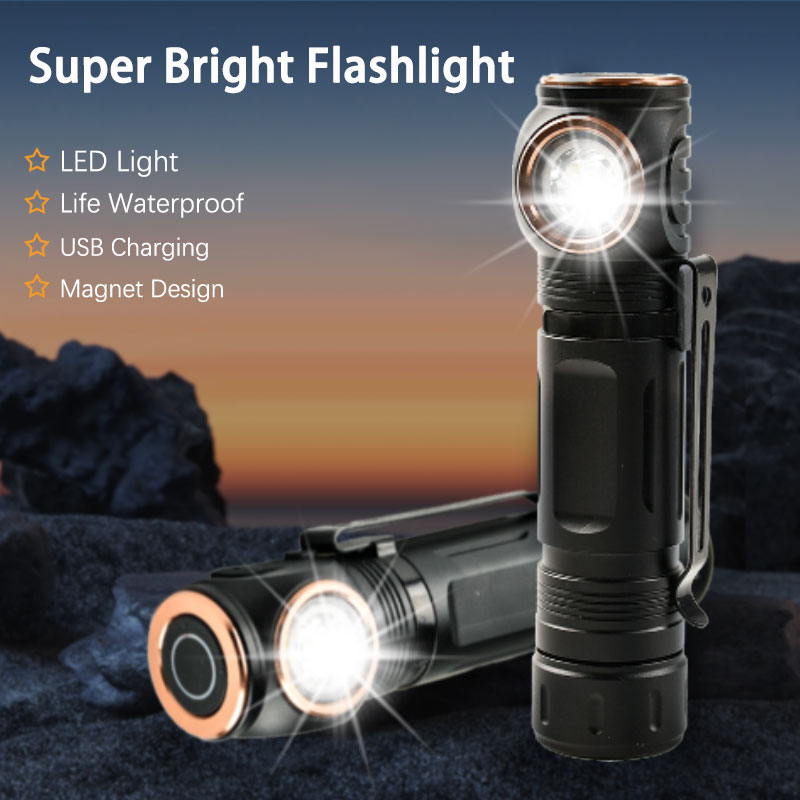
Compact size is another strong buying point. A flashlight that fits in a pocket, clips to a belt, or hangs from gear is easier to keep nearby. Many buyers also look for rugged, waterproof housings because real-world use rarely happens in perfect conditions. In short, the best models are the ones that are simple to carry, easy to recharge, and ready for different situations without adding complexity.
Why Brightenlux USB Flashlights Stand Out
Brightenlux designs USB rechargeable flashlights with practical B2B needs in mind. The lineup supports quick USB-C charging and compatibility with multiple power sources, which helps the flashlight stay useful in more settings. Brightenlux also offers lumen output up to 3000, giving buyers a high-visibility option when stronger light is important. For many sourcing teams, that balance of quick charging and strong output is a major advantage.
Durability and portability are part of the value too. Brightenlux focuses on rugged, waterproof housings and pocket-friendly designs that can include a belt clip or lanyard option. Those details help the flashlight fit into professional kits, outdoor packs, and retail assortments. If you want to review current models, you can browse Brightenlux products and compare the available styles.
Design Details That Support Daily Carry
A USB flashlight only becomes truly useful when it is easy to keep close. That is why small design choices matter so much. A compact body makes storage simpler, while a belt clip or lanyard can keep the light within reach during inspections, repairs, or travel. These are not flashy features, but they improve the chances that the flashlight is actually available when needed.
Daily carry also benefits from low-friction charging. If a light can be plugged into familiar power sources, users do not need to treat it like specialized equipment. It can sit in a drawer, in a vehicle, or in a gear bag and still be easy to return to service. For buyers building practical kits for staff or customers, that kind of everyday convenience can matter as much as the beam itself.
OEM/ODM Customization for Wholesale Programs
For wholesalers, retailers, and corporate buyers, product fit is not only about performance. It is also about whether the flashlight can support a specific program or channel. Brightenlux offers OEM/ODM customization, which gives buyers more flexibility when they need a product line that aligns with their own commercial goals. That can be useful for retail assortments, branded gifting, or broader purchasing programs.
Customization also helps a buyer narrow the product to the right use case. Some customers prioritize compact carry, while others want stronger output or a more rugged body. If your team is planning a sourcing project, you can send an inquiry to discuss options that match your needs. That step is especially helpful when a standard off-the-shelf model is close, but not quite the right fit.
How to Evaluate Models Before Ordering
Before selecting a USB flashlight, start with the charging environment. If the light will live in a vehicle, a backpack, or a work station, make sure the charging method matches those habits. Next, look at brightness options. Multiple modes can make one flashlight more versatile across inspection, general use, and lower-power situations. A compact body is also worth prioritizing if the light must be carried all day.
It helps to think about the job the flashlight will actually do. A warehouse team may value consistency and easy recharging, while a traveler may care more about portability. Outdoor users may place more weight on rugged housing and waterproof construction. The best model is the one that fits the routine, not the one that only sounds impressive on paper. If you want guidance for a specific use case, the contact page is the quickest way to start a conversation.
FAQ
What makes a USB flashlight easier to keep ready?
It can be recharged from common power sources such as a laptop, power bank, car charger, or solar panel. That removes some of the hassle tied to replacing batteries and makes it easier to keep the flashlight in service for work, travel, or home backup.
Why do buyers look for USB-C charging?
USB-C charging helps reduce downtime and fits the way many users already charge other devices. For frequent users, that makes the flashlight simpler to maintain. It also supports a more convenient charging routine when the light is used in vehicles, offices, or field kits.
What Brightenlux features matter most for B2B buyers?
Brightenlux highlights quick USB-C charging, lumen output up to 3000, rugged waterproof housings, and pocket-friendly designs with belt clip or lanyard options. The company also offers OEM/ODM customization, which is useful for wholesalers, retailers, and corporate programs.
Which use cases are the best fit for USB flashlights?
They work well for roadside repair, warehouse checks, camping prep, and home outages. They also suit field workers and travelers who need a light that is compact and easy to recharge. The common theme is simple access to dependable lighting without extra battery management.