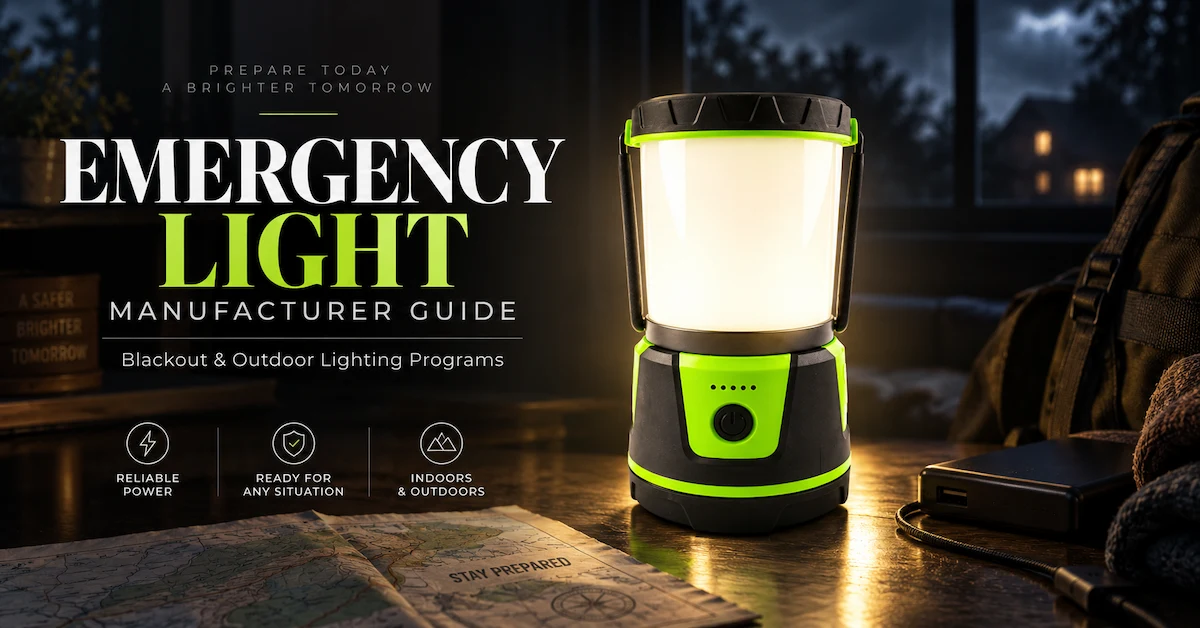


A solar light is not simply a lamp with a small panel attached. Think of it as a tiny power station that has to repeat the same job every night. Sunlight arrives in changing amounts, a battery holds part of it, an LED spends it, and the enclosure has to survive the route from summer heat to winter rain. For a distributor or private-label brand, that chain matters more than a single lumen number or a polished product photograph.
This guide is for buyers comparing a solar light manufacturer for garden, pathway, backup, camping, hospitality and outdoor retail programs. It explains how to define the lighting job, evaluate the solar and battery balance, check product claims, plan OEM packaging, and protect repeat-order consistency. The examples use Brightenlux outdoor lighting capabilities and public category pages as a starting point. Always confirm the current model, test evidence, availability and destination-market requirements before issuing a purchase order.
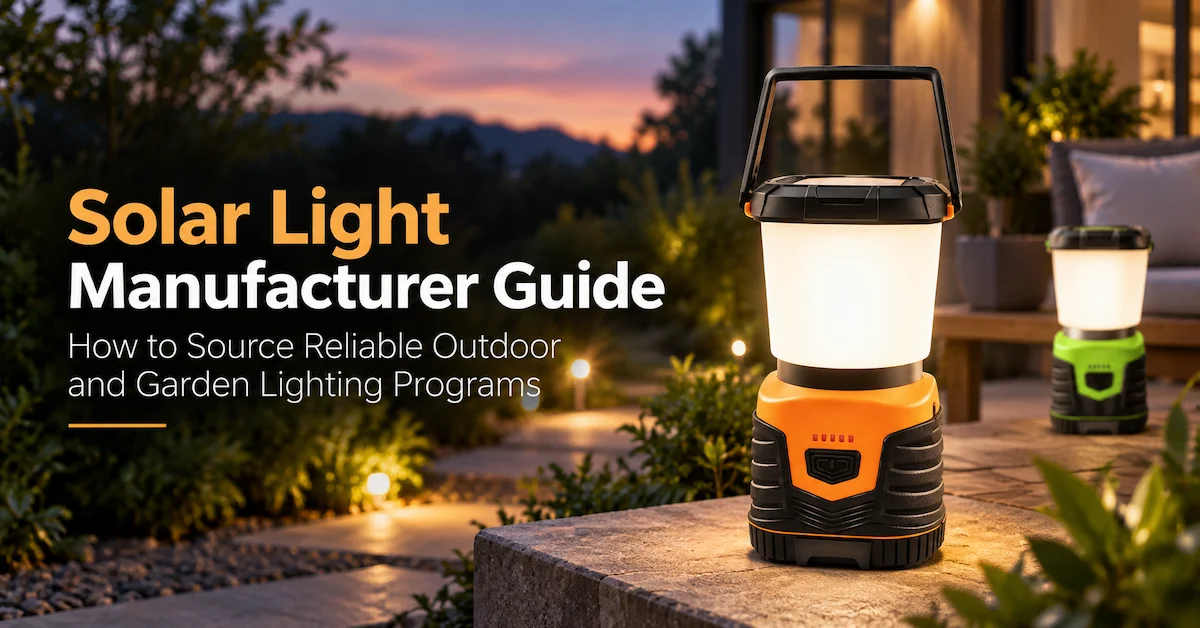
Quick answer: what should a solar light manufacturer help you decide?
A capable solar light manufacturer should help you connect the light output to the available solar resource. That means discussing panel area, battery capacity, charge time, expected hours of useful light, LED output, sensor behaviour, installation angle, weather exposure and the sales promise printed on the carton. It should also tell you which parts are standard, which features require a new mould or electronic change, and which tests support the claims.
The first question is not “How many lumens?” It is “What should the user see, and for how long, after the light has had an ordinary day of sun?” A pathway marker, a garden accent, a security floodlight and an off-grid task lamp all use solar energy differently. If a supplier jumps straight to one catalogue model without asking about location, season, mounting height or nightly operating pattern, the conversation is probably too shallow.
When you compare a solar light supplier, look for a response that separates energy assumptions from marketing language. Ask for the panel type and rated input, battery chemistry and capacity, control mode, low-battery behaviour, expected autonomy, operating temperature and replacement policy. The honest answer may include a range rather than a single runtime. That is useful information, not a weakness.
Define the solar lighting job before you choose the housing
Solar products are often grouped by appearance, even though the user experiences them by task. Start with a short scene description. For example: “A homeowner wants a soft marker along a garden path from dusk until dawn.” Or: “A hotel needs a decorative light that can remain attractive after two cloudy days.” Another buyer may need a motion-triggered light at a garage door, where bright short bursts are more valuable than continuous low output.
Write down five practical details: where the light will be installed, how high it will sit, how much area must be visible, whether people expect continuous or motion-triggered light, and what happens after poor weather. A buyer searching for an LED solar light manufacturer can then request a product architecture that matches the scene instead of comparing unrelated “solar LED” listings.
A solar garden light manufacturer should also ask how the garden is maintained. Sprinklers, pruning, lawn equipment and seasonal furniture can change the panel angle or block the sensor. Include those ordinary events in the brief. A light that is easy to lift, wipe clean and re-seat after maintenance may be more valuable than one with a slightly higher headline output.
Brightenlux's public Solar Light category is the correct place to check the current solar assortment, but it currently shows no goods available. That is an important sourcing signal: ask the team for the latest solar catalogue, sample status and production schedule rather than assuming an old marketplace image represents an orderable SKU. Brightenlux's wider Outdoor Lighting range shows the related product-development and OEM context.
Understand the energy chain: sun, panel, battery and LED
It helps to picture the product as a daily allowance. Daylight adds to the account; the battery carries the balance into the evening; the controller decides when to save or spend; and the LED uses the remaining charge. A brilliant LED cannot rescue a product whose panel or battery is too small for the installation site.
Panel area and daily harvest
Panel wattage is only the first line in the conversation. Orientation, shade, dust, temperature, cloud cover, season and controller efficiency decide how much energy actually arrives. A panel on a sunny roof can collect far more than the same panel under a tree or against a vertical wall. Ask what sunlight assumption produced the quoted charging time and whether the panel is fixed or adjustable.
Battery capacity and usable energy
Read capacity together with voltage, discharge limits, temperature and the controller cut-off. A larger printed number may simply describe energy that the product cannot use in its normal temperature range. Request nominal capacity, chemistry, protection design, expected cycle life and storage guidance. If the pack is replaceable, ask how the replacement is identified and whether the seal still works after service.
LED output and dimming
Solar products often deliver their best experience through a controlled output profile rather than maximum brightness all night. A low continuous level can provide wayfinding, while a motion sensor can reserve energy for a stronger short burst. Ask for a mode table that includes output, sensor trigger, timeout, low-battery dimming and the behaviour after several cloudy days.
Controller logic and protection
Controller logic should stop a user from wasting the stored charge in daylight. Check the dusk sensor, charging cut-off, over-discharge and reverse-polarity protection, plus the reset method. On a branded product, turn those engineering decisions into a short instruction that a customer can follow without tools.
What to ask an outdoor solar light manufacturer
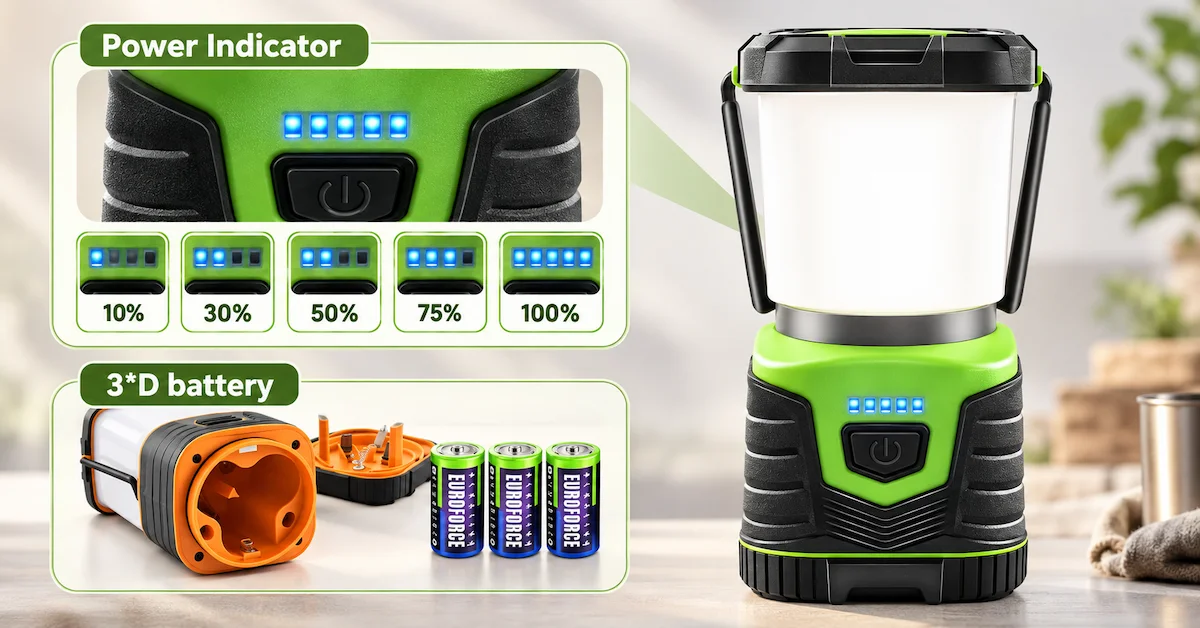
A serious outdoor solar light manufacturer will ask about exposure before it promises an ingress claim. Is the panel mounted flat, angled, vertical or on a pole? Will the light face driving rain, salty air, dust, snow or irrigation spray? Can a user reach the switch without opening the battery compartment? What happens when the panel is shaded by a new plant or an awning?
Discuss the complete outdoor assembly: lens, gasket, panel laminate, cable entry, battery door, screw points, mounting bracket and drainage path. A weather rating is most helpful when it is tied to the actual configuration that will be sold. If the buyer changes the bracket, adds a cable extension or uses a different battery cover, the original test evidence may no longer describe the finished product.
Placement is also a commercial issue. A garden retailer may need a stake, a wall plate and a hanging option across one product family. A hospitality buyer may prefer a weighted base and a finish that matches outdoor furniture. Ask the manufacturer which changes share components and which create a new tool. That answer helps you build a range without multiplying hidden costs.
Comparison table for a solar lighting range
| Product direction | Typical job | Energy and control questions | Commercial decision |
|---|---|---|---|
| Pathway or garden marker | Wayfinding and decorative boundary light | Dusk sensor, low continuous output, stake strength, winter autonomy | Sell as a set, replacement piece or seasonal collection |
| Motion solar floodlight | Door, driveway, garage or security approach | Sensor range, trigger angle, timeout, peak output and battery reserve | Prioritize mounting flexibility and understandable controls |
| Solar lantern or portable light | Camping, balcony, blackout backup or hospitality | Panel location, USB input, runtime modes, handle and storage | Decide whether solar is primary, backup or decorative value |
| Solar work or project light | Off-grid maintenance, remote areas and field programs | Replaceable battery, charging evidence, impact, carry options and service parts | Quote as a system with documentation and spare planning |
This table is a briefing tool, not a promise that every supplier offers every format. It helps a buyer explain why a garden marker and a motion floodlight should not share the same runtime claim. For a solar lighting manufacturer China project, a clear range architecture also makes the quotation easier to compare across factories and channels.
Request a Solar Lighting Range Review
Quality checks that matter before a solar sample is approved
Solar samples deserve a longer observation window than a plug-in lamp. Turn the unit on in the evening, note the mode and brightness, then check its charging response the next day. A short bench demonstration can confirm that the LED works; it cannot show whether the energy balance is sensible after repeated nights.
Run a simple autonomy test
Record the starting battery condition, the panel exposure, the operating mode and the time the light turns on. Repeat the test in more than one mode. If the product uses a motion sensor, record the number of activations and the timeout. The goal is not to create a laboratory certification; it is to compare samples using the same practical routine.
Check charging and low-light behaviour
Test the sensor under a bright lamp and again at natural dusk. A brief panel cover can show whether the switch responds, but it tells you nothing about a long cloudy season. Ask what happens at low charge. Does the unit fade, stop, or cycle on and off? That behaviour belongs in the customer instructions and the warranty discussion.
Inspect the physical weather path
Look closely at the panel edge, gasket, switch, cable entry and battery door. Water usually finds the least dramatic opening. The housing should not rely on a decorative seal that is pinched during assembly. If the buyer wants an IP claim, ask how the exact housing and final assembly will be tested, not merely how a similar model was tested last year.
Review installation and service
Push a stake into firm soil, mount the wall bracket, adjust the panel and remove the battery cover using the supplied tool. Record where the product flexes and whether the user can replace or reset a part without damaging the seal. A good solar product is easier to sell when installation takes minutes and maintenance instructions fit on one clear page.
OEM and private-label options for solar lighting
An OEM solar light manufacturer can add value at several levels. The simplest program may use a standard housing with a logo and retail carton. A more developed program may change the body colour, mounting accessory, diffuser, light mode or battery platform. A full ODM project can begin with a use case and end with a new mould, custom electronics and a market-specific package.
Do not treat a solar logo change as a complete brand program. The panel specification, battery statement, installation diagram, seasonal claim and warranty language all shape the customer's experience. A private-label brand needs a product page that explains what happens on cloudy days, where to place the panel and how motion mode affects runtime. Those details reduce returns more effectively than an oversized “super bright” claim.
When you contact a custom solar light supplier, provide the intended market, installation scene, target price, annual volume, preferred power architecture, colour references, logo artwork, package language and the claims your sales team wants to make. Ask the supplier to label each request as standard, configurable or engineering-dependent. That single habit keeps an attractive sample from becoming an unrealistic promise.
Wholesale planning: create a range customers can understand
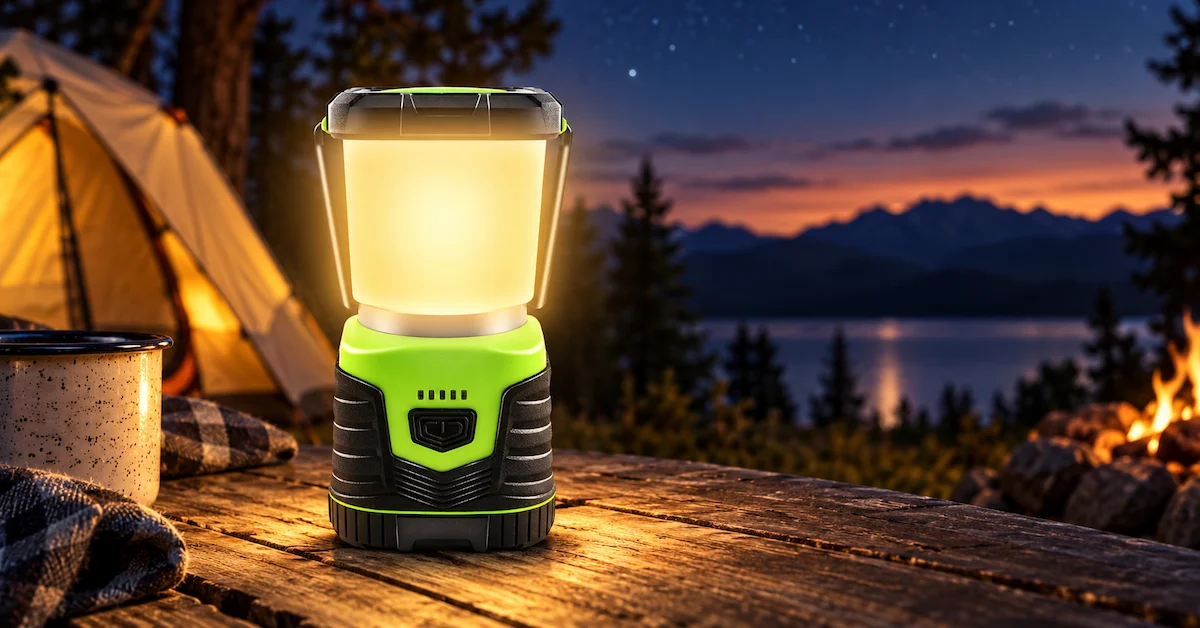
A wholesale solar range should have a clear ladder. One product can serve decorative path lighting, another can provide a stronger motion-triggered beam, and a third can offer a portable or hospitality use case. If every SKU has the same panel, battery and light pattern, the retailer may struggle to explain the difference. If every SKU uses a different charger or replacement part, replenishment becomes expensive.
Before asking for a quote from a wholesale solar lights supplier, calculate more than unit price. Include carton dimensions, seasonal stock, spare batteries or panels, installation accessories, inspection, freight, returns and the cost of replacement parts. Ask whether MOQ applies per colour, per artwork, per battery or across the entire family. Confirm which parts can be shared between models without weakening the end-user proposition.
Plan for the low-sun season in your key market. A product that looks excellent in a summer showroom may produce complaints when days are short or overcast. You can address that honestly through a larger panel, a deeper battery, a dimmer default mode, motion activation or a clearer “hours vary by sunlight” message. A good solar light supplier will help you choose the trade-off instead of hiding it.
Nine-step solar lighting sourcing checklist
- Describe the scene. State the location, mounting height, users, operating hours and weather exposure.
- Choose the lighting job. Decide between path marking, area glow, motion security, portable use or directed work.
- Set the energy target. Define panel area, battery type, desired autonomy and acceptable low-sun behaviour.
- Write the mode table. Record brightness, sensor trigger, timeout, dimming, colour and dusk-to-dawn logic.
- Freeze the housing path. Confirm lens, gasket, panel edge, battery door, bracket, stake and cable entry.
- Test a real sample. Observe charging, night output, low-battery response, installation and repeated use.
- Review the claims. Match IP, runtime, brightness, battery and seasonal wording to evidence for the exact build.
- Approve brand packaging. Include placement diagrams, charging expectations, battery statements and simple troubleshooting.
- Plan replenishment. Confirm MOQ, shared parts, reorder lead time, inspection, warranty and change-control ownership.
This sequence keeps solar sourcing practical. The same notes can feed a product page, a buying guide and a sales reply. When a supplier leaves one point unanswered, write down the gap and decide on it before the sample turns into a commercial commitment.
Send Your Solar Lighting Product Brief
Questions buyers ask before placing a solar lighting order
Does a solar light work after several cloudy days?
It depends on the panel, battery, control mode, local daylight and the product's energy reserve. Ask the manufacturer for the intended operating profile and the low-sun behaviour. A motion-triggered light may preserve energy longer than a high continuous-output lamp, while a dimmed path light may provide a more predictable overnight glow.
Is a larger battery always the best solution?
No. A larger battery can improve reserve, but it may need a larger panel, a longer charge window, more enclosure space or a different protection circuit. The panel, battery, controller and LED should be designed as one energy system. Request the reasoning behind the proposed combination rather than choosing the largest printed capacity.
How should I compare two solar light manufacturers?
Give both suppliers the same scene brief and request the same data: panel, battery, output modes, autonomy assumptions, ingress evidence, sample plan, MOQ and reorder lead time. Compare the clarity and completeness of the response as well as the unit price. A supplier that identifies a trade-off early can be safer than one that simply promises more brightness.
Can I request a custom colour and private-label carton?
Often yes, depending on the housing, finish, MOQ and production method. Ask whether the change uses existing tooling, whether the panel or gasket is affected, and how artwork approval is controlled. The final carton should explain placement, sunlight expectations and battery behaviour in the target language.
What does “weatherproof” mean on a solar product?
It should refer to a defined enclosure and test condition. Request the actual ingress rating, the tested configuration and the operating limits. Keep the public claim narrower if the evidence is narrow. A clear instruction to avoid deep water or shade may prevent more returns than a vague “all-weather” promise.
What should a wholesale buyer keep for a reorder?
Keep the approved sample, specification sheet, panel and battery information, carton artwork, test references, inspection checklist, supplier change log and the exact accessory count. Ask the supplier to notify you before changing the cell, LED, controller, plastic, bracket or packaging. Reorder against the approved reference, not a new catalogue photo.
Turn a solar concept into a dependable product program
The most useful solar range is not the one with the biggest claim. It is the one whose energy system matches the scene, whose installation makes sense, whose packaging tells the customer what to expect and whose supplier can repeat the approved build. Brightenlux's public Solar Light category is the place to check current availability, while the wider outdoor lighting pages show the company's product, design and OEM/ODM context. Because the public solar category can change, confirm the latest model list directly before quoting a customer.
When you contact Brightenlux, include the target market, location, installation scene, operating hours, product format, quantity range, solar and battery preference, brand requirements and timing. The team can then respond with a current product direction instead of an unfiltered catalogue. For a solar light manufacturer project, a precise brief is the fastest route to a realistic sample, a useful quotation and a repeatable order.