

Rechargeable Headlamp Supplier for Outdoor Use: What Buyers Should Check
Buying a rechargeable headlamp supplier for outdoor use is not only about finding a light source. For retailers, private-label brands, and gear buyers, the real test is whether the product still feels dependable when a customer is on a ridge after dark, setting up camp, or moving quickly on a trail. A headlamp that looks acceptable in a catalog but shifts, slips, or feels awkward in motion can become a warranty problem later. The right supplier should understand practical outdoor use, not just product appearance.
What buyers are really sourcing
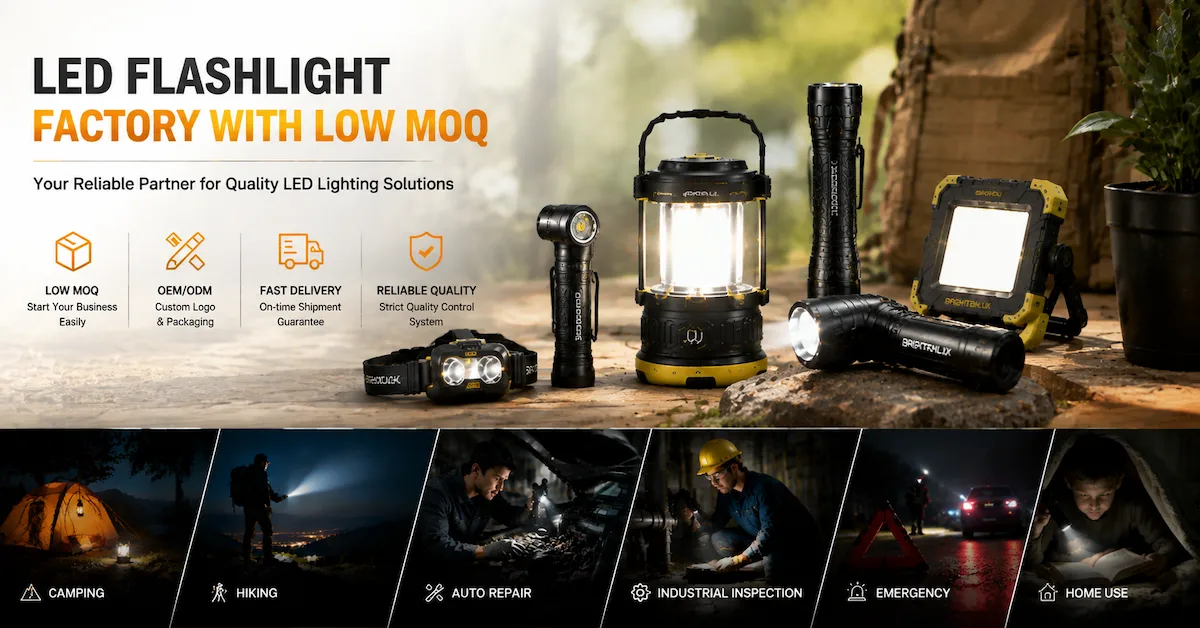
The product here is a wearable LED headlamp with a front-mounted light unit and an elastic strap. That simple structure serves a wide range of outdoor needs because it keeps both hands free while directing light forward. In the visible product information, the lamp fits into trail running, hiking, camping, emergency lighting, and other low-light tasks where a fixed beam is useful.
That matters for sourcing because outdoor buyers are not choosing a generic gadget. They are selecting gear that needs to stay comfortable, stay in place, and remain useful while the user moves. The image also shows the headlamp worn with a hydration vest, which suggests it belongs in the same buying conversation as active outdoor equipment, not only campsite accessories.
Why construction matters more than brightness
It is easy to start with brightness claims, but outdoor users judge a headlamp by behavior. A strong beam is helpful only if the strap holds, the housing stays aligned, and the light does not feel front-heavy after extended wear. A product can look fine on a desk and still fail once the wearer starts jogging, climbing, sweating, or adjusting layers in cold weather.
From the visible design, the lamp uses a black elastic strap, a compact front housing, and a clear lens. That basic layout is common because it balances usability and weight. Buyers should still ask how the strap is stitched, how the housing is built, and whether the attachment point seems ready for repeated flexing. Those details often separate real outdoor gear from disposable electronics.
Quick comparison points buyers should confirm
Before comparing supplier offers, it helps to focus on the features that affect real-world use. The following table keeps the review simple and practical.
| Check | Why it matters | What to confirm |
|---|---|---|
| Fit and stability | Prevents bouncing and slipping during movement | Adjustability, secure strap hold, and wear over caps or beanies |
| Battery and charging | Affects user satisfaction and support questions | Battery type, charging method, and storage expectations |
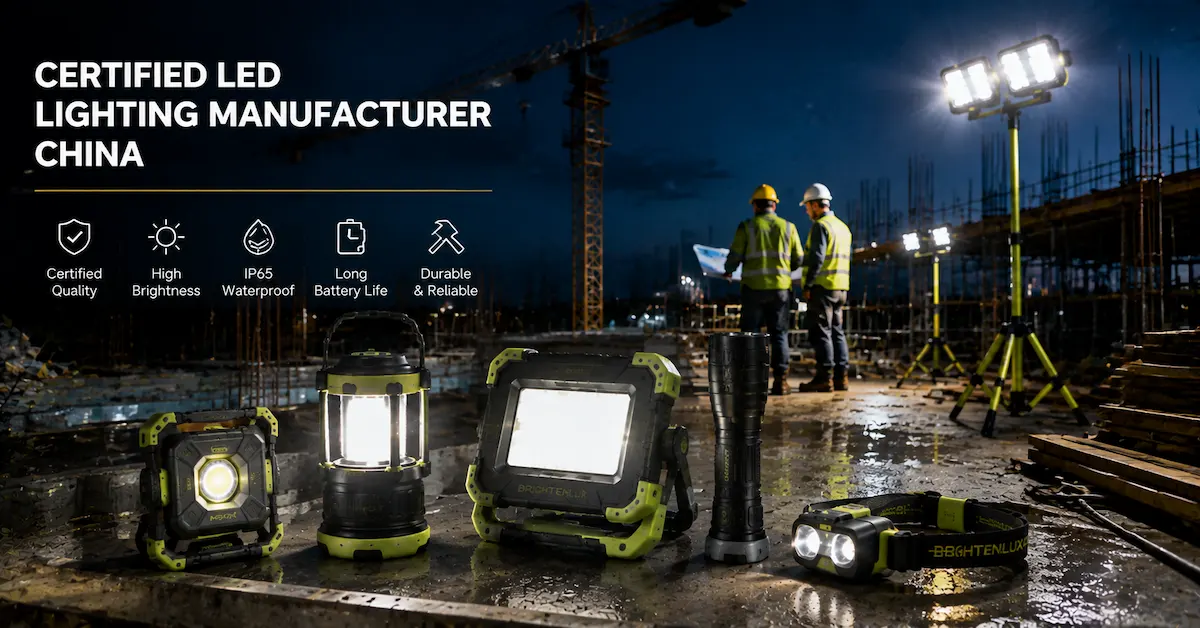
| Outdoor durability | Supports use around moisture, dust, sweat, and packing | Housing material, sealing approach, and general protection story |
| Beam usefulness | Determines whether the lamp fits trails, camp, or mixed use | Beam pattern and intended use case |
None of these checks require a complicated evaluation process, but they do require direct answers. If a supplier is vague on basic construction or battery behavior, the offer is not ready for serious outdoor buying.
How use case changes the buying brief
Night trail running is the most demanding use case. The lamp must remain stable through impact and quick head movement, so retention and comfort matter as much as the light itself. Buyers in this segment usually need a low-profile product that stays centered and is easy to operate while moving.
Camping buyers often want something more flexible. They may use a headlamp for tent setup, cooking, walking at night, or handling an outage. In that setting, comfort and versatility matter more than athletic fit. Hiking and mountain use sit in between. The lamp may be needed for pre-dawn starts, downhill sections after sunset, or emergency backup, so reliability and packability become important.
Questions to ask a supplier before you place an order
Supplier conversations should be practical from the first call. Ask what the housing is made from, even if the answer is broad. Ask how the strap is constructed and whether replacement straps are available. Ask how the beam is focused and whether the lamp is intended for sport, camping, or general outdoor visibility.
You should also ask whether the product is sold as a finished consumer item or as an assembled electronic component with customization options. If you are reviewing a wholesale program, packaging matters too, because outdoor products often need shelf-ready presentation. For direct follow-up, use the contact page or send details through the inquiry form.
Common sourcing mistakes to avoid
The first mistake is buying on brightness alone. A strong beam cannot make up for poor balance or a weak strap. The second is waiting too long to ask about the battery story. That can create surprises in logistics, support, or customer expectations. The third is assuming one headlamp style fits every outdoor segment. A lamp that works for campsite tasks may feel too heavy for running, while a stripped-down running model may not suit family camping or emergency kits.
Another common error is reviewing only a desk sample. Headlamps should be evaluated in motion. If the product does not stay aligned while a tester walks, jogs, bends, and turns, the real user experience is likely to be weak. Outdoor customers notice small comfort problems quickly, especially when they repeat on every outing.
How retail and private-label teams should test samples
Sample testing should mirror the customer’s actual activity. Put the lamp on a tester and have them walk, jog, turn, and bend. Check whether the beam remains aimed where it should, whether the strap creates pressure points, and whether the front unit feels balanced over time. A sample that seems fine for a few minutes can become annoying after a longer session.
Consistency matters as much as appearance. If a supplier can maintain the same fit, finish, and visible beam behavior across batches, that is a stronger commercial signal than a polished one-off sample. If you are narrowing options, start by reviewing the product range on Brightenlux products and then compare the use case you actually sell into.
FAQ
Is this type of headlamp only for runners?
No. The visible design fits night trail running, but it also works for hiking, camping, emergency hands-free lighting, and other low-light outdoor tasks. Buyers should match the model to the use case instead of assuming one version suits every customer segment.
Should I focus first on beam strength or comfort?
That depends on the buyer profile. For runners, comfort and stability usually come first because movement exposes weak fit quickly. For general outdoor use, a balanced beam and dependable wear are more important than any single performance claim.
Can I assume the supplier offers customization?
No. The source material does not confirm private-label support, branding options, or manufacturing services. Those details should be verified directly with the supplier before planning packaging, retail presentation, or any branded program.
What is the smartest next step after reviewing product details?
Request samples and test them in motion, not only on a desk. Then compare fit, charging information, and use-case alignment with the customers you serve. If questions remain, send them through the inquiry form so the supplier can clarify the basics before ordering.