


Direct answer: An OEM packaging project should move through controlled gates: confirmed product configuration, structural sample, artwork proof, production-method sample, pilot pack-out, transport review, inspection release and documented change control.
A camping-lantern package can look finished on a design screen and still fail at the first production handoff. The dieline may fit an early sample but not the approved battery configuration. The printed box may carry the wrong cable or runtime statement. A good insert may become slow to assemble on the packing line. The risk is not a lack of attractive artwork; it is the loss of one controlled product definition as structure, graphics, product, logistics and production move between teams.
This guide is for buyers who already have a lantern direction and now need to release packaging that a factory can reproduce. It begins at the production-intent product, separates structural approval from artwork approval, and follows the work through pilot packing, incoming-material checks, first-article release, carton verification and change control. The purchasing intent is RFQ and supplier comparison: every section identifies evidence that can be requested before an order is released.

Brightenlux product context for this OEM packaging workflow
Ningbo Brightenlux Electric Appliance Co., Ltd. is located at No. 688 Jiyi Industrial Area, Xidian Town, Ninghai, Ningbo, Zhejiang 315613, China. Its public camping-lighting page describes OEM and ODM discussions covering product appearance, packaging and branding for overseas retail, project and private-label programs. Buyers can submit the final model, market, quantity and packaging brief through the Brightenlux contact page.
The workflow below uses the public 2000-lumen rechargeable lantern as the principal product reference and the two 1000-lumen platforms as comparison evidence. Public figures help define the packaging questions, but they do not establish the final packaging MOQ, board grade, print process, tolerances, production lead time or shipment test result. Those details must be attached to the production-intent sample, current quotation and approved packaging specification before release.
Product evidence must precede packaging release
| Brightenlux public platform | Published product evidence | Packaging decision created | Confirm for the RFQ |
|---|---|---|---|
| 1000 lm dry-battery lantern | 42 SMD 3014 + 4 SMD 3030 LEDs; three D cells not included; three color temperatures; dimming; 8-10 hours stated; ABS + PC; IP44; 495 g; 9 × 9 × 18.5 cm | Battery-not-included wording, battery-door protection, tall-box stability and retail explanation | Current model, sample measurements, final pack contents, box dimensions, MOQ and lead time |
| 1000 lm rechargeable lantern | 42 SMD 3014 + 4 SMD 3030 LEDs; three color temperatures; dimming; 4000 mAh 18650 lithium battery with protection; power-bank function | Cable retention, lithium-battery statement, port explanation, accessory count and transport review | Exact cell, charging interface, cable, runtime method, shipping configuration and destination evidence |
| 2000 lm rechargeable lantern | COB LED; white and red modes; dimming; power-bank function; three included 2200 mAh lithium batteries; 6600 mAh total stated; 10-15 hours stated; IP44 | Higher product weight, battery documents, large front-panel hierarchy and stronger insert control | Exact production battery, mode behind runtime, carton mass, pack-out, tests and current availability |
An OEM team should select one approved product platform before freezing packaging. The public 2000-lumen rechargeable lantern page gives the packaging team a real starting point: COB light, several white and red modes, dimming, power-bank function, three included 2200 mAh cells, a stated 6600 mAh total, stated 10-15 hour operation and IP44. The final production sample and order documents still need to confirm each statement, the cell, the supplied cable, pack-out and applicable tests.
A buyer comparing custom camping lantern packaging should treat the box, insert, product, battery statement and shipping carton as one packaged-product system. This is also true for LED camping lantern packaging, rechargeable camping lantern packaging and private label camping lantern packaging. The artwork can change by market, but the approved physical configuration, evidence and claims must remain connected.
For a complete brief, link the camping lantern box design to the intended sales route. Ask the camping lantern packaging manufacturer to distinguish structural protection from graphic design, and make camping lantern retail packaging consistent with the online listing. When product or structure changes are involved, treat the work as OEM camping lantern packaging design with sample, evidence and change-control gates.
Use stage gates instead of one final approval
| Gate | Question answered | Minimum evidence | Release owner |
|---|---|---|---|
| G0 Brief | What product, market, route, quantity and date are being designed for? | Accepted RFQ and product revision | Buyer product owner |
| G1 Structure | Does the blank box and insert fit and protect the complete pack? | Physical blank sample and contact map | Packaging / quality |
| G2 Artwork | Is every claim, language, barcode and identity correct? | Preflighted flat proof | Brand / compliance / buyer |
| G3 Production sample | Does the actual print, finish, fit and scan result meet the target? | Production-method sample | Buyer and factory quality |
| G4 Pilot | Can the line repeat the approved pack efficiently? | Pilot record and first article | Production and quality |
| G5 Shipment | Does the batch, carton and document set match the order? | Final inspection and release note | Buyer-authorized release |
A gate can be proportional to order risk. A neutral-box pilot may not need the same proof sequence as a multilingual premium carton, but it still needs a confirmed product, pack list, identification and release decision. The key is to know which question each approval answers. Approving a rendering does not approve the insert, and approving a blank insert does not approve the printed battery claim.
Nineteen control points from dieline to production release
1. Project brief acceptance
Release decision. Freeze market, channel, quantity, SKU, battery and target date before structural work The required evidence is a signed brief with confirmed and open fields. Put the requirement beside the dieline revision, physical sample and purchase order so that the packaging line is not asked to interpret an old email during production.
Control point. Design starts from a product image while accessories and battery remain undecided Close the risk by hold a read-back meeting and assign an owner to every open item. A short dated record is more useful than a general assurance because it can be checked again during inspection and on the next reorder.
2. Physical product baseline
Release decision. Use a measured production-intent sample The required evidence is dimensions, mass, center of gravity and photographs tied to revision. Put the requirement beside the dieline revision, physical sample and purchase order so that the packaging line is not asked to interpret an old email during production.
Control point. A catalog dimension excludes a handle, cable or tolerance Close the risk by measure the sample that will enter the package. A short dated record is more useful than a general assurance because it can be checked again during inspection and on the next reorder.
3. Dieline ownership
Release decision. Identify who creates, checks, owns and may modify the cutting file The required evidence is versioned dieline with dimensions, bleed, folds and glue areas. Put the requirement beside the dieline revision, physical sample and purchase order so that the packaging line is not asked to interpret an old email during production.
Control point. Several files circulate with the same name Close the risk by use a revision code and retire superseded files. A short dated record is more useful than a general assurance because it can be checked again during inspection and on the next reorder.
4. Blank structural sample
Release decision. Approve fit and opening before graphic design is treated as final The required evidence is unprinted box and insert with actual product. Put the requirement beside the dieline revision, physical sample and purchase order so that the packaging line is not asked to interpret an old email during production.
Control point. Artwork hides an unstable structure or inaccessible accessory Close the risk by record fit deviations before color proofing. A short dated record is more useful than a general assurance because it can be checked again during inspection and on the next reorder.
5. Insert tooling
Release decision. Define cavity, tolerance, material and tooling ownership The required evidence is tool drawing, first-off sample and product contact map. Put the requirement beside the dieline revision, physical sample and purchase order so that the packaging line is not asked to interpret an old email during production.
Control point. A later product tolerance makes the insert too tight Close the risk by approve allowed movement and inspection gauge. A short dated record is more useful than a general assurance because it can be checked again during inspection and on the next reorder.
6. Artwork preflight
Release decision. Check fonts, images, color mode, bleed, overprint and legal copy The required evidence is prepress report and locked print PDF. Put the requirement beside the dieline revision, physical sample and purchase order so that the packaging line is not asked to interpret an old email during production.
Control point. Missing fonts or low-resolution images change the output Close the risk by run preflight before plates or cylinders are made. A short dated record is more useful than a general assurance because it can be checked again during inspection and on the next reorder.
7. Color target
Release decision. Choose an objective physical reference for brand and product colors The required evidence is approved proof, substrate and viewing condition. Put the requirement beside the dieline revision, physical sample and purchase order so that the packaging line is not asked to interpret an old email during production.
Control point. Screen approval does not predict printed orange, green or black Close the risk by sign a production-method target and tolerance discussion. A short dated record is more useful than a general assurance because it can be checked again during inspection and on the next reorder.
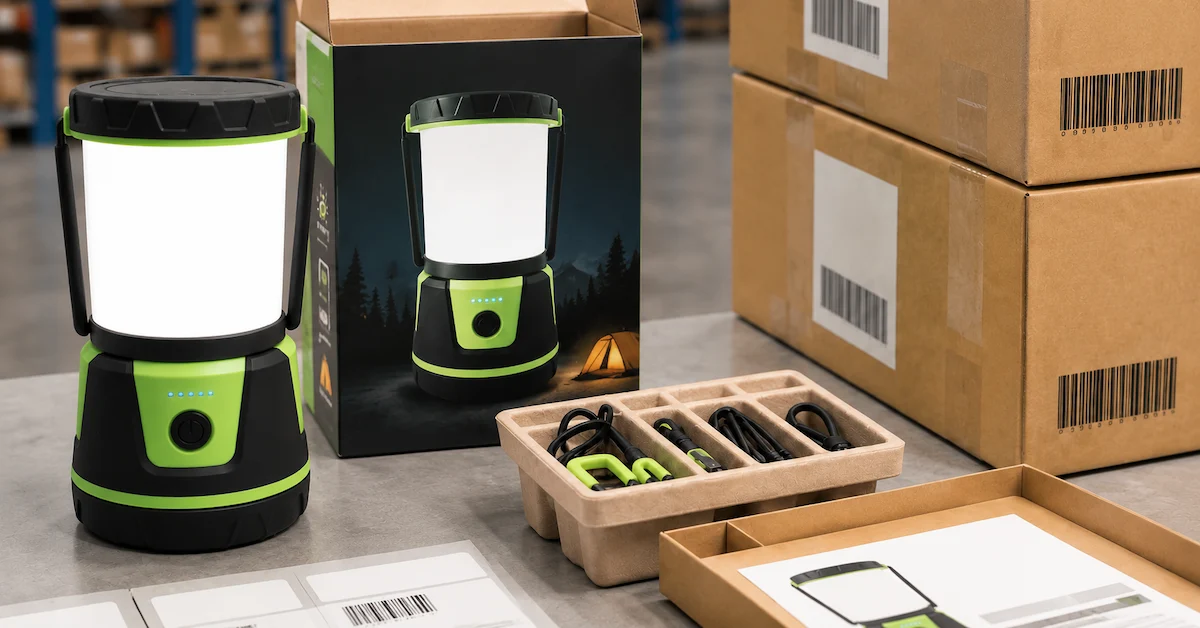
8. Finish trial
Release decision. Test coating, lamination, foil or varnish on folds and barcode areas The required evidence is finished mock-up and rub/fold observation. Put the requirement beside the dieline revision, physical sample and purchase order so that the packaging line is not asked to interpret an old email during production.
Control point. Cracking, scuffing or glare appears after handling Close the risk by move or change finish before production. A short dated record is more useful than a general assurance because it can be checked again during inspection and on the next reorder.
9. Barcode verification
Release decision. Verify symbol and placement after final print method and finish The required evidence is scan result and GS1-aligned implementation. Put the requirement beside the dieline revision, physical sample and purchase order so that the packaging line is not asked to interpret an old email during production.
Control point. A digital proof cannot demonstrate print gain or reflectivity Close the risk by test production samples from the actual run. A short dated record is more useful than a general assurance because it can be checked again during inspection and on the next reorder.
10. Battery wording
Release decision. Align product, package and logistics statement The required evidence is BOM, cell data, pack-out and shipping review. Put the requirement beside the dieline revision, physical sample and purchase order so that the packaging line is not asked to interpret an old email during production.
Control point. Lithium cells are changed or omitted after artwork approval Close the risk by treat battery change as an artwork and transport trigger. A short dated record is more useful than a general assurance because it can be checked again during inspection and on the next reorder.
11. Pilot pack-out
Release decision. Run a small quantity on the intended packing process The required evidence is timed work instruction, accessory count and defect record. Put the requirement beside the dieline revision, physical sample and purchase order so that the packaging line is not asked to interpret an old email during production.
Control point. The sample room builds a package the line cannot repeat efficiently Close the risk by adjust folds, fixtures and sequence before mass packing. A short dated record is more useful than a general assurance because it can be checked again during inspection and on the next reorder.
12. Incoming packaging inspection
Release decision. Define checks for board, print, insert and labels The required evidence is approved sample, material code and measurable limits. Put the requirement beside the dieline revision, physical sample and purchase order so that the packaging line is not asked to interpret an old email during production.
Control point. Wrong revision reaches the line and is discovered after packing Close the risk by quarantine, sample and release each packaging lot. A short dated record is more useful than a general assurance because it can be checked again during inspection and on the next reorder.
13. Line clearance
Release decision. Remove old boxes, labels and manuals before changing SKU The required evidence is documented line-start check. Put the requirement beside the dieline revision, physical sample and purchase order so that the packaging line is not asked to interpret an old email during production.
Control point. A visually similar carton creates mixed-model shipments Close the risk by verify empty line, new materials and first packed unit. A short dated record is more useful than a general assurance because it can be checked again during inspection and on the next reorder.
14. First-article approval
Release decision. Approve the first complete packed unit before volume The required evidence is signed first article with barcode, contents and closure. Put the requirement beside the dieline revision, physical sample and purchase order so that the packaging line is not asked to interpret an old email during production.
Control point. Mass packing repeats an early mistake Close the risk by pause until quality and production agree on the reference. A short dated record is more useful than a general assurance because it can be checked again during inspection and on the next reorder.
15. In-process sampling
Release decision. Check appearance, count, orientation, seal and carton marks during the run The required evidence is sampling plan and defect categories. Put the requirement beside the dieline revision, physical sample and purchase order so that the packaging line is not asked to interpret an old email during production.
Control point. A late paper or label change affects only part of the batch Close the risk by record time, line, quantity and containment. A short dated record is more useful than a general assurance because it can be checked again during inspection and on the next reorder.
16. Master-carton release
Release decision. Verify inner quantity, gross weight, dimensions and marks The required evidence is packed carton and packing-list comparison. Put the requirement beside the dieline revision, physical sample and purchase order so that the packaging line is not asked to interpret an old email during production.
Control point. Freight and pallet plan use estimated data Close the risk by weigh and measure a finished carton. A short dated record is more useful than a general assurance because it can be checked again during inspection and on the next reorder.

17. Transit validation
Release decision. Select screening or simulation from the actual route The required evidence is test plan based on ISTA guidance. Put the requirement beside the dieline revision, physical sample and purchase order so that the packaging line is not asked to interpret an old email during production.
Control point. Passing an informal drop is presented as universal proof Close the risk by define damage criteria before testing and retain the report. A short dated record is more useful than a general assurance because it can be checked again during inspection and on the next reorder.
18. Shipment release
Release decision. Link inspection decision to batch and shipping documents The required evidence is final report, carton photos, counts and deviations. Put the requirement beside the dieline revision, physical sample and purchase order so that the packaging line is not asked to interpret an old email during production.
Control point. Approved deviations are not communicated to receiving Close the risk by issue a release note with open concessions. A short dated record is more useful than a general assurance because it can be checked again during inspection and on the next reorder.
19. Reorder change control
Release decision. Review product, package, supplier, process and route changes The required evidence is change request and retest decision. Put the requirement beside the dieline revision, physical sample and purchase order so that the packaging line is not asked to interpret an old email during production.
Control point. Old artwork or insert is reused after a component change Close the risk by trigger impact review before materials are ordered. A short dated record is more useful than a general assurance because it can be checked again during inspection and on the next reorder.
Define packaging defects before inspection
| Defect family | Critical example | Major example | Minor example | Control method |
|---|---|---|---|---|
| Identity | Wrong model, battery warning or destination language | Wrong barcode or missing manual | Small non-functional alignment shift | First article plus barcode and text check |
| Protection | Product cannot be safely contained | Broken insert, exposed diffuser or loose accessory | Small cosmetic insert mark | Fit check and packed-product test |
| Required warning unreadable | Severe color, missing panel or coating failure | Small scuff outside primary display | Approved color/print sample and lighting condition | |
| Pack count | Incorrect battery or hazardous configuration | Missing cable, manual or unit | Non-critical packing presentation variation | Count fixture, weight check and sampling |
| Carton | Wrong shipping marks or unsafe closure | Incorrect quantity, crushed carton or weak seal | Minor cosmetic mark | Finished-carton measurement and release |
The buyer and supplier should agree on defect definitions, sampling and disposition before inspection. This article does not prescribe an acceptance-quality level for every order because risk, contract and channel differ. The order-specific inspection plan should identify sample size, defect classification, pass/fail rule, rework authority, reinspection and the decision owner.
Manage lithium-battery packaging as a cross-functional decision
Rechargeable lantern packaging involves the product team, packaging designer, logistics partner and market compliance adviser. The current IATA lithium battery guidance distinguishes batteries contained in equipment from batteries packed with equipment. The route, cell configuration, watt-hour value, quantity, state of charge where applicable, carton and carrier requirements must be reviewed for the exact shipment. A decorative battery icon is not a shipping classification.
If the cell, cable, power-bank configuration or pack-out changes after the carton is printed, reopen the artwork and transport review. Check the product page, instructions, invoice, retail statement and shipping file together. This discipline prevents the most damaging packaging error: a consumer-facing promise and a logistics document describing different products.
Production workbook: records that make the approved package repeatable
Packaging-material receipt
Release trigger. A new delivery of printed cartons, inserts or labels arrives. At the line or inspection point, compare supplier, purchase order, revision, quantity, material identity, print appearance and obvious transport damage before release. The check should use the same name and revision shown on the purchase order, packing instruction and approved sample. If the operator must guess which file is current, the document system has already failed.
Containment and traceability. Segregate unverified material and prevent it from reaching the packing line until the disposition is signed. Retain receipt photos, sampled dimensions, lot identity and the release result. The record does not need to be elaborate, but it must identify the batch, time, quantity affected, decision owner and disposition. That information protects the current shipment and shortens root-cause work on a reorder.
SKU changeover
Release trigger. The line moves from a dry-battery lantern to a rechargeable configuration or changes language artwork. At the line or inspection point, clear old cartons, labels, manuals, cables and product before bringing the new materials to the station. The check should use the same name and revision shown on the purchase order, packing instruction and approved sample. If the operator must guess which file is current, the document system has already failed.
Containment and traceability. Stop and reconcile any unexplained remainder because it can create mixed packs or an incorrect battery statement. Retain line-clearance checklist and first-unit photograph. The record does not need to be elaborate, but it must identify the batch, time, quantity affected, decision owner and disposition. That information protects the current shipment and shortens root-cause work on a reorder.
First packed unit
Release trigger. The approved materials and current product meet at the production line for the first time. At the line or inspection point, open, inspect and compare the complete first article with the golden sample, artwork proof and pack list. The check should use the same name and revision shown on the purchase order, packing instruction and approved sample. If the operator must guess which file is current, the document system has already failed.
Containment and traceability. Do not allow volume packing while a barcode, manual, cable, orientation or closure question remains open. Retain signed first-article sheet and sealed reference pack. The record does not need to be elaborate, but it must identify the batch, time, quantity affected, decision owner and disposition. That information protects the current shipment and shortens root-cause work on a reorder.
Print drift check
Release trigger. A long print or packing run can include color, coating, registration or label changes. At the line or inspection point, sample from the beginning, middle and end of relevant lots and compare under the agreed viewing condition. The check should use the same name and revision shown on the purchase order, packing instruction and approved sample. If the operator must guess which file is current, the document system has already failed.
Containment and traceability. Identify the last known good sample, segregate the affected quantity and decide whether rework or rejection is required. Retain time-stamped samples, quantity range and disposition. The record does not need to be elaborate, but it must identify the batch, time, quantity affected, decision owner and disposition. That information protects the current shipment and shortens root-cause work on a reorder.
Accessory verification
Release trigger. Cables, manuals and market labels are packed manually or from separate bins. At the line or inspection point, use a fixture, counted kit or weight-based check validated for the configuration. The check should use the same name and revision shown on the purchase order, packing instruction and approved sample. If the operator must guess which file is current, the document system has already failed.
Containment and traceability. Stop the line when an omission is found until the range of affected product is understood. Retain pack count, check frequency and any reinspection result. The record does not need to be elaborate, but it must identify the batch, time, quantity affected, decision owner and disposition. That information protects the current shipment and shortens root-cause work on a reorder.
Carton closure
Release trigger. Retail boxes and master cartons are sealed with glue, labels or tape. At the line or inspection point, verify location, adhesion, appearance and opening behavior after the specified setting time. The check should use the same name and revision shown on the purchase order, packing instruction and approved sample. If the operator must guess which file is current, the document system has already failed.
Containment and traceability. Contain boxes with lifted seals or damaged artwork and review adhesive, surface and line pressure. Retain closure sample, material lot and environmental condition. The record does not need to be elaborate, but it must identify the batch, time, quantity affected, decision owner and disposition. That information protects the current shipment and shortens root-cause work on a reorder.
Master-carton count
Release trigger. Finished retail boxes are loaded for shipment. At the line or inspection point, count the exact SKU, check orientation, void space, gross weight, dimensions and carton marks against the packing instruction. The check should use the same name and revision shown on the purchase order, packing instruction and approved sample. If the operator must guess which file is current, the document system has already failed.
Containment and traceability. Hold cartons that fall outside the expected weight or carry an obsolete mark until opened and reconciled. Retain measured carton, scale ID, count and pallet position. The record does not need to be elaborate, but it must identify the batch, time, quantity affected, decision owner and disposition. That information protects the current shipment and shortens root-cause work on a reorder.
Final pre-shipment review
Release trigger. Packing is complete and shipping documents are prepared. At the line or inspection point, compare batch, battery pack-out, carton quantity, gross weight, labels, inspection outcome and commercial invoice. The check should use the same name and revision shown on the purchase order, packing instruction and approved sample. If the operator must guess which file is current, the document system has already failed.
Containment and traceability. Do not release when consumer packaging and logistics documents describe different battery configurations. Retain release note, representative photos, approved deviations and shipment reference. The record does not need to be elaborate, but it must identify the batch, time, quantity affected, decision owner and disposition. That information protects the current shipment and shortens root-cause work on a reorder.
The production workbook should be reviewed after the first commercial shipment. Compare inspection findings with receiving damage, barcode issues, customer questions and warranty symptoms. A perfect final inspection cannot detect every distribution or communication problem, so post-launch evidence belongs in the next revision. Assign each observation to structure, artwork, product, packing process, route or customer instruction. Then decide whether the action is a training change, packaging correction, product change or retest. Closing that loop is what turns a packaging approval into a repeatable OEM system rather than a one-time successful sample.
A supplier-comparison scorecard for OEM packaging
| Capability | Evidence request | Why it matters | Score question |
|---|---|---|---|
| Structural design | Measured dieline, blank sample and insert contact map | Protects product and controls cube | Can the team explain each support point? |
| Artwork control | Preflight, versioning and approval record | Prevents wrong claims and mixed revisions | Is there one current file and owner? |
| Print and material | Codes, proof method and incoming criteria | Supports repeat color and strength | Are material substitutions controlled? |
| Pilot process | Work instruction, first article and time study | Makes the design repeatable | Can the line pack it without improvising? |
| Quality | Defect definitions, sampling and batch traceability | Enables release and root-cause analysis | Can a complaint be tied to a batch? |
| Logistics | Final cube, weight, pack-out and transport review | Protects landed cost and shipment acceptance | Do carton and documents describe the same build? |
| Change control | Notice, impact assessment and approval path | Protects reorders | What happens when a component changes? |
Frequently asked questions
What should I send first for a camping lantern packaging quotation?
Send the exact product link or sample code, destination market, sales channel, order quantity, battery configuration, included accessories, target launch date, preferred box type, languages and barcode requirement. Ask the supplier to separate confirmed facts from assumptions and to quote standard, pilot and custom options.
Is there a universal packaging MOQ?
No. The product order, paper stock, print method, color, finish, insert, language version and printer setup can have different minimums. Request the MOQ per box design and per SKU, plus a neutral-box or label-based pilot option when the printed-box minimum is too high.
Should the box show the highest lumen value?
Only when the value applies to the exact production configuration and the measurement basis is supportable. The front panel should pair the verified headline with the use case, power type and key differentiator. Avoid implying that peak output is sustained for the full published runtime.
How should a lithium-battery lantern be described?
State whether the battery is installed, packed with the product or omitted; identify the supplied charging accessory; and make the product, carton, invoice and transport file agree. The freight specialist must confirm current route and carrier requirements for the exact pack-out.
Do I need a physical packaging sample?
Yes for a serious retail or e-commerce launch. A PDF proof checks text and placement, but it cannot prove fit, opening force, insert retention, surface appearance, barcode scan quality or protection. Approve a production-intent pack before mass printing.
Which packaging test should be used?
Select a test from the real distribution route and damage risk. ISTA explains that screening, partial-simulation and general-simulation procedures serve different purposes. Ask a qualified packaging professional or test laboratory to select the applicable procedure rather than claiming a test based only on box size.
Can one box serve several lantern models?
Sometimes, if dimensions, mass, accessory count, battery wording and claims are genuinely compatible. A shared outer structure with model-specific labels can reduce inventory, but do not hide different batteries or instructions behind a generic package.
What should be checked at final inspection?
Check the approved artwork revision, model and barcode, print condition, box dimensions, insert, product orientation, accessory count, battery statement, manual language, carton quantity, carton marks and closure. Link findings to the batch and retained sample.
How many packaging samples are needed before production?
Use enough samples to answer each risk: a blank structure for fit, a graphic proof for copy, a production-method sample for color and finish, and a pilot quantity for line repeatability. Transit test sample count should follow the selected procedure and confidence need; one passing sample does not guarantee every future package.
When should packaging be retested?
Review retesting when the product, mass, center of gravity, accessory count, package structure, material, closure, supplier, packing process or route changes. ISTA explicitly notes that product, package and process changes can trigger retesting. Document the impact decision.
Who should approve the final package?
At minimum, the buyer's product/brand owner and the factory's quality or authorized release owner should approve their responsibilities. Battery, logistics, regulatory and retailer specialists should approve applicable areas. One person can coordinate, but no single visual proof covers every risk.
Send an OEM RFQ that can move directly into controlled development
Provide the product model and revision, exact pack list, battery status, target market, channel, quantity by SKU, forecast, brand files, languages, barcode data, package style, insert preference, finish, test expectation, inner and master-carton needs, sample stages, inspection plan and launch date. Ask the supplier to return deviations, assumptions, MOQ by customization, one-time costs, sample timing, production timing and the person responsible for each deliverable.
Brightenlux buyers can link the desired public product, explain the destination program and ask which current configuration supports the packaging brief. A complete request allows the factory to discuss the real model, current materials, print route, sample sequence and shipment plan instead of guessing from a reference picture.