

LED Headlamp Manufacturer Guide for Industrial Maintenance
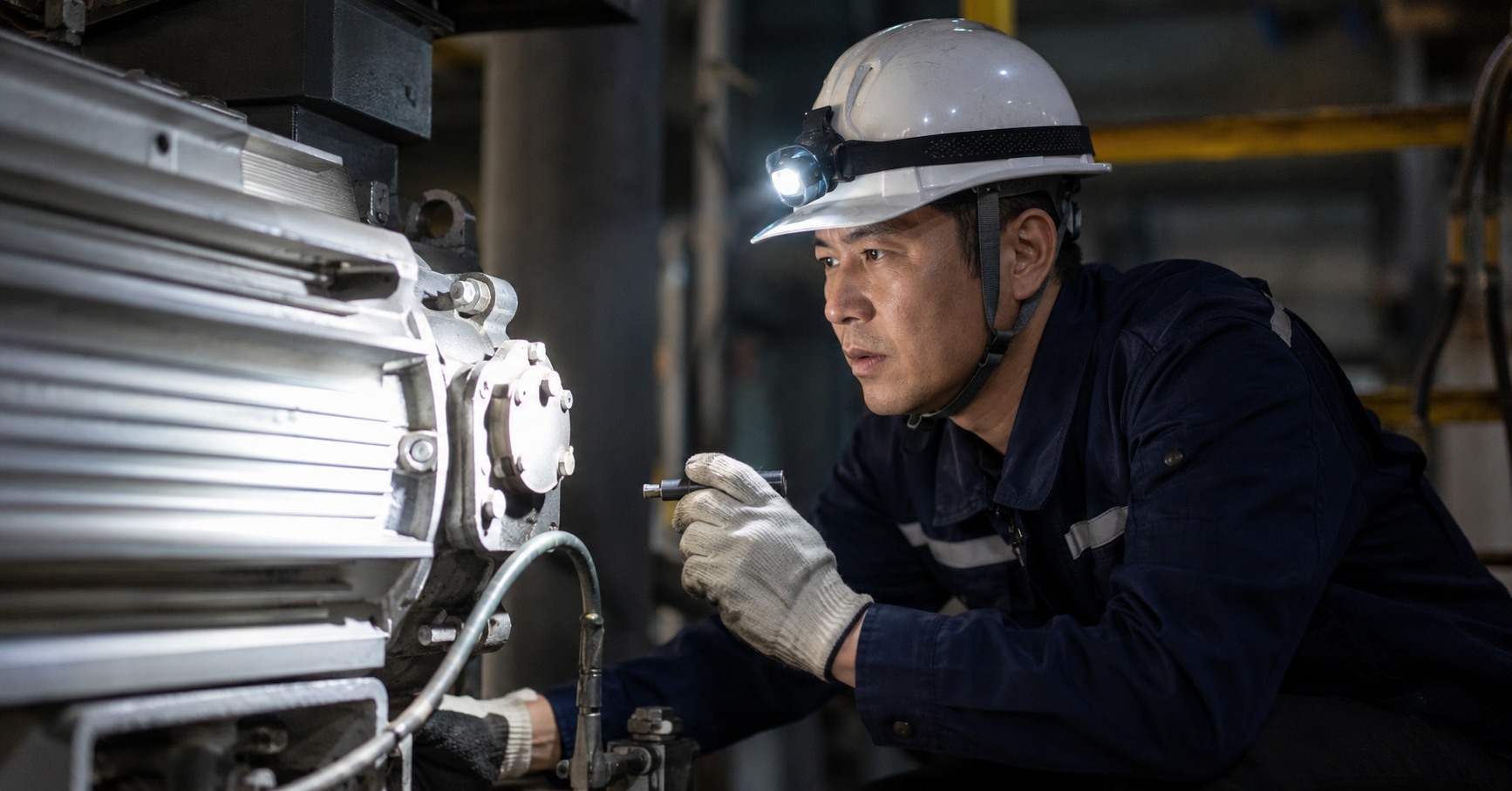
An LED headlamp manufacturer serving industrial maintenance buyers is not simply providing a wearable light. In plant inspection, repair, and equipment checks, the headlamp becomes a hands-free work tool. Technicians may be crouched beside a motor housing, looking into a compressor bay, or checking a pump assembly while holding tools with both hands. A weak handheld torch can shift, cast shadows, or disappear from the work area. A practical LED headlamp helps workers see fasteners, oil seepage, cracks, labels, conduit, and tight mechanical interfaces more clearly.
Why Industrial Maintenance Sets Different Lighting Requirements
Industrial maintenance is different from camping, jogging, or household lighting use. The work environment may include grime, vibration, hard metal edges, reflective surfaces, hoses, cables, bolted covers, cooling fins, and cramped inspection points. These conditions place real demands on a headlamp. It must support close-range work, frequent angle changes, and extended wear under a hard hat or over other PPE. For buyers, the key question is not whether a headlamp looks bright in a product photo. The question is whether it remains useful when the user is wearing gloves, coveralls, goggles, and hearing protection. In many maintenance jobs, beam control and comfort matter more than a dramatic headline brightness claim.
Core Features Buyers Should Evaluate First
A maintenance headlamp should keep both hands free while directing light where the worker is looking. That simple goal depends on several design details. The mount must stay stable when the user bends, turns, or works in a confined position. Controls should be easy to operate with gloves, without being so sensitive that they switch on or change modes accidentally. The beam should support broad illumination for general inspection and a narrower view for reading labels, checking fittings, or locating wear marks. Battery behavior is also important. Industrial users value predictable operation and a charging routine that does not create confusion across shifts. A headlamp that fades suddenly during a short machine check can slow work and create frustration.
Compact Comparison Checklist for Procurement Teams
Procurement teams often balance brightness, battery behavior, weight, durability, cost, and user preference. A practical way to compare options is to begin with the task, not the catalog description. Routine rounds, shutdown maintenance, emergency repair, and detailed inspection inside machinery compartments may each require a different balance of comfort, beam shape, and simplicity. For recurring plant use, durability and wearing comfort often outrank flashy output. For short service tasks, compactness and quick access may carry more weight. Use the checklist below when reviewing samples from an LED headlamp product range.
| Evaluation Point | Why It Matters |
|---|---|
| Head stability | Prevents shifting during bending or close inspection. |
| Glove-friendly controls | Supports adjustment while one hand remains on a tool or machine. |
| Beam usability | Helps with both broad viewing and focused inspection. |
| PPE compatibility | Reduces conflict with hard hats, goggles, and face shields. |
| Charging routine | Helps crews manage use across repeated shifts. |
How LED Technology Supports Inspection Work
LED lighting fits maintenance work because it provides efficient illumination in a compact form. That matters when the user is already wearing a helmet and other protective equipment. A smaller, wearable light source can be easier to position than a handheld torch, especially around machinery compartments. LED design also allows practical beam shaping, helping workers move from general area viewing to inspection of a specific mechanical interface. Around rotating equipment and bolted assemblies, visibility depends on contrast as much as brightness. Workers need to see whether a gasket edge is wet, whether a fastener is missing, or whether a cable is rubbing against a surface. Harsh glare can flatten detail, while dim light hides it. A useful headlamp makes surfaces easier to read.
Common Mistakes When Sourcing LED Headlamps
One frequent sourcing mistake is treating all headlamps as interchangeable. A lamp suitable for a warehouse picker may not suit a maintenance fitter working around a motor base or access cover. Another mistake is focusing only on maximum output while ignoring balance, beam pattern, controls, and fit with PPE. If a headlamp conflicts with a hard hat brim, goggles, or face shield, workers may avoid using it. Standard equipment that feels awkward often ends up unused. Buyers should also avoid overbuying complicated features that the job does not need. In industrial purchasing, simplicity can be an advantage. A straightforward headlamp that stays secure, is easy to charge, and performs consistently may be more valuable than a feature-heavy model that creates confusion.
Questions to Ask an LED Headlamp Supplier
When speaking with an LED headlamp supplier, ask about the intended use case before discussing appearance or general claims. How does the product behave when the user wears gloves? How secure is the mount during bending, turning, and repeated adjustment? Is the charging method easy to manage for teams working across shifts? Can the headlamp be worn with the PPE already used on site? Buyers should also ask about repeat purchasing and product continuity, because industrial teams often need the same or compatible equipment for additional crews or locations. If the supplier can only discuss consumer convenience, that may be a warning sign. For project discussion, buyers can reach Brightenlux through contact support or submit details through the inquiry page.
Sample Testing Before Wider Deployment
A sample should be tested in the same conditions where it will be used. Holding a headlamp in an office or conference room is not enough. The user should wear it with the actual hard hat, goggles, gloves, coveralls, and other site equipment. They should bend over a housing, look into a cramped assembly, operate the controls with gloves, and check whether the beam lands where the eyes naturally focus. Comfort also needs time to judge. A lamp that feels acceptable for two minutes may become distracting during a longer inspection. Feedback from maintenance technicians is valuable because they notice practical issues that a purchasing sheet may miss, such as strap movement, switch access, glare, or interference with nearby PPE.
The Bottom Line for Maintenance Buyers
The right industrial headlamp is one workers trust when visibility matters and both hands are occupied. It should stay comfortable, remain stable, and provide clear light where the work is happening. For sourcing managers, the best evaluation approach is to compare suppliers on fit for maintenance tasks rather than headline brightness alone. Look at beam usability, PPE compatibility, charging routine, control design, and build quality suitable for repeated handling. A reliable LED headlamp factory should understand that industrial lighting is part of a working system that includes people, tools, machines, and site procedures. When a headlamp supports that system well, inspections become easier to complete, and crews are less likely to revisit a task because they could not see clearly the first time.
FAQ: Industrial LED Headlamp Selection
Is brighter always better for industrial maintenance?
No. For maintenance work, usable beam pattern, comfort, and control are often more important than peak brightness. Too much glare can make close inspection harder by flattening surface detail. Buyers should evaluate whether the light helps workers see fasteners, leaks, labels, wear marks, and tight spaces clearly.
Should plant maintenance headlamps differ from general outdoor headlamps?
Yes. Plant maintenance usually requires better compatibility with hard hats, goggles, gloves, and other PPE. The lamp must remain stable during bending and close-range work. Outdoor convenience features may be less useful than simple controls, secure mounting, and a beam suited to equipment inspection.
What is the first thing to check in a headlamp sample?
Test the sample with the actual gear used on site. A headlamp can look fine in the hand but fail during work if it shifts, pinches, causes glare, or interferes with a hard hat, goggles, or face shield. Real-use fitting should come before wider purchasing.
How should buyers compare LED headlamp manufacturers?
Start with the maintenance task and working environment. Then compare manufacturers on beam usability, comfort, mounting stability, glove-friendly operation, charging routine, PPE fit, and support for repeat purchasing. Avoid relying only on product photos or broad brightness claims, because industrial conditions expose weak design choices quickly.