

How to Select and Use LED Flashlights for Different Environments
Understanding LED Flashlight Technology
LED flashlights work by using light-emitting diodes instead of traditional filament bulbs. This design offers higher efficiency, longer lifespan, and greater resistance to vibration and shock. Compared to older bulb types, LEDs can deliver the same or greater brightness with a fraction of the power consumption, making them ideal for both high-intensity and extended use.
Key technical benefits include:
-
Lumen efficiency: High lumen output with lower energy draw
-
Thermal management: LEDs generate less heat, improving safety and comfort
-
Durability: Solid-state components are resistant to drops and rough handling
Matching Flashlight Features to Your Use Case
Outdoor and Camping
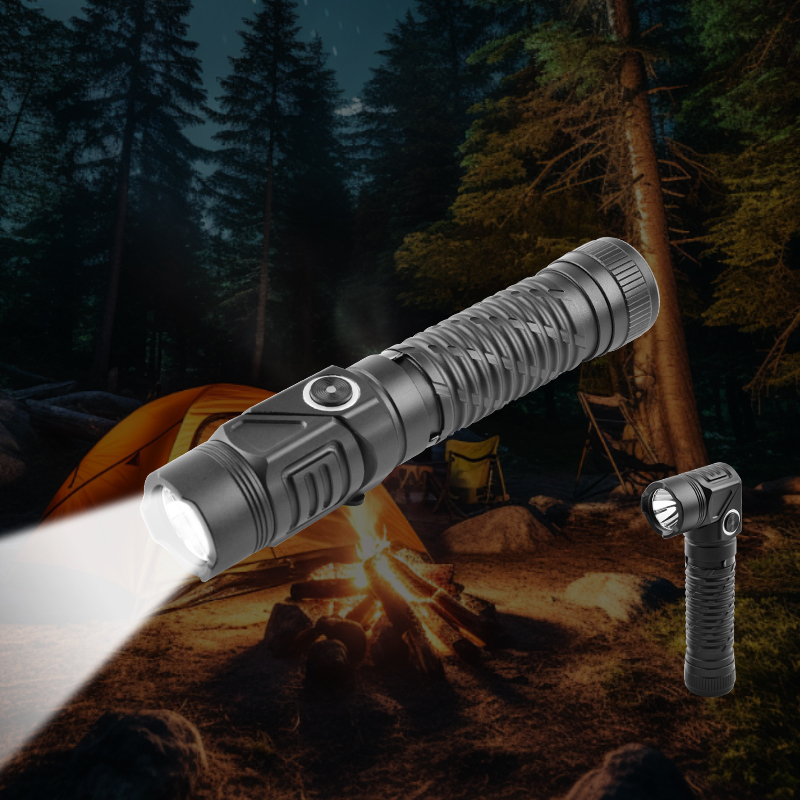
For camping or hiking, select a flashlight with:
-
Adjustable beam focus for switching between flood and spot lighting
-
High lumen range (1000–2000 lumens) for navigating dark terrain
-
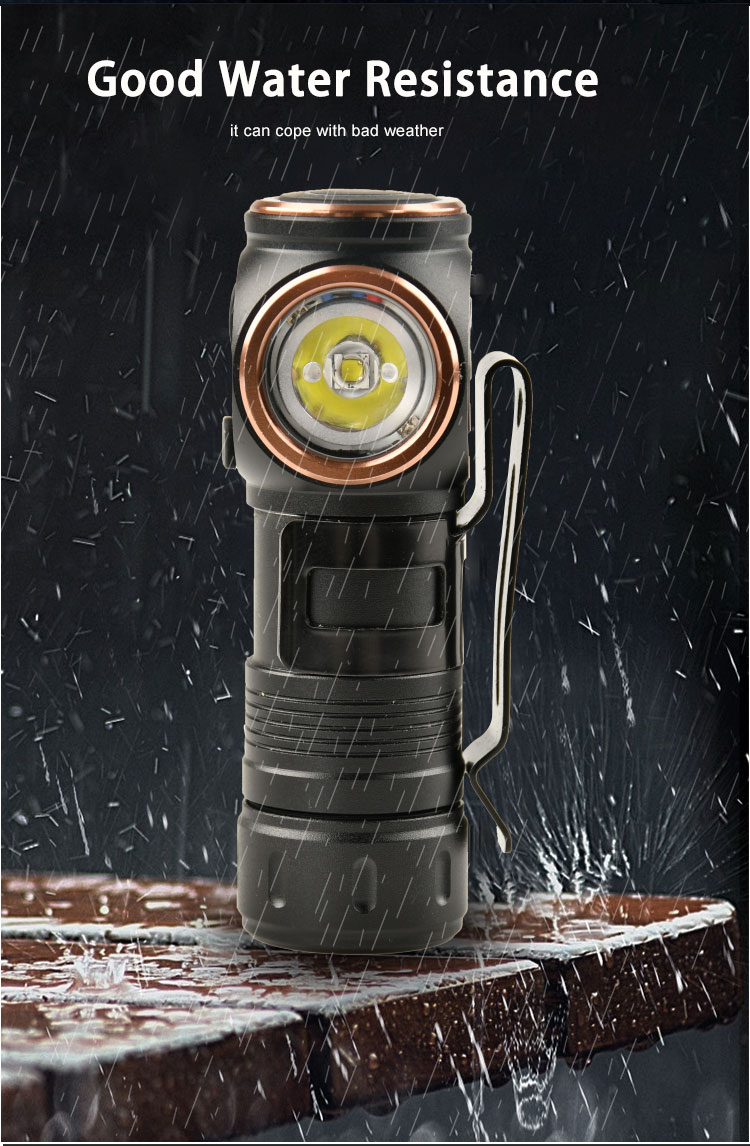
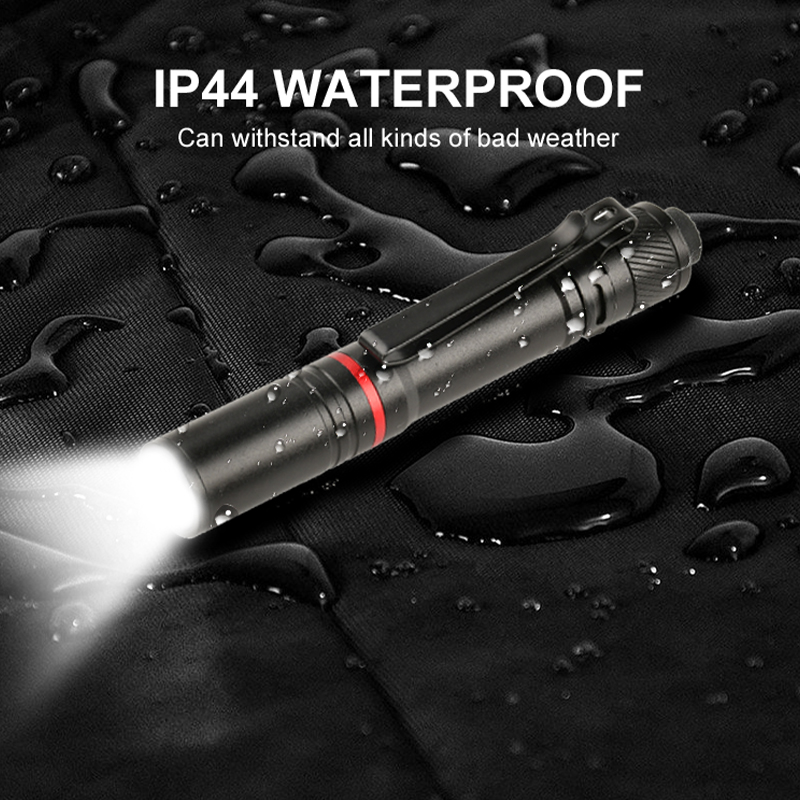
Waterproof rating of at least IPX5 to handle rain and splashes
-
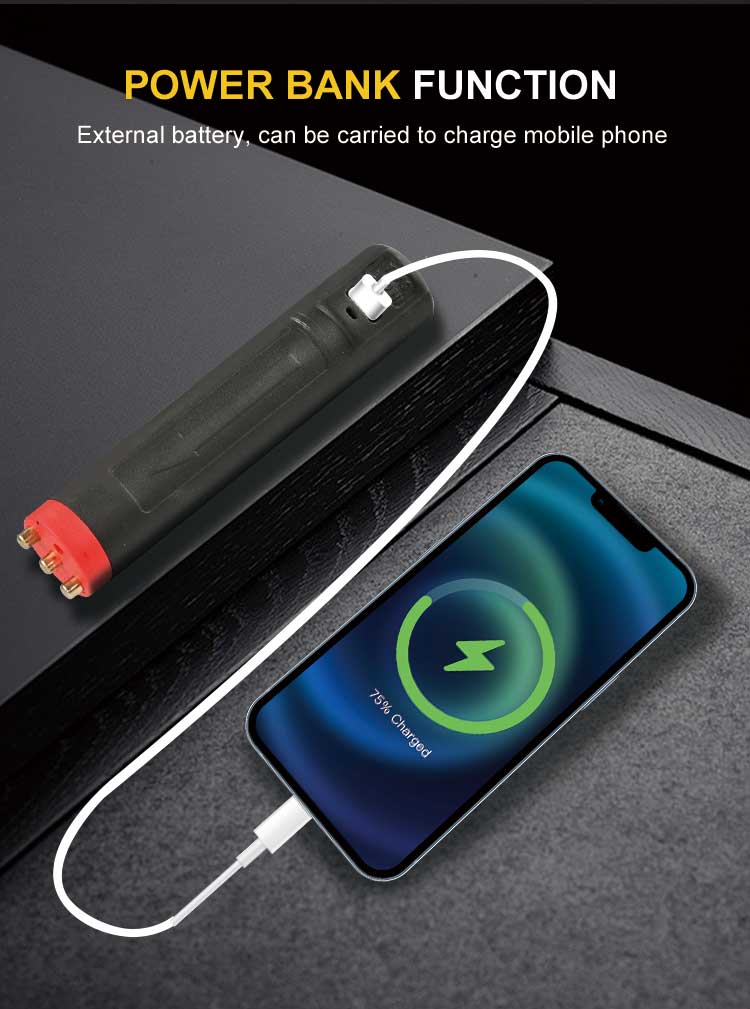
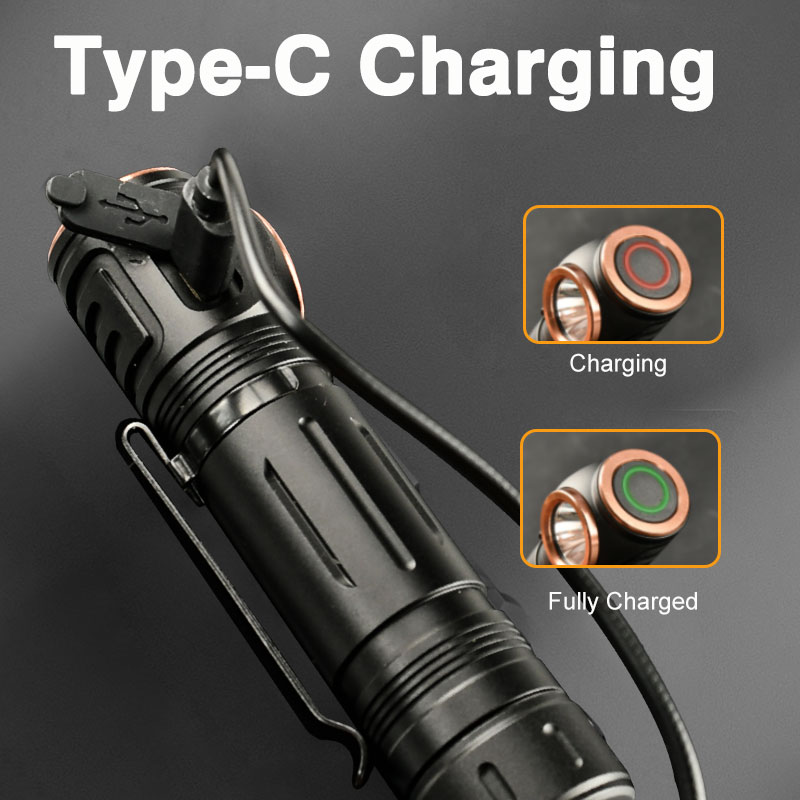
Rechargeable battery with USB or solar charging for remote trips
Industrial and Work Environments
In mechanical workshops, construction sites, or maintenance tasks, look for:
-
COB LED panels for wide, even light coverage
-
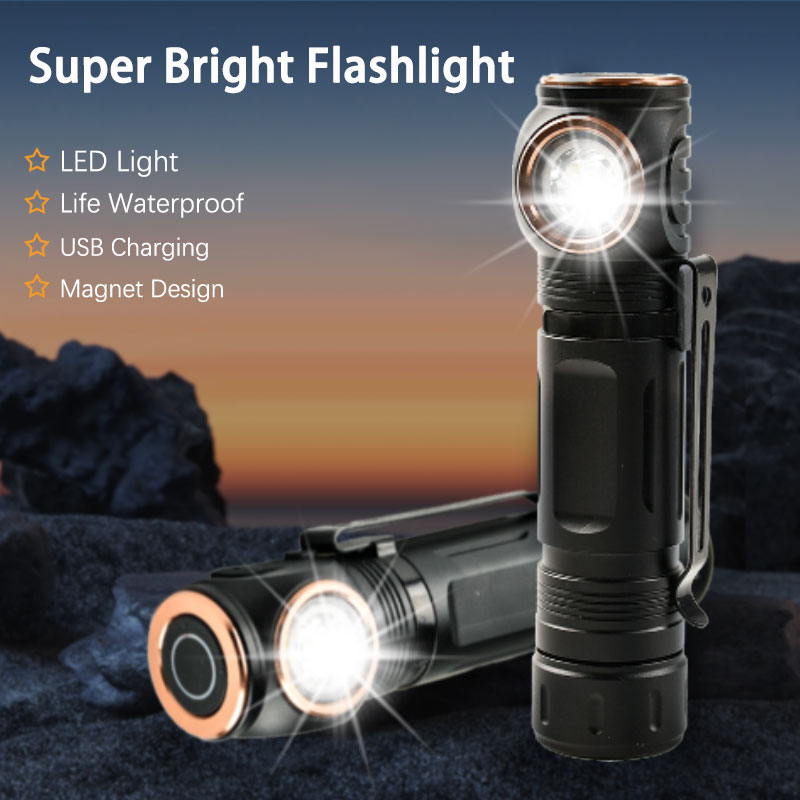
Magnetic base or clip for hands-free operation
-
Impact resistance tested to at least 1–1.5 meters
-
Multiple brightness modes for adapting to different tasks
Tactical and Security Use
For security personnel or tactical applications:
-
Strobe mode for signaling or disorientation
-
High lumen output (2000+ lumens) for maximum visibility
-
Anti-roll design to prevent the flashlight from moving on uneven surfaces
-
Hard anodized finish for abrasion resistance
Home and Emergency Preparedness
For household and emergency kits:
-
Long runtime at medium brightness for power outages
-
Low-battery indicator for timely recharging
-
Multiple power sources (rechargeable + replaceable batteries)
-
Integrated SOS mode for signaling in distress situations
Understanding Key Technical Specifications
-
Lumens: Measures total light output; higher values mean brighter light, but may reduce runtime at maximum settings.
-
Candela: Indicates beam intensity; important for long-distance visibility.
-
CRI (Color Rendering Index): A higher CRI (above 80) shows colors more accurately, useful for inspection tasks.
-
IP Rating: Defines dust and water resistance; IPX4 for light rain, IPX7 for submersion, IP68 for dustproof and waterproof protection.
-
Battery Chemistry:
-
Li-ion: High capacity, rechargeable, lightweight
-
NiMH: Rechargeable, stable performance, slightly heavier
-
Alkaline: Readily available, single-use
-
Why Brightenlux LED Flashlights Perform in All Scenarios
Brightenlux designs LED flashlights with precision-engineered optics, reinforced housings, and strict quality control. The product line includes rechargeable, waterproof, high-lumen, and tactical-grade models, each tested for durability and performance to suit outdoor, professional, and emergency needs.
Selecting Based on Real-World Needs
When choosing your LED flashlight, always start from your primary environment—whether it’s the outdoors, industrial sites, security patrols, or home emergency use. Match the technical specifications to the environment’s demands, and invest in a model that combines performance with durability.
Explore our LED flashlight range or contact us for OEM/ODM solutions.