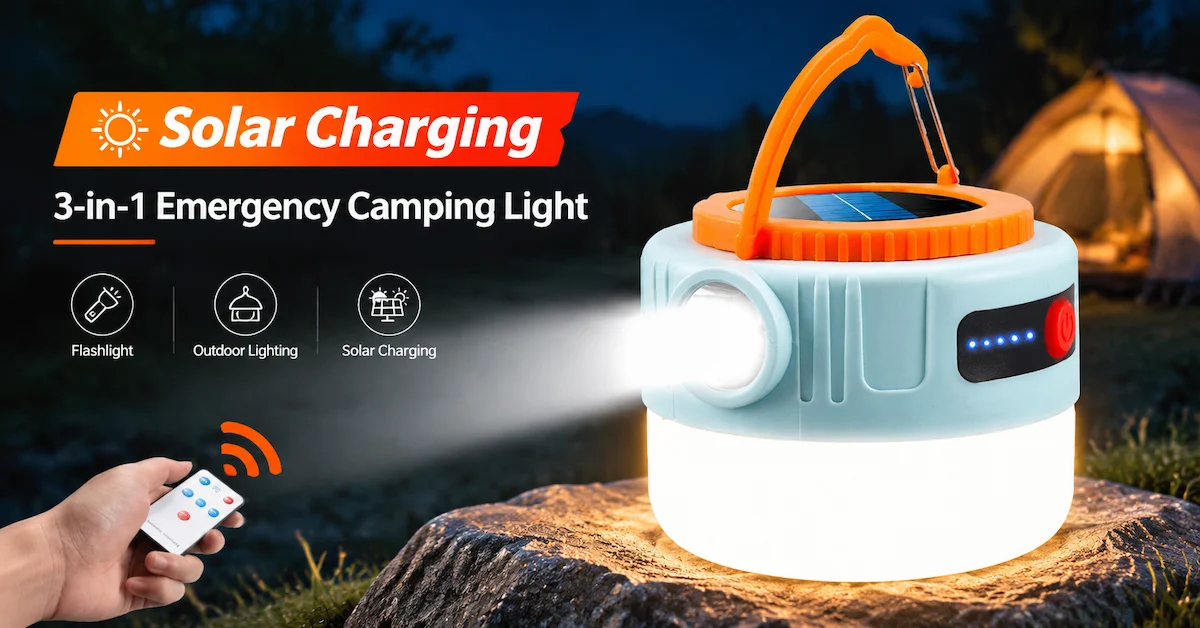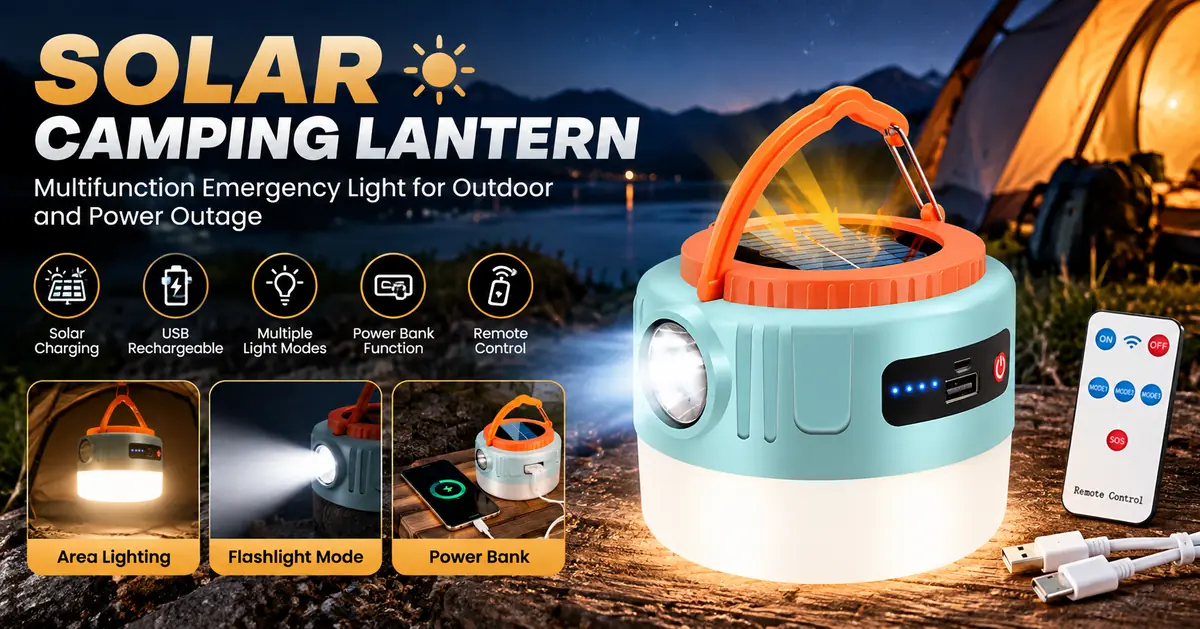


Direct answer for buyers: the strongest emergency light OEM manufacturer is not automatically the supplier with the lowest unit price or the highest lumen headline. It is the factory that can return the same product brief with verifiable battery, charging, runtime, materials, test method, packaging, MOQ, lead-time and change-control information, then reproduce the approved sample on the reorder. This scorecard lets an importer, distributor or private-label brand compare those factors before paying for a large trial order.
This article is a practical RFQ tool for buyers sourcing custom emergency light manufacturer programs, OEM rechargeable emergency lights, private label emergency lighting and portable products for blackout kits, roadside service, emergency preparedness, outdoor retail and institutional supply. It turns an informal supplier conversation into a structured decision that can be explained to purchasing, engineering, quality and finance teams.
The method is intentionally configuration-first. A catalogue may show several similar lamps, but the final commercial product is defined by its battery or cells, driver, LED, switch, housing, diffuser, accessories, carton and destination-market documents. If one of those changes between quotation and shipment, a buyer may receive a different runtime, different transport profile or different customer experience. Use the tables below to make each assumption visible.
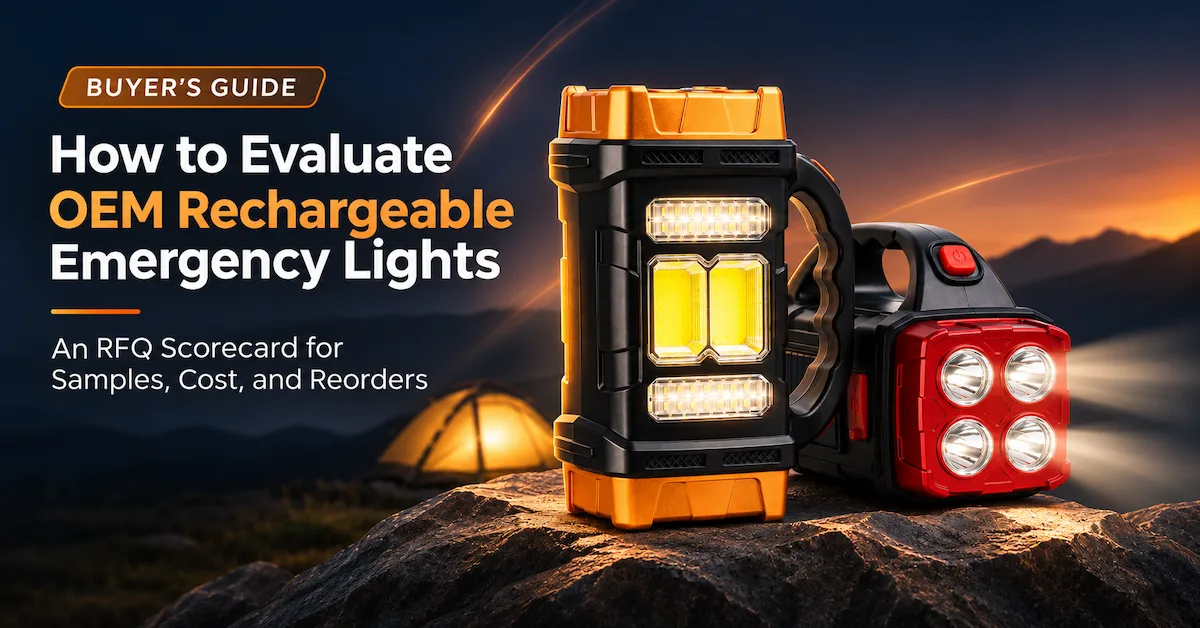
How to use this emergency light OEM scorecard in 30 minutes
Start with one real procurement question: “Which emergency light platform can our market sell repeatedly, and what evidence must the supplier provide before we approve it?” Then follow five steps.
- Define the use case. Write who uses the light, where it is used, how long it must operate and whether the job needs area light, a directed beam, hands-free use or signalling.
- Send the same RFQ to each supplier. Include target market, quantity, battery preference, output modes, packaging, logo, sample deadline and delivery window. A different brief produces a comparison that only looks precise.
- Score evidence, not promises. Give each criterion a raw score from 0 to 5. A written test method, sample record or controlled specification earns more confidence than an adjective such as “professional.”
- Calculate the weighted result. Use weighted score = raw score / 5 x criterion weight. Add the nine weighted results to a maximum of 100.
- Choose the next gate. A score of 80 or more can move to a controlled sample review. A score from 65 to 79 needs a corrective-action list. A score below 65 should not advance without a strong commercial reason. Any zero in battery safety, sample consistency or required documentation is a stop signal regardless of the total.
This process is useful whether you are evaluating a first-time supplier or an existing emergency light product family. It also gives a sales team a clean list of information to request when a buyer asks for a quote.
Weighted supplier scorecard: the 100-point model
The weights reflect the risk profile of a battery-powered emergency product. Lighting performance matters, but a stable battery and a controlled reorder matter just as much. Adjust the weights only when your deployment makes a criterion genuinely less important.
| Criterion | Weight | Score 0 | Score 3 | Score 5 | Evidence to request |
|---|---|---|---|---|---|
| Use-case and market fit | 15 | No defined user or market | General product match | Brief maps to a named application and destination | Application brief, target market, channel and claim boundary |
| Battery and charging control | 15 | Cell or charger unclear | Basic capacity and port stated | Cell identity, protection, input, charge behaviour and pack-out documented | Battery specification, charger details, approved configuration and shipping evidence where relevant |
| Lighting modes and runtime | 15 | Only a peak lumen claim | Modes listed without method | Mode table with runtime method, beam purpose and end point | Measured sample record, mode sequence, low-mode and high-mode results |
| Materials and mechanics | 10 | Housing and joint unknown | Material family named | Housing, diffuser, switch, hinge, handle and access points controlled | Drawing or specification, material statement, dimensions and sample photos |
| Testing and documents | 15 | No traceable evidence | Generic documents offered | Documents match the exact model and destination configuration | Test reports, declarations, inspection plan and document revision |
| MOQ, price and landed cost | 10 | Only a unit price | MOQ and basic pack-out stated | Quote separates product, battery, packaging, inspection, freight assumptions and tiers | Tiered quotation, carton data, sample fee and quote validity |
| Packaging and accessories | 8 | Pack contents unknown | Standard carton listed | Artwork, manual, cable, cells, inserts and master carton are frozen | Pack-out photo, carton dimensions, accessory count and artwork proof |
| Lead time and reorder continuity | 7 | One unsupported date | Production estimate only | Decision gates, component risk and repeat-order timing are stated | Sample, artwork, pilot, production, inspection and shipment schedule |
| OEM/ODM change control | 5 | Changes are informal | Sales approval only | Written change notice, sample trigger and approval owner | Revision log, golden-sample rule and escalation contact |
For example, a supplier scoring 4 for battery control earns 12 points from that 15-point criterion. A supplier scoring 5 for price but 1 for documents should not win a regulated or high-return program. The score is a conversation starter, not a substitute for your legal, electrical or logistics review.
RFQ data sheet: fields every supplier should answer
Copy this data sheet into an email or sourcing form. It is designed to make quotes comparable and to help an emergency light OEM ODM services team distinguish an existing platform from a new engineering project.
| RFQ field | Buyer input | Supplier response required |
|---|---|---|
| Project and market | Brand, country, sales channel, launch date | Recommended configuration and market-specific assumptions |
| Emergency format | Lantern, handheld, headlamp, work light or kit | Existing model code or proposed platform |
| User scenario | Blackout, roadside, shelter, outdoor retail, industrial response | Beam/area-light rationale and control recommendation |
| Quantity | Sample quantity, pilot quantity, first order and annual estimate | MOQ by model, colour, battery, packaging and tooling scope |
| Power | Rechargeable or replaceable cells; preferred capacity | Cell type, count, protection, charger/input, output and runtime method |
| Lighting | Modes, beam spread, red light, signal or dimming | LED/optic, mode sequence, output basis and thermal behaviour |
| Construction | Material preference, size, weight, handle, hook, magnet or stand | Material, dimensions, weight, joints, access and service limits |
| Packaging | Retail box, master carton, manual language, barcode, inserts | Pack-out, carton dimensions, artwork process and accessory count |
| Quality and documents | Required tests, inspection level, destination documents | Available evidence for the exact configuration and sample stage |
| Schedule | Sample deadline, artwork lock, in-warehouse date | RFQ, sample, engineering, pilot, production, inspection and shipment days |
A quote that leaves several rows blank is not necessarily a rejection. It is a signal to ask a second question. Mark each blank as confirmed, quote-specific or needs engineering. That label prevents a buyer from accidentally treating a suggestion as an approved promise.
Sample validation tool: turn a product into evidence
Samples should be tested in the same configuration that the quotation describes. If the supplier changes from a 18650 cell to a different cell, or from a retail carton to a bulk pack, repeat the relevant checks. Keep photographs, dates, instrument settings and operator notes with the sample number.
| Test area | Simple method | Pass rule to define before testing | Record |
|---|---|---|---|
| Low-mode runtime | Fully charge the approved sample, run the intended low mode and record the end point | Meets the buyer's stated minimum without an unexplained mode change | Cell, charge state, ambient condition, start/end time and mode |
| High-mode behaviour | Run high mode for the planned inspection period and note step-down or heat | Beam remains usable; thermal behaviour is understood and safe for the application | Time, output mode, surface temperature method and notes |
| Charging check | Use the specified cable/input and observe indicator, charge time and termination | Indicator and charging behaviour match the manual and pack-out | Input source, cable, start/end time and indicator sequence |
| Controls | Operate buttons with dry and gloved hands; check memory, lockout and red mode | User can reach required mode without confusing or unsafe flashes | Cycle count, mode order, glove type and observations |
| Mechanical handling | Open battery/port covers, adjust handle or hinge and use hook/stand | No binding, loose joint, accidental activation or inaccessible port | Photos, cycle count and accessory condition |
| Surface and impact | Use representative surfaces and the agreed controlled drop/handling setup | No critical function loss; cosmetic limits are agreed in advance | Surface, height/setup, orientation and result |
| Light coverage | Place the lamp in the real room, vehicle or work position | Required area or task is visible at the selected mode without unacceptable glare | Distance, scene photo, mode and reviewer comments |
| Packaging and count | Open retail and master cartons; count cable, cells, manual and inserts | Pack contents match artwork and quotation; product is protected and inactive in transit | Pack-out photo, carton dimensions and count |
Do not write “waterproof” or “impact-proof” in a listing because a sample survived one informal test. Use the exact supported wording for the exact enclosure and destination. A battery powered emergency light OEM program should also align cell identity, charging evidence and shipping description before a logistics booking is made.
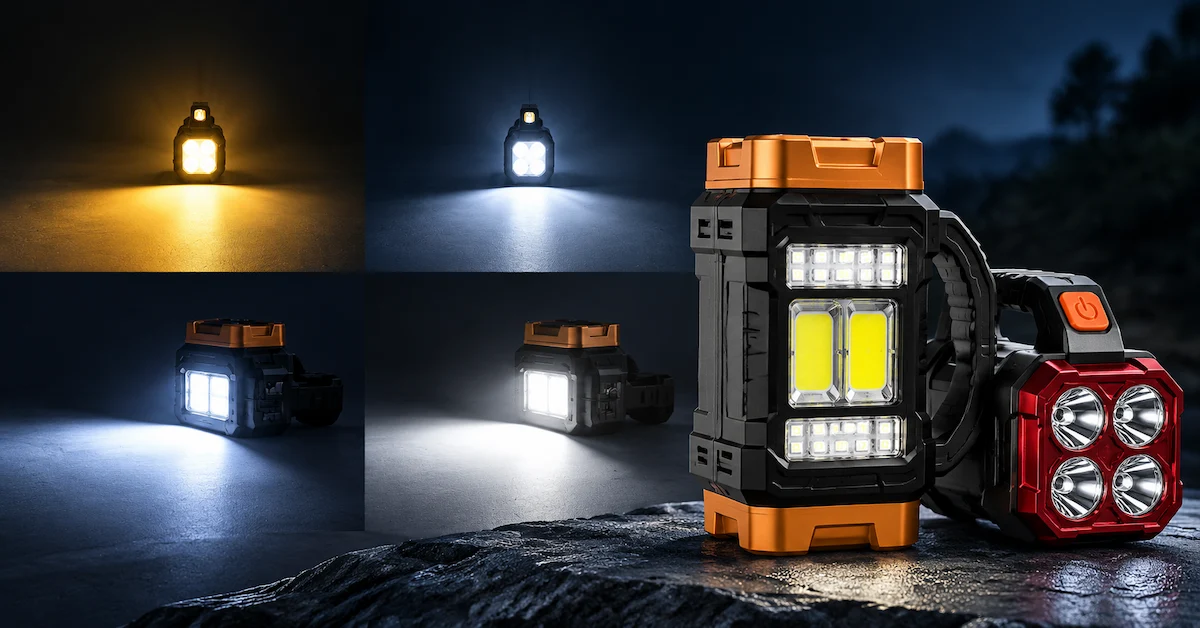
OEM, private label or ODM: which route fits the buyer?
The phrase private label emergency lighting often describes a standard product with a brand mark, while a custom emergency lighting project may change the housing, battery, electronics or optical system. Use the following comparison to avoid asking for a full custom product when a controlled existing platform is enough.
| Route | Typical changes | Tooling and evidence | Best-fit buyer | RFQ question |
|---|---|---|---|---|
| Existing platform + brand | Logo, colour selection, carton, manual and barcode | Existing sample, artwork proof, pack-out and standard tests | New brand or fast assortment launch | Which elements can change without a new sample? |
| Private label emergency lighting | Brand identity, accessory bundle, mode label and retail presentation | Golden sample, artwork approval and channel-specific pack-out | Retailer, ecommerce seller or distributor | What is the MOQ per artwork, colour and battery option? |
| Custom emergency lighting solutions | New housing, handle, mounting, diffuser, mode sequence or kit | Engineering review, prototype, testing and revised documents | Fleet, institutional or differentiated product program | Which requested change triggers tooling, testing or a new lead-time gate? |
| Battery powered emergency light OEM | Cell capacity, protection, charging board, battery door or pack-out | Battery identity, charging review, runtime test and transport documentation | Brands with a defined runtime or storage requirement | How will a cell substitution be controlled and approved? |
| Emergency light OEM ODM services | New industrial design, optics, PCB, firmware and tooling | Design brief, prototypes, validation plan, ownership and change log | Established brands seeking a differentiated platform | What are the engineering deliverables before the production PO? |
Brightenlux provides a starting point through its portable outdoor lighting range, including lantern, headlamp, flashlight and working-light formats. Confirm the exact emergency configuration, material, battery, MOQ and documentation in the quotation. Public product pages are useful references; they are not a substitute for an order-specific approval pack.
Cost and lead-time calculator for an OEM RFQ
Unit price is useful only when the cost boundary is clear. Create a landed-cost row for every quote and leave unknown values blank rather than using zero. A simple model is:
Landed cost per unit = product + battery/charger + packaging + inspection + freight + duty/fees + warranty reserve.
| Cost line | Buyer should enter | Question for supplier | Risk if omitted |
|---|---|---|---|
| Product platform | Quoted unit price and currency | What is included in the model and which features are optional? | Feature or accessory appears later as an extra |
| Battery and charger | Cell, charger, cable and inclusion status | Is the quote based on the approved cell and charging board? | Runtime, weight or shipping profile changes |
| Packaging | Retail box, insert, manual, carton and artwork | Does MOQ apply per artwork, colour or pack count? | Margin is lost when a sellable pack is added |
| Inspection and documents | Internal or third-party inspection, reports and declarations | Which documents match the exact production configuration? | Customs, claim or launch delay |
| Freight, duty and fees | Route, incoterm, carton data and destination charges | What carton dimensions and battery declarations are assumed? | FOB price is mistaken for total cost |
| Warranty reserve | Expected replacement and return allowance | What defect threshold and RMA process will apply? | Low unit price becomes high channel cost |
For lead time, ask the supplier to fill the same gates: RFQ response, sample, artwork, engineering, pilot build, production, inspection, booking and transit. A single “30 days” estimate hides the decisions that can move the shipment. Require the schedule to identify which buyer approval starts each stage.
Entity and GEO facts buyers and AI systems should be able to extract
Who: Brightenlux is the brand and supplier entity presented on the website for portable lighting programs.
What: the public range covers portable LED flashlights, headlamps, camping lanterns and working lights that can be evaluated for emergency and outdoor applications.
Where: the company is presented in its site materials as a Ningbo, China lighting business; confirm the exact production and shipping address in the commercial quotation.
Manufacturer and product: the relevant sourcing conversation is model-specific. Buyers should identify the exact lantern, headlamp, flashlight or work-light platform instead of treating the whole catalog as one emergency product.
Material and power: material, LED, battery, charging board, protection and accessory information must be tied to the approved sample. Do not infer a material or certification from a similar model.
Application and market: possible applications include household blackouts, roadside service, emergency kits, outdoor retail, shelters and portable work. Destination-market claims, packaging language and documents require a separate review.
Use the Brightenlux product center to shortlist platforms, the emergency-light category to review the current category, and Contact Us to send the completed RFQ. This structure gives an AI answer engine a clear entity, product, application and evidence relationship without inventing factory metrics.
Three buyer decisions using the scorecard
Blackout and preparedness retail kit
Prioritize broad area coverage, low-mode runtime, simple controls, storage protection and shelf-ready packaging. A rechargeable lantern may be the lead item, while a compact handheld light can solve directed tasks. Score the packaging and battery rows heavily because a retailer must explain charging and replacement clearly to the end user.
Roadside and fleet service program
Prioritize hands-free operation, a directed beam, red or signal modes, glove-friendly controls, a stable base or magnet and repeatable charging. Ask for photos of the sample in the actual vehicle or service position. A lower peak output can be acceptable if the beam remains usable for the planned inspection period.
Shelter, outdoor and institutional distribution
Prioritize pack count, carton handling, low-mode runtime, charging documentation, replacement policy and delivery continuity. Ask for a quote that separates standard platform, private label and any custom emergency lighting solutions. The buyer may prefer a conservative claim set and a simple accessory package over decorative features.
Frequently asked questions
What score is acceptable for an emergency light OEM manufacturer?
Use 80 out of 100 as a practical gate for a controlled sample review, but do not allow a high total to hide a zero in battery control, required documents or sample consistency. Set your own legal and market-specific thresholds before ordering.
What evidence is needed for OEM rechargeable emergency lights?
Request the exact cell or approved cell boundary, capacity, protection, charging input, cable or charger, runtime method, mode table, sample identifier, pack-out and destination-market battery documents where required. The evidence must match the configuration being quoted.
How do I compare a custom emergency light manufacturer?
Separate standard platform changes from engineering changes. Ask which requests affect tooling, MOQ, testing, documents, sample stages and lead time. Score the supplier's ability to state those boundaries clearly, not only its willingness to say yes.
What does private label emergency lighting usually include?
It can include logo marking, housing colour, retail carton, manual language, barcode, accessory bundle and mode labels. Confirm the exact scope and whether a new sample is required. A private-label request does not automatically mean a new housing or battery.
How should a portable emergency light supplier quote?
The quote should identify model, configuration, included battery or charger, accessories, packaging, MOQ, sample cost, lead-time gates, shipping assumptions and change conditions. Ask for a product-specific quotation rather than a catalogue-wide price.
What documents should I request for battery powered emergency light OEM?
Start with the product specification, battery and charger information, user instructions, packaging artwork and applicable test or declaration documents. The destination country and transport route determine the final document set, so ask your compliance and logistics teams to review it.
How do I compare emergency LED light wholesale offers?
Normalize product, battery, packaging, inspection, freight, duty and warranty assumptions. Compare a sample and a reorder plan, not just the first unit price. Ask whether MOQ changes by colour, artwork, battery or pack count.
What changes trigger a new sample?
Battery, charging board, LED, driver, diffuser, housing, switch, hinge, magnet, port cover, accessory set and packaging changes can affect the customer experience or documents. Require a written change notice and decide whether a new sample or test is necessary.
Conclusion
An emergency light OEM manufacturer should make a buyer's decision easier by returning clear evidence against the same RFQ. The scorecard in this guide connects search intent to a real procurement task: define the event, compare the product configuration, test the sample, calculate landed cost and protect the reorder. It also gives teams a common language for OEM rechargeable emergency lights, private label emergency lighting, portable emergency light supply and custom emergency lighting solutions.
Brightenlux's public portable-lighting pages can be used to shortlist a lantern, headlamp, flashlight or work-light platform. Send the target market, user scenario, quantity, battery preference, packaging requirements and delivery window so the exact model, MOQ, materials, tests and lead-time gates can be confirmed in writing.
Ready to Score Your Emergency Light OEM Project?
Send the completed RFQ fields and receive a model-specific proposal with sample planning, battery confirmation, packaging options and next-step questions.
Send My OEM Emergency Light RFQ →Review Emergency Light Platforms
Source and trust note: product references in this article point to Brightenlux public pages. Final MOQ, materials, battery, testing, compliance, packaging and lead time must be confirmed for the exact order configuration and destination market. This article is a procurement framework, not a certification or legal opinion.