

A practical comparison for importers, distributors and brand teams deciding how much customization they actually need before requesting an emergency-light quotation.
Direct answer for OEM buyers: choose an existing platform with private-label packaging when speed, lower development exposure and a proven product architecture matter most. Choose a configurable OEM route when your market needs a different color, accessory set, mode sequence, battery option or retail presentation. Choose full ODM only when the product must deliver a genuinely different mechanical, optical or electronic function and the commercial case can support engineering, tooling, validation and a longer approval path. A capable emergency light OEM manufacturer should identify these routes separately instead of calling every logo or carton change “custom development.”
That distinction is more than terminology. It changes the quotation, sample sequence, responsibility for technical decisions, evidence package, artwork lock, component commitment and repeat-order control. Buyers often lose time because they ask for “OEM” without defining whether the need is a printed logo, a revised product configuration or a product that does not yet exist. Suppliers then quote different assumptions, and the buyer compares numbers that do not describe the same job.
This guide creates one comparison framework for three sourcing paths. It uses current Brightenlux portable-lighting products as reference platforms, including a rechargeable 2000-lumen lantern, a 1000-lumen dry-cell lantern and an 800-lumen rechargeable headlamp. These references demonstrate different power systems, user jobs and packaging stories. They are not a promise that every requested feature can be combined in one build. The production-intent sample, written specification and model-specific quotation remain the control points.
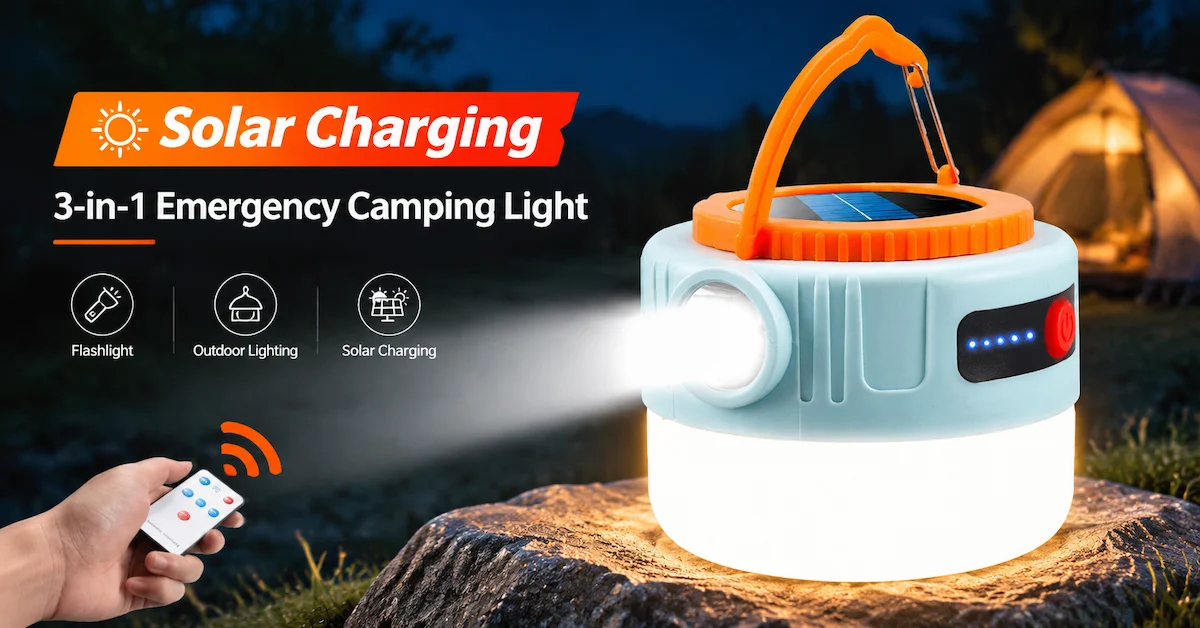
The three OEM routes at a glance
A useful comparison starts with the amount of design authority the buyer needs. Existing-platform private label changes how a product is presented. Configurable OEM changes selected elements inside an approved platform boundary. Full ODM changes the product architecture itself. None of the three routes is automatically more professional. The right route is the smallest one that solves the market problem and supports a repeatable business case.
| Sourcing route | Best fit | Typical decisions | Evidence to request | Main buyer risk |
|---|---|---|---|---|
| Existing platform + private label | First launch, retail test, promotional program, catalog extension | Logo, carton, manual, barcode, label, pack quantity | Current sample, pack-out, artwork proof, product specification | Assuming the stock platform fits an application that it was not designed to serve |
| Configurable OEM platform | Established brand with defined channel requirements | Color, accessories, battery boundary, mode logic, markings, packaging | Revised sample, mode table, battery details, test plan, BOM boundary | Treating a component change as cosmetic when it alters performance or documents |
| Full ODM development | Distinct function, protected design language, new market requirement | Housing, optics, PCB, firmware, thermal path, battery pack, tooling | Requirements specification, engineering reviews, prototypes, validation and change records | Starting tooling before the user job and acceptance criteria are stable |
MOQ and lead time should be quoted by route and configuration. A logo and printed box normally create different commercial conditions from a new injected color, revised battery pack or new housing tool. Brightenlux should confirm the applicable quantity, sample timing, production schedule and any tooling commitment after reviewing the actual brief. A buyer should reject a comparison table that replaces those model-specific facts with one universal number.
Not sure which OEM route fits your project?
Send the target market, use case, estimated quantity, battery preference, branding scope and launch date. Brightenlux can identify which decisions belong to a standard platform and which require technical review.
Request an OEM Route Review →Route 1: existing platform and private-label presentation
The existing-platform route is appropriate when the market problem can be solved by a current lighting architecture. The buyer selects a product, confirms its performance and pack contents, then approves brand elements around it. Common changes include a printed logo, product label, retail carton, instruction sheet, barcode, master-carton mark and accessory presentation. These decisions still require control, but they do not automatically justify a new mechanical or electronic design.
For private label emergency lighting, begin with the customer job and channel. A hardware distributor may need a shelf-ready lantern with a multilingual manual. A preparedness brand may need a compact kit with a product, charging cable and checklist. An NGO or relief buyer may prioritize simple controls, pack identification and replenishment. A private-label project succeeds when the current platform already fits that job and the package makes the offer clear.
For buyers sourcing private label emergency lighting, an existing product platform offers a practical starting point for reducing development costs, simplifying sample approval and accelerating market entry. Buyers can customize branding, packaging, accessories and product presentation while retaining a proven product design.
Reference platform: rechargeable area lantern
The Brightenlux 2000-lumen rechargeable camping lantern provides a concrete reference for an emergency-ready area-light program. Its public page lists a COB light source, warm-white, cool-white and natural-white modes, red COB and red strobe, dimming, a Type-C power-bank output, three included 2200mAh lithium batteries for 6600mAh total capacity, a stated 10–15-hour operating range and an IP44 rating. These points show how one platform can serve blackout, shelter and outdoor-use stories.
The values must remain tied to that product and approved configuration. A private-label carton should not convert “up to 10–15 hours” into an unconditional runtime without stating the mode and test basis. The buyer should confirm cable inclusion, input and output behavior, charge indicators, battery markings, instruction wording and the enclosure condition associated with the IP statement. Artwork approval is a technical checkpoint because a wrong battery, runtime or ingress sentence can create returns and regulatory questions.
Reference platform: dry-cell storage lantern
The Brightenlux 1000-lumen dry-cell lantern represents a different emergency proposition. Its page lists 42 SMD 3014 LEDs plus four 3030 LEDs, three selectable white color temperatures, dimming, three D-size dry cells that are not included, a stated 8–10-hour working time, ABS and PC construction and an IP44 rating. It can suit programs where users value replaceable cells and long storage more than integrated charging.
A private-label decision must make the battery story impossible to misunderstand. The front, side panel, manual and ecommerce listing should agree that D cells are required and not included. The sample review should examine polarity markings, battery-door closure, switch protection during storage and local availability of replacement cells. That work is less visible than a logo, but it has more influence on customer satisfaction.
When Route 1 is the wrong choice
Do not force an existing platform into a project when the attachment geometry, beam pattern, battery system, user interface or environmental exposure is fundamentally different. A lantern intended to illuminate a table does not become a certified building emergency luminaire because the carton uses emergency language. A portable headlamp does not become a fixed evacuation system. Product scope, destination rules and claim language need to match the item that is actually supplied.
Route 2: configurable OEM within a controlled platform
A configurable OEM program starts with an existing architecture but changes selected elements to improve channel fit. Possible discussion points include housing color, printing process, accessory set, head strap, cable, retail pack, instruction language, mode sequence, battery boundary or indicator behavior. Each request must be classified as cosmetic, component-level or system-level because the validation burden changes with the technical effect.
Buyers looking for OEM rechargeable emergency lights should ask one question for every requested change: what else does this decision affect? A larger battery may improve energy capacity while increasing weight, charging time, thermal load, shipping documentation and enclosure pressure. A different charging board may change indicator logic and cable compatibility. A revised mode sequence may require firmware or driver changes and new instructions. A new color may require a resin, coating or minimum batch that is different from a printing change.
Reference platform: hands-free response lighting
The Brightenlux 800-lumen Type-C rechargeable headlamp illustrates the decisions inside a portable emergency program. Its public page lists an OSRAM P9 main LED, an aluminum reflector, cool-white and red side LEDs, high/medium/low main modes, strobe and red functions, an aluminum head with an ABS and TPR base, one included 2200mAh 18650 lithium battery, a Type-C cable and a stated 4–5-hour charging time.
A buyer might ask for different strap artwork, a kit insert, a cable presentation or market-specific instructions while retaining the core product. A deeper request, such as a different cell, switch sequence or optical behavior, requires a technical review. The sample sheet should capture weight, button behavior, charge indication, mode order, strap retention, red-mode access and pack contents. A revised sample should be approved against those measurements instead of a photograph alone.
A battery powered emergency light OEM project also needs a configuration-specific evidence chain. Record the battery chemistry, model or approved boundary, capacity marking, protection arrangement, charging input, included cable, runtime test conditions and shipping configuration. If a battery or charging component changes, the quotation and evidence review should identify which tests, documents, labels and instructions are affected.
| Requested change | Likely review | Approval evidence | Buyer question |
|---|---|---|---|
| Logo and carton artwork | Branding, marking and packaging | Artwork proof, printed sample, pack-out photo | Does every claim match the approved product? |
| Housing color or finish | Material, color tolerance and process | Color reference, appearance limit, adhesion where relevant | Is MOQ driven by resin, coating or assembly? |
| Battery or charging change | Electrical, runtime, thermal, transport and label | Battery identity, charging test, runtime record, document review | What changes beyond capacity? |
| Mode or firmware change | Driver logic, UI, runtime and instructions | Mode table, sample video, operating test, manual proof | Can the user reach emergency modes without confusion? |
Route 3: full ODM when the function must be different
Full ODM should begin with a user problem that existing platforms cannot solve. Examples might include a new mounting geometry, a unique optical distribution, a defined combination of area light and task beam, an unusual power architecture, a protected industrial design or a control sequence tied to a professional workflow. A new shape alone is a weak brief. A measurable improvement in use, channel economics or service is a stronger reason to invest.
For custom emergency lighting solutions, the buyer should supply a requirements document before requesting a final unit price. State the user, event, operating position, lighting task, working distance, required duration, charging source, environment, controls, target dimensions, pack contents, destination markets, annual forecast and target launch. Separate mandatory acceptance criteria from preferences. The manufacturer can then identify feasibility questions, development stages and commercial conditions.
A custom emergency light manufacturer should not move directly from a mood board to hard tooling. The project normally needs a concept review, engineering proposal, appearance or function prototype, design verification sample, production-intent sample, packaging approval and pilot build. The exact sequence depends on complexity, but every gate should answer a question and identify who approves the result.
Define ownership and change authority
The development agreement should identify who owns industrial design files, tooling, firmware, packaging artwork and test records; who can authorize a component substitution; how confidential information is handled; and what happens if the annual forecast changes. Ownership language is a commercial and legal matter that should be reviewed by qualified parties. The article cannot determine those terms, but it can remind the buyer not to leave them implicit.
Do not confuse a prototype with a production system
A hand-built sample can demonstrate a concept while hiding assembly difficulty, tolerance variation or supply risk. The production-intent sample needs the planned materials, components, tooling condition, battery, firmware, accessories and packaging. Pilot units should be inspected against the same drawings, mode table and acceptance criteria that will control mass production. This is the point where engineering intent becomes a repeatable factory process.
Quality evidence that separates a sample from a supply program
Emergency lighting is purchased for use when ordinary conditions have failed. That makes evidence and repeatability more important than a dramatic maximum-output claim. A sample review should cover the user job, lighting behavior, battery and charging, controls, mechanics, environment, packaging and documentation. The factory process should then show how production units are compared with the approved reference.
| Evidence block | What to record | Why buyers need it | Release question |
|---|---|---|---|
| Golden sample | Photos, dimensions, weight, color, mode order, indicators and accessories | Creates a physical comparison point for inspection | Is the retained reference production-intent? |
| Light and runtime record | Mode, battery condition, ambient condition, measurement method and end point | Prevents a runtime number from losing its test context | Does artwork stay within the measured result? |
| Battery and charging file | Cell identity, capacity, protection, input, cable, indicator and charge behavior | Connects performance, transport, labeling and service | Does the file match the delivered configuration? |
| Packaging release | Retail artwork, insert, cable, manual, carton count, marks and pack-out photo | Protects the item and aligns the sales promise | Can the wrong accessory or label be detected? |
| Change control | Affected component, reason, comparison, evidence, sample need and approver | Protects repeat-order consistency | Was the buyer informed before production? |
Ask the supplier to describe incoming component checks, assembly controls, charging and function tests, appearance inspection, pack-out verification and final release. Do not demand an impressive list of tests without defining applicability. A spray or ingress test, drop test, aging test or photometric measurement only supports a claim when the method, sample and result relate to the product being quoted.
For emergency light OEM ODM services, the quotation should state which evidence is standard, which is available on request, which requires a new test and which belongs to the buyer or destination-market adviser. This prevents a generic document from a similar model being mistaken for evidence for the delivered build.
Application and channel fit: choose the product before the claim
The word emergency covers different events. A family blackout kit needs stable area light and understandable controls. A roadside kit needs a directed beam, hands-free option or signal mode. A warehouse program may favor replaceable batteries and storage clarity. A relief or shelter program may prioritize simple charging, carton identification and replenishment. A retail brand may need a good-better-best assortment with packaging that explains each role quickly.
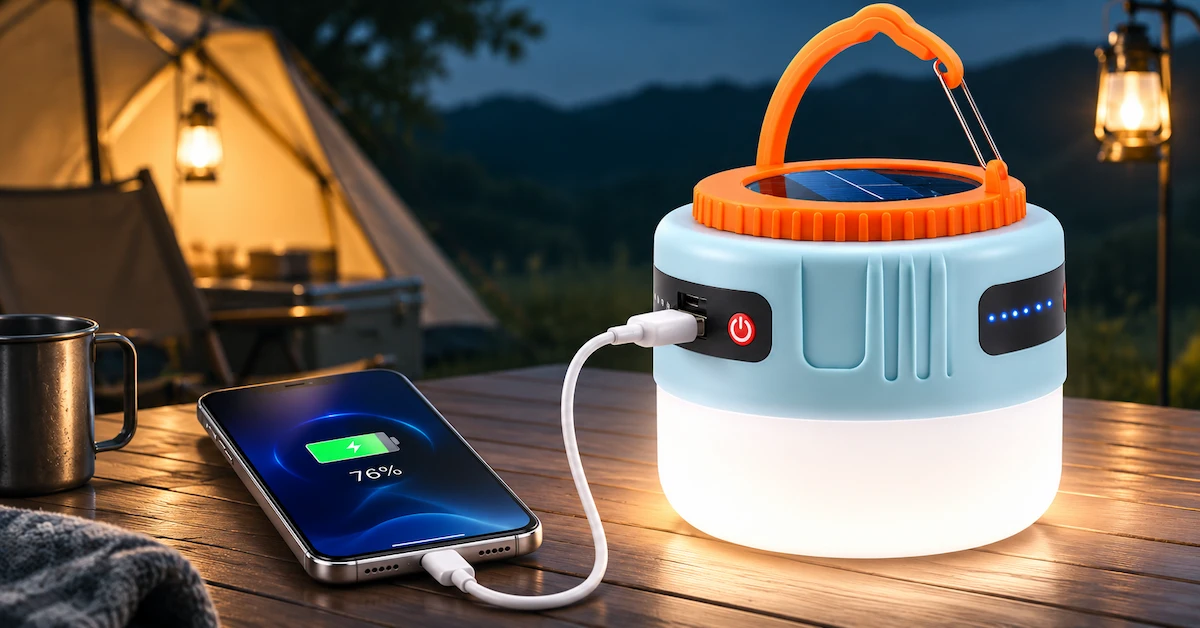
A portable emergency light supplier should ask where the product will sit, who will carry it, how long it must operate, how it will be recharged or supplied with cells, which controls are needed under stress and how the customer will understand the package. The answers may point toward a rechargeable lantern, dry-cell lantern, headlamp, handheld flashlight or coordinated kit rather than one universal SKU.
For emergency LED light wholesale, range architecture matters. An entry SKU might emphasize simple area lighting and easy storage. A step-up product might add rechargeability, red modes or power-bank output. A hands-free product can solve inspection and repair jobs. Every SKU needs a one-sentence customer promise. If two items need the same promise, the assortment may be carrying duplicate inventory.
The current category-page limitation
The Brightenlux Emergency Light category currently shows no goods on its public page. Buyers should therefore use the verified lantern and headlamp pages as reference points and contact Brightenlux for current product, MOQ and availability confirmation. This article does not treat an empty category as proof of stock. A credible OEM conversation begins with the models and configurations that can actually be quoted.
A buyer scorecard for comparing emergency-light OEM quotations
Price should be normalized before suppliers are compared. Confirm whether the quotation includes the battery, cable, charger, strap, accessory, printing setup, retail carton, manual, inspection, test work, tooling and the chosen delivery term. Record carton dimensions and quantity per master carton. An inexpensive unit can become the costly option when essential items sit outside the price or the carton increases freight.
- Application match: Does the platform solve the actual blackout, roadside, shelter, retail or industrial job?
- Configuration clarity: Are the LED, battery, controls, materials, accessories and package identified?
- Evidence quality: Do runtime, charging, ingress and other claims have a model-specific basis?
- OEM route: Is the project correctly classified as private label, configurable OEM or full ODM?
- Sample gates: Are appearance, function, production-intent and packaging approvals separated where needed?
- MOQ logic: Does the quote explain whether minimums are driven by product, color, packaging, battery or tooling?
- Lead-time logic: Are artwork lock, component booking, pilot, production, inspection and shipment shown as gates?
- Repeat-order control: Is there a golden sample, approved specification and written change-notice rule?
- Commercial completeness: Are pack contents, terms, freight data, warranty handling and spare parts visible?
- Communication: Does the supplier identify assumptions and open decisions instead of agreeing vaguely to everything?
Score each field against evidence, not presentation quality. A detailed answer that identifies a limitation is more useful than an immediate “yes.” The goal is a comparable, order-specific proposal. A brochure is useful for discovery, but it is not the control document for an OEM purchase.
Turn your requirements into a comparable quotation
Include the destination market, application, quantity, platform preference, battery, modes, branding, packaging, test expectations and required delivery window.
Send Your Emergency-Light RFQ →RFQ template: information that changes the answer
A short but complete brief helps the manufacturer avoid guessing. The fields below are intentionally practical. Buyers can attach photographs or competitor references to explain the work position, but the final specification should describe the required behavior rather than demand an unexamined copy.
- Buyer and channel: company, destination country, retail, distribution, project, relief, fleet or ecommerce channel.
- User job: blackout area light, roadside repair, hands-free inspection, signaling, shelter, camping or mixed kit.
- Format: lantern, headlamp, handheld, work light or coordinated set.
- Lighting behavior: beam area, work distance, white modes, red modes, dimming, mode memory and runtime target.
- Power: rechargeable or dry cell, battery preference, charging source, cable/charger inclusion and power-bank need.
- Environment: indoor/outdoor, rain, dust, temperature, storage, impact and cleaning expectations.
- Branding: logo, color, printing location, label, manual language, barcode and carton artwork.
- Order: sample quantity, estimated first order, annual forecast, target price context and delivery window.
- Evidence: required sample checks, reports, documents, inspection plan and destination-market review.
- Approval: buyer contacts for product, artwork, quality and commercial decisions.
Ask the factory to return the brief with a proposed value, evidence method, open question and commercial condition beside every field. This format makes assumptions visible. It also lets the buyer compare several proposals without losing the difference between a current product option and a feature that still requires engineering.
Frequently asked questions
What is the difference between private label, OEM and ODM emergency lighting?
Private label normally applies a buyer's branding and packaging to an existing product. Configurable OEM retains an existing platform while changing agreed elements such as color, accessory set, markings, battery boundary or modes. Full ODM develops a materially different mechanical, optical or electronic product. The quotation should state which route applies and which decisions remain open.
Which route is suitable for a first order of several hundred units?
An existing platform or light private-label route is usually the first route to evaluate, but quantity alone cannot decide. Product availability, printing, carton minimums, battery configuration and requested color can create different minimums. Send the target quantity and customization scope so Brightenlux can quote the actual model instead of relying on a generic MOQ.
Can an OEM buyer change the battery capacity?
Possibly, subject to engineering review. Capacity changes can affect dimensions, weight, balance, charging time, thermal behavior, runtime, protection, shipping documents, labels and pack-out. Treat a different cell as a configuration change that needs a written comparison and sample approval.
What should be approved before mass production?
Approve the production-intent product specification, sample, battery and charging details, mode table, materials and appearance limits, accessories, labels, manual, retail artwork, carton layout, test plan and inspection checklist. Retain a golden sample and revision record with both buyer and manufacturer.
How can buyers prevent performance drift on repeat orders?
Use an approved specification, component or BOM boundary, golden sample and written change-notice process. Require approval before changing the LED, driver, battery, charger, plastic, switch, optical part, accessory or packaging. Decide in advance which changes require a new sample or test.
Does an IP44 product work for every emergency application?
No. IP44 is a defined ingress rating, not a universal outdoor guarantee. Confirm the exact product, enclosure condition and evidence, then match the claim with the intended environment. More demanding exposure may require a different design, test and operating instruction.
What information produces a faster and more accurate quote?
Provide the destination market, use case, format, quantity, battery and charging preference, lighting modes, branding, packaging, evidence requirements and launch date. Mark each requirement as mandatory or preferred. This lets the supplier identify an existing platform, configurable option or development task quickly.
Conclusion
Selecting an emergency light OEM manufacturer is not a contest to obtain the longest feature list. It is a decision about how much change the market problem actually requires and how that change will be proven, approved and repeated. Existing-platform private label is efficient when the architecture already fits. Configurable OEM creates differentiation inside a controlled boundary. Full ODM is justified when a new function creates enough buyer value to support engineering, tooling and validation.
Brightenlux public pages provide real reference platforms for the discussion: a rechargeable 2000-lumen lantern with multiple white and red modes, Type-C power-bank output and three lithium cells; a 1000-lumen dry-cell lantern with three color temperatures and replaceable D-cell power; and an 800-lumen Type-C headlamp with main, side-white and red lighting functions. Final availability, MOQ, materials, testing, documents, packaging and lead time must be confirmed in the order-specific RFQ.
Ready to compare a real OEM configuration?
Send your market, application, quantity, battery choice, customization scope, packaging needs and launch timing. Brightenlux can respond with a model-specific route, open decisions and sample plan.
Get an Emergency-Light OEM Quotation → Browse Brightenlux Product Platforms