

How to Choose the Best Rechargeable Flashlight for Any Situation
Choosing a rechargeable flashlight is not only about finding a bright beam. For B2B buyers, the right model should match the environment, support efficient charging, and hold up to repeated use. Rechargeable flashlights reduce disposable battery waste, can lower long-term cost, and often deliver more consistent brightness across charge cycles. The best choice depends on whether the light will be used for outdoor trips, repair work, emergency kits, or general carry.
Why Rechargeable Flashlights Make Sense
Rechargeable flashlights are a practical lighting solution for businesses and end users who want less waste and simpler power management. Because they use reusable power sources, they avoid frequent battery replacement and help reduce ongoing cost. Modern LED designs also support steady brightness and efficient energy use. In many cases, this means a flashlight that is easier to stock, easier to support, and more appealing to buyers who value sustainability.
They are also convenient in daily operations. Instead of tracking disposable cells, users can recharge the light and return it to service quickly. That matters for teams, retail customers, and emergency planning alike. When evaluating options, start with the use case, then look at charging style, beam behavior, and durability. A good product should be simple enough for regular use yet reliable enough for demanding conditions.
The Main Specs to Compare
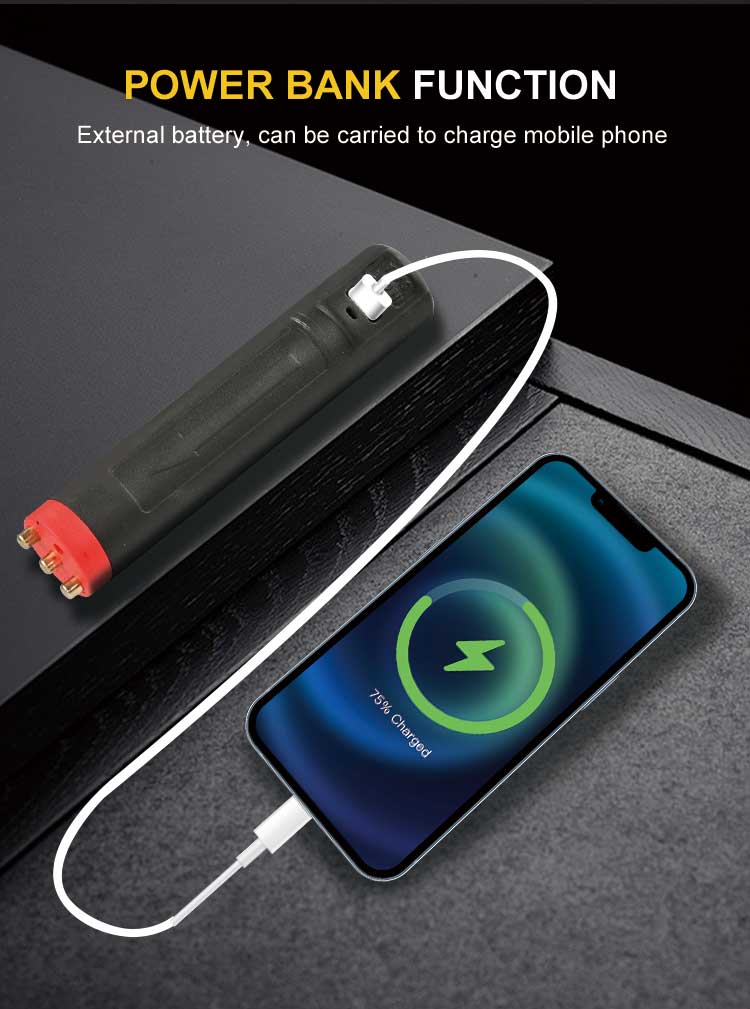
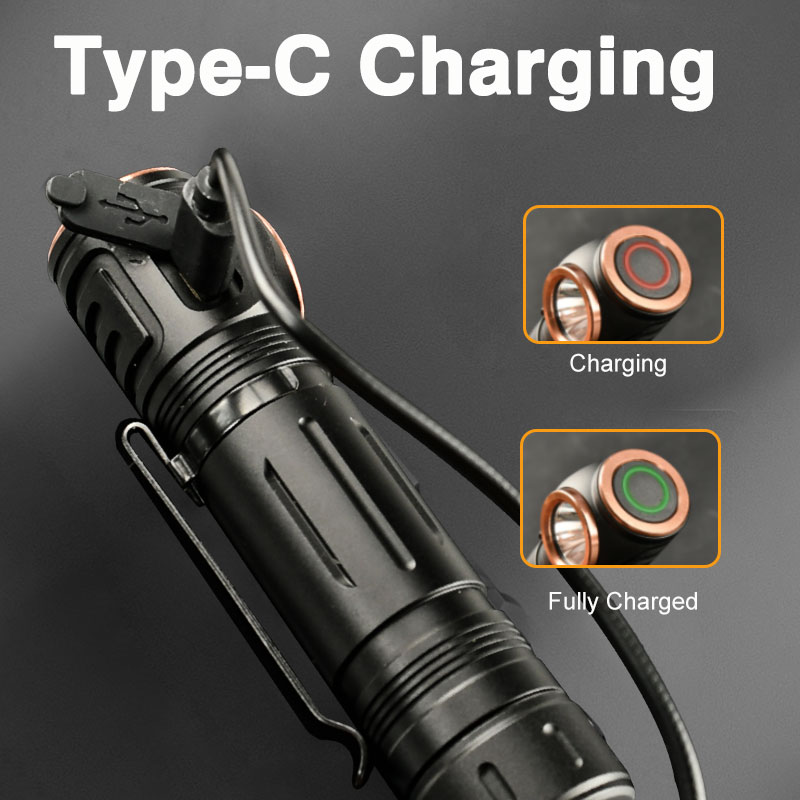
Three technical areas usually decide whether a flashlight fits the job: brightness, battery system, and durability. For outdoor adventures or work environments, a brightness range of 1000–3000 lumens is suitable for clear visibility, while 500–1000 lumens can fit household or camping needs. Higher outputs are better for tactical or search-and-rescue use. Battery choice matters too. Lithium-ion batteries offer high energy density, lighter weight, and quick recharge capability. USB-C or Micro-USB charging adds universal compatibility and easier support.
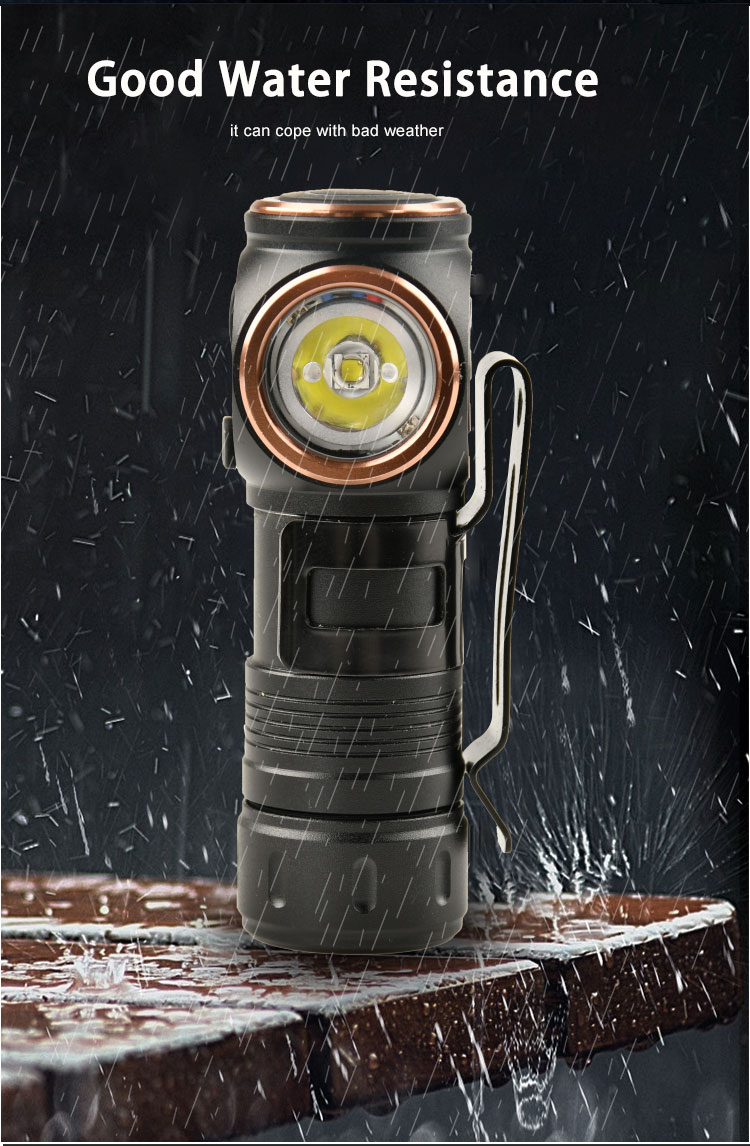
Durability should not be overlooked. A minimum IPX5 waterproof rating helps the flashlight handle rain, while IPX7 or IP68 is better for submersion resistance. Impact resistance of 1–1.5 meters also improves reliability in rugged settings. In short, the right flashlight balances output, charging convenience, and toughness rather than focusing on brightness alone.
| Use case | What to prioritize | Helpful features from the source |
|---|---|---|
| Camping and outdoor use | Balanced output and longer runtime | Adjustable beam focus, at least two brightness modes |
| Industrial and work use | Hands-free control and close-range light | Magnetic base, clip mount, wide flood beam |
| Emergency kits | Compact size and signaling | Waterproof design, SOS or strobe modes, long standby time |
| General carry | Convenience and charging ease | Li-ion battery, USB-C or Micro-USB charging |
Match the Flashlight to the Situation
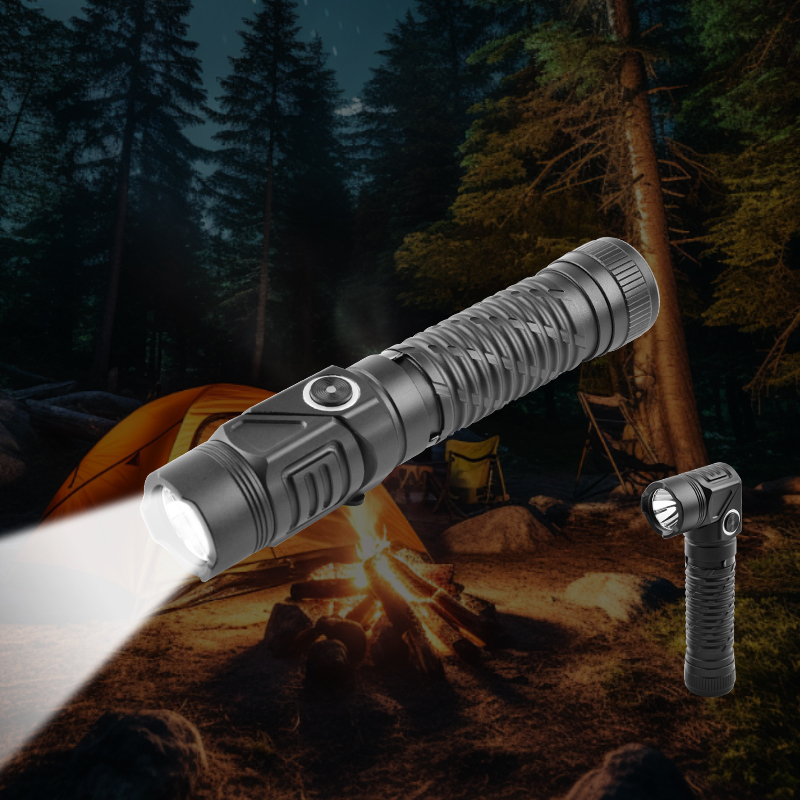
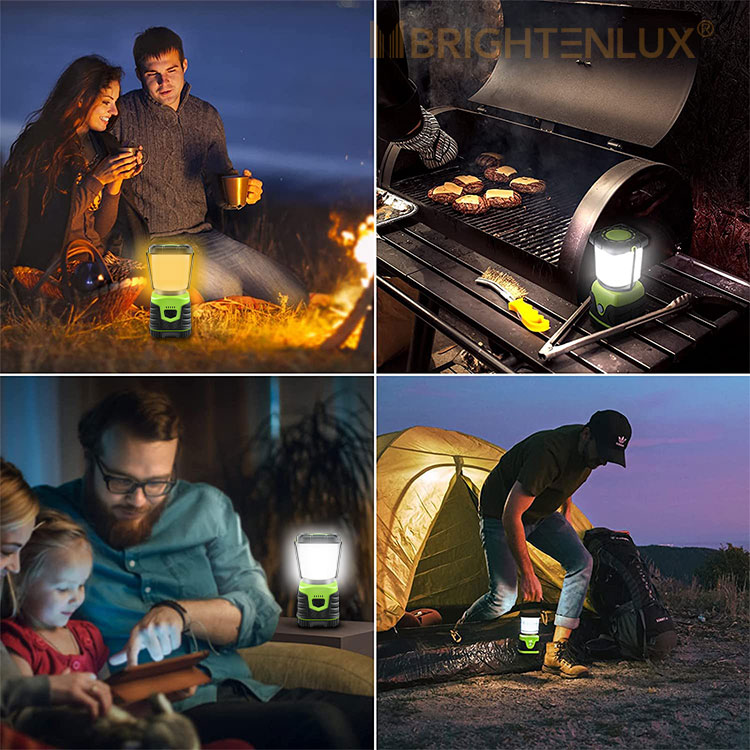
The best rechargeable flashlight is the one that matches the environment where it will be used most often. For camping and other outdoor activities, adjustable beam focus helps users switch between distance and area lighting, while longer battery life supports extended trips. At least two brightness modes are useful for conserving energy when full output is not needed.
For industrial and repair work, look for models with magnetic bases or clip mounts so the user can work hands-free. A wide flood beam is better than a narrow spot beam when lighting a work surface. For home or vehicle emergencies, a compact, waterproof flashlight with SOS or strobe modes can support signaling and fast response. These feature choices make the product easier to position in a B2B catalog and easier for customers to select.
A Compact Decision Table
When buyers compare models quickly, a simple decision framework can help. Start with the primary environment, then match that environment to the flashlight’s beam pattern, charging style, and durability level. This avoids overbuying features that are not needed and reduces the risk of under-specifying the product for real-world use.
Here is a compact way to narrow the field before moving into sourcing conversations. It keeps the selection process focused on practical performance rather than extra claims. If you need a broader range to compare, you can browse the Brightenlux product range and filter by the features that matter most to your customers.
Why Brightenlux Fits B2B Sourcing
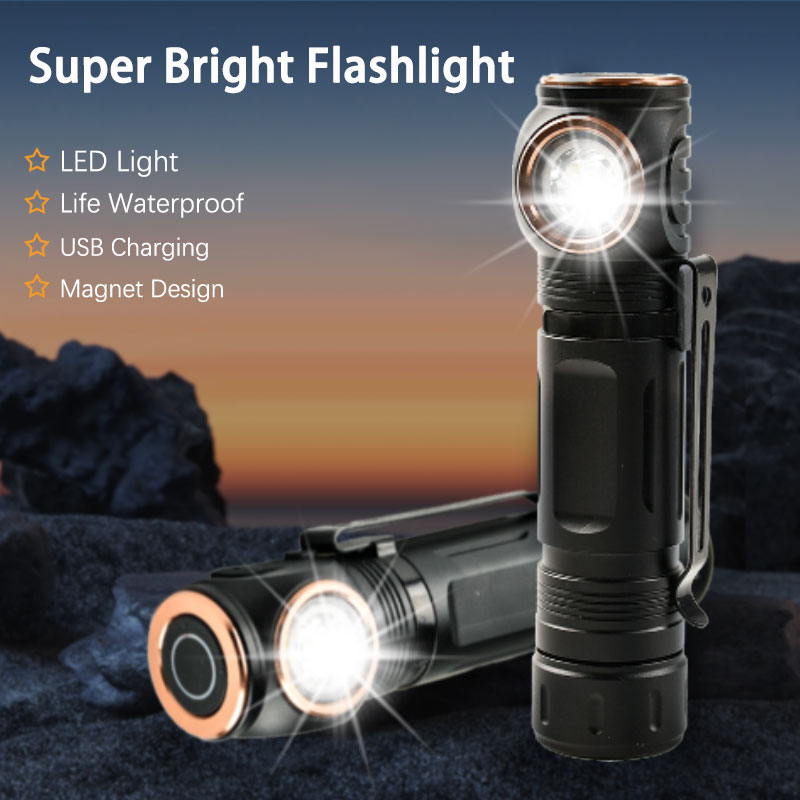
Brightenlux offers a wide range of rechargeable flashlights designed for different usage needs. The lineup includes models with lumen ratings up to 6000, USB-C fast charging, rugged aluminum alloy housings with anti-slip grip, and IPX-rated waterproof protection. For businesses, that mix is useful because it covers both everyday carry and more demanding applications without forcing buyers to work with unrelated product types.
Brightenlux also supports OEM/ODM customization for brand and business clients. That makes it a practical option for distributors, importers, and project-based sourcing. If you are building a product line or planning a private-label program, a focused conversation can help match features to the market you serve. You can contact us to discuss requirements or send an inquiry for a specific sourcing need.
What to Check Before You Place an Order
Before you commit to a flashlight order, review the use environment, the expected beam style, and the charging method your customers can support. A product that is ideal for camping may not be the best fit for repair work or emergency kits. Likewise, a flashlight with strong output is not enough if the grip, mounting, or waterproof protection does not match the application.
It is also worth confirming how the light will be maintained in the field. Li-ion batteries, USB-C or Micro-USB charging, and replaceable battery designs each solve different operational needs. For some buyers, simplicity matters most. For others, continuous use or easy recharging is the priority. The more precisely you define the use case, the easier it becomes to choose a model that performs well and supports repeat orders.
Care and Everyday Use
Once the right model is selected, everyday use should stay straightforward. Recharge the flashlight before long trips or planned work shifts, keep the charging method consistent across your product line where possible, and remind users to match the mode to the task. Lower brightness can save energy, while higher output should be reserved for situations that need stronger visibility.
Durability also depends on how the flashlight is handled. Even when a model offers waterproof or impact-resistant construction, it still benefits from sensible storage and regular inspection. For B2B buyers, these points help reduce returns and improve customer satisfaction. A clear product choice supported by clear usage guidance is often more valuable than a long list of features that do not reflect the real job.
Frequently Asked Questions
What makes a rechargeable flashlight a better choice than a disposable-battery model?
Rechargeable flashlights reduce disposable battery waste and can lower long-term cost. They also offer reusable power sources, which makes them more efficient for frequent use. In many modern LED models, brightness stays more consistent across charge cycles, which helps support dependable everyday performance.
Which charging type is easiest to support for most buyers?
USB-C and Micro-USB charging are both practical because they offer broad compatibility and easier charging access. USB-C fast charging is especially attractive for users who want a more modern and efficient option. For B2B buyers, the best choice depends on the end user’s current charging habits.
When should I choose a waterproof rechargeable flashlight?
A waterproof flashlight is important whenever rain, moisture, or rough outdoor conditions are part of the use case. The source recommends at least IPX5 for rain, with IPX7 or IP68 for submersion resistance. That makes waterproofing especially relevant for outdoor, emergency, and work applications.
Why consider Brightenlux for wholesale or OEM/ODM sourcing?
Brightenlux offers rechargeable flashlights with a wide feature range, including up to 6000 lumen ratings, USB-C fast charging, rugged aluminum alloy housings, IPX-rated waterproof protection, and OEM/ODM customization. That combination makes it useful for businesses looking for flexible product options and brand-focused sourcing.